

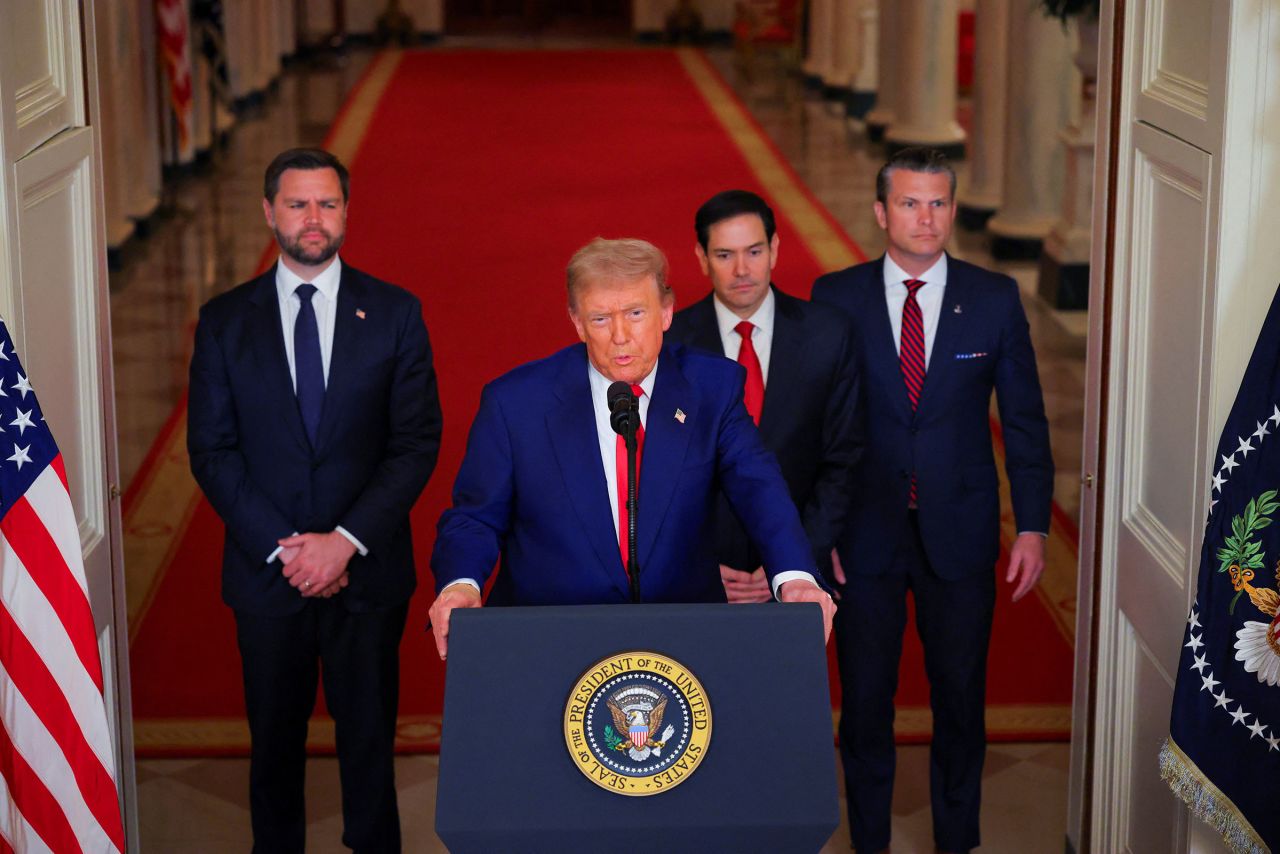
In the wake of escalating global conflicts, questions often arise about the U.S. President’s authority to declare war. While the President serves as Commander-in-Chief of the armed forces, the U.S. Constitution and the War Powers Resolution of 1973 limit unilateral military action. So, can the President really declare war without Congress?
🏛️ What the U.S. Constitution Says
According to Article I, Section 8 of the Constitution, only Congress has the power to declare war. However, Article II, Section 2 names the President as Commander-in-Chief, giving the Executive power to direct military forces.
This duality often leads to tension between the Legislative and Executive branches, especially during rapid-response conflicts or foreign interventions.
📜 What Is the War Powers Act (1973)?
The War Powers Resolution of 1973 (commonly known as the War Powers Act) was passed by Congress to reassert its constitutional authority after the prolonged Vietnam War. Key provisions include:
48-Hour Notification Rule: The President must notify Congress within 48 hours of deploying armed forces.
60-Day Limit: Without Congressional approval, military engagement must cease after 60 days (with an extra 30 days for safe withdrawal).
Congressional Oversight: Congress can demand the withdrawal of forces with a simple majority vote.
Despite its intention, the Act is often contested and has never been fully enforced by the courts.
⚔️ Real-World Examples of Unilateral Action
Presidents have historically engaged in military operations without formal war declarations, including:
Korean War (1950) – President Truman called it a "police action".
Vietnam War – Expanded without an official declaration.
Libya Airstrikes (2011) – President Obama acted under NATO commitments.
Soleimani Strike (2020) – Trump ordered the killing of an Iranian general without Congressional pre-approval.
These examples highlight the broad interpretation of executive authority, often justified as necessary to protect national interests or respond swiftly to threats.
⚖️ Legal Debate and Controversy
The War Powers Act remains legally ambiguous:
Presidents view it as unconstitutional, citing limitations on the Commander-in-Chief.
Congress insists it’s essential for democratic accountability.
Courts rarely intervene, leaving the issue unresolved.
🔍 Conclusion
While the President can initiate limited military action, a formal declaration of war still requires Congressional approval. The War Powers Act serves as a constitutional check—but its effectiveness depends largely on political will and public scrutiny.
❓ FAQs
Q1. Can the U.S. President declare war?
No. Only Congress can declare war. The President may deploy forces, but not formally declare war alone.
Q2. What is the War Powers Act?
It’s a 1973 law requiring the President to notify Congress within 48 hours of deploying troops and limits combat engagement to 60 days without approval.
Q3. Has any President ignored the War Powers Act?
Yes, many Presidents—including Obama, Bush, and Trump—have bypassed or questioned the Act’s authority in practice.
Q4. Can Congress stop military action?
Yes. Congress can pass a resolution requiring the withdrawal of forces, although enforcement depends on political consensus.
Q5. Why is the War Powers Act controversial?
It creates a gray area between the Executive’s need for rapid response and Congress’s constitutional authority, leading to frequent political conflict.
published on 23rd june
Publisher : SMITA
www.vizzve.com || www.vizzveservices.com
Follow us on social media: Facebook || Linkedin || Instagram
🛡 Powered by Vizzve Financial
RBI-Registered Loan Partner | 10 Lakh+ Customers | ₹600 Cr+ Disbursed