

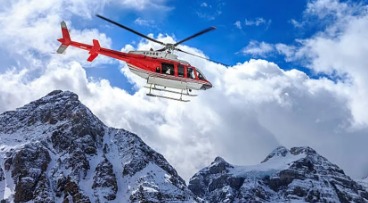
In a heartbreaking revelation from the ongoing investigation, the pilot’s last recorded words before the fatal Kedarnath helicopter crash were:
“Cannot see anything.”
The tragic incident, reported by the Press Trust of India (PTI), involved a chopper transporting pilgrims in the treacherous Himalayan terrain—an area notorious for sudden fog, low visibility, and unpredictable weather patterns.
The crash has once again raised concerns over aviation safety in high-altitude pilgrimage sectors where hundreds of sorties take place during peak seasons.
How the Tragedy Unfolded
According to initial probe details, the helicopter was en route from Kedarnath when it encountered dense fog shortly after takeoff. Visibility dropped sharply, and within moments, the pilot reportedly radioed the chilling message indicating disorientation and obscured surroundings.
Seconds later, communication was lost.
The helicopter is believed to have collided with mountainous terrain due to:
Sudden whiteout conditions
Limited altitude margin
Lack of visual reference
Challenging topography
Emergency teams rushed to the site, but the chopper was found destroyed, with no survivors.
Weather: The Critical Factor
High-altitude aviation in Uttarakhand is heavily dependent on clear visibility. Even brief shifts in mountain weather can cause:
Fog blankets
Cloud wall formation
Sudden downdrafts
Icing in extreme cases
Experts note that the region around Kedarnath is especially dangerous due to narrow valleys and the proximity of cliffs.
Pilot’s Last Communication
Investigators confirmed that just before the crash, the pilot transmitted:
“Cannot see anything.”
This final message is consistent with loss of situational awareness, a key trigger for Controlled Flight Into Terrain (CFIT)—a common cause of accidents in mountainous regions.
The crew had no time for corrective manoeuvres.
Investigations Underway
Authorities from aviation safety, DGCA, and state officials are conducting:
Flight path analysis
Black box (FDR/CVR) examination
Weather data reconstruction
Review of pilot duty hours and experience
Inspection of chopper maintenance logs
Preliminary findings strongly indicate fog-induced disorientation rather than mechanical failure.
Why Kedarnath Flights Are High-Risk
1. Rapid Weather Changes
Conditions can shift from clear to zero-visibility within minutes.
2. Tight Operating Windows
Pilgrimage season demands multiple back-to-back sorties.
3. Mountain Landscape
Sharp ridges and unstable air currents make navigation difficult.
4. High Workload for Pilots
Pilots must rely heavily on visual cues for safe landing and takeoff.
Safety Reforms Expected
The incident is likely to push authorities toward:
Stricter weather clearance protocols
Advanced terrain-warning systems for choppers
Mandatory fog and whiteout handling training
Reduced flight operations during marginal visibility
Enhanced communication channels for remote sectors
Aviation experts emphasize the need for technology upgrades across all pilgrimage routes.
FAQs
1. What caused the Kedarnath chopper crash?
Preliminary reports point to fog and zero visibility, leading to loss of situational awareness.
2. What were the pilot’s last words?
“Cannot see anything,” as confirmed by investigators.
3. Were there survivors?
No, the crash resulted in total loss of lives on board.
4. How common are weather-related crashes in the Himalayas?
They are one of the leading causes due to unpredictable weather and difficult terrain.
5. What measures may follow this incident?
Tighter weather rules, better training, and upgraded navigation and terrain-warning systems.
Published on : 28th November
Published by : SMITA
www.vizzve.com || www.vizzveservices.com
Follow us on social media: Facebook || Linkedin || Instagram
🛡 Powered by Vizzve Financial
RBI-Registered Loan Partner | 10 Lakh+ Customers | ₹600 Cr+ Disbursed
Source Credit: Content based on reporting by Press Trust of India (PTI).