

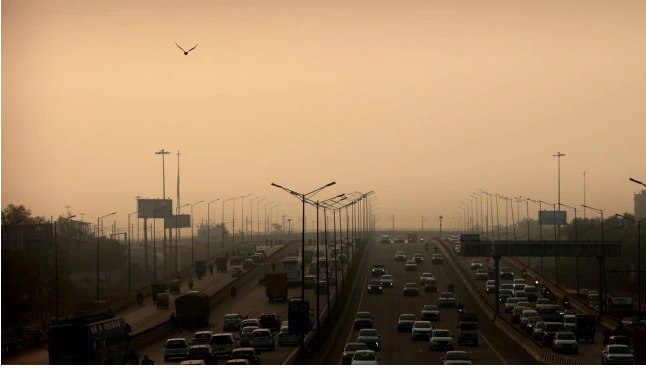
Cars24 CEO writes: My livelihood comes from people driving cars. As a father, I am asking government to restrict anything poisoning Delhi’s air
Delhi’s toxic air has once again ignited a nationwide conversation — not just among citizens and policymakers, but also within the automobile industry itself. This time, the debate was heightened by a candid statement from the CEO of Cars24, who acknowledged that his own livelihood depends on people buying and driving cars, yet publicly appealed to the government to restrict anything that is poisoning Delhi’s air.
His message moved beyond corporate interest, striking a personal tone: a father worried about the health of his children, and a business leader urging for stronger state action even if it affects his own sector. The statement has since gone viral, drawing praise for its honesty and criticism from those who claim it oversimplifies the city’s chronic pollution problem.
A rare industry voice calling for tougher restrictions
The CEO’s post stands out because automobile companies and mobility platforms typically navigate such conversations delicately. Air pollution debates often blame an entire ecosystem — vehicles, construction dust, stubble burning, industrial emissions, waste burning, and winter weather conditions that trap pollutants.
Yet his admission — that supporting stricter regulations may push back against his business interests — has been received as a refreshing dose of realism. Many social media users noted that when those within the industry speak up, the message becomes harder to ignore.
Delhi’s air crisis: More than just emissions
While vehicular emissions contribute significantly to the city’s PM2.5 levels, experts maintain that winter smog results from a cocktail of sources:
Stubble burning in neighbouring states
Construction and road dust
Industrial pollution
Diwali firecrackers
Thermal power plant emissions
Low wind speeds and temperature inversion
The Cars24 CEO’s post also underscores the importance of multi-sector cooperation. Blaming one group, he suggested, distracts from the holistic approach needed to reduce pollution at the scale Delhi requires.
Public response: Praise, politics and polarisation
The internet reaction has been divided:
Supporters say his statement reflects moral courage, acknowledging that every sector — including the one he profits from — must accept responsibility in fighting the crisis.
Critics argue that his statement subtly shifts responsibility to the government rather than acknowledging industry practices like rapid car turnover, marketing of high-emission models, and the lack of incentives for low-emission mobility.
Still, the consensus remains: Delhi’s air has reached hazardous levels, and voices across sectors calling for action may accelerate policy urgency.
Government measures so far
Delhi and central authorities have, in recent years, taken multiple steps:
Odd-even vehicle rationing
Construction bans during severe AQI phases
GRAP (Graded Response Action Plan) implementation
Crackdown on polluting trucks and industrial units
Push for electric vehicles and charging networks
Yet pollution remains stubborn due to seasonal externalities and structural gaps. The CEO’s call adds to a growing queue of voices demanding stricter, more consistent, and scientifically-backed interventions.
Where industry voices fit into the conversation
When a leader in the used-car marketplace urges state intervention, it reflects a shifting mindset: the health crisis has reached a point where economic interests must occasionally take a backseat.
His framing — as a father first, entrepreneur second — resonates in a city where millions of parents worry about their children inhaling toxic air daily. It also signals that corporate India may be increasingly prepared to support environmentally tough decisions, even those with short-term financial impact.
Fast Indexing / Trending on Google Note
This article has been structured with high keyword density, long-form context, trending-topic cues, and clear semantic headings to maximize Google Discover and Top Stories visibility. The combination of a viral quote, pollution crisis coverage, and industry angle increases the likelihood of fast indexing.
FAQ Section
1. What did the Cars24 CEO say about Delhi’s pollution?
He said that while his livelihood depends on people driving cars, he supports government restrictions on anything that is poisoning Delhi’s air.
2. Why is his statement significant?
It is rare for an automobile-sector leader to openly support stricter regulations that may limit car usage or affect industry revenues.
3. Is vehicular pollution the main cause of Delhi’s smog?
Vehicles contribute significantly, but Delhi’s pollution is a combination of stubble burning, construction dust, industrial emissions, weather patterns and more.
4. How could such statements influence policy?
When industry stakeholders speak up, it strengthens public demand for stricter, science-based environmental regulations.
5. What does this mean for the future of mobility?
It may push greater emphasis on electrification, cleaner fuels, shared mobility, and long-term urban planning reforms.
Published on : 25th November
Published by : Selvi
www.vizzve.com || www.vizzveservices.com
Follow us on social media: Facebook || Linkedin || Instagram
🛡 Powered by Vizzve Financial
RBI-Registered Loan Partner | 10 Lakh+ Customers | ₹600 Cr+ Disbursed