

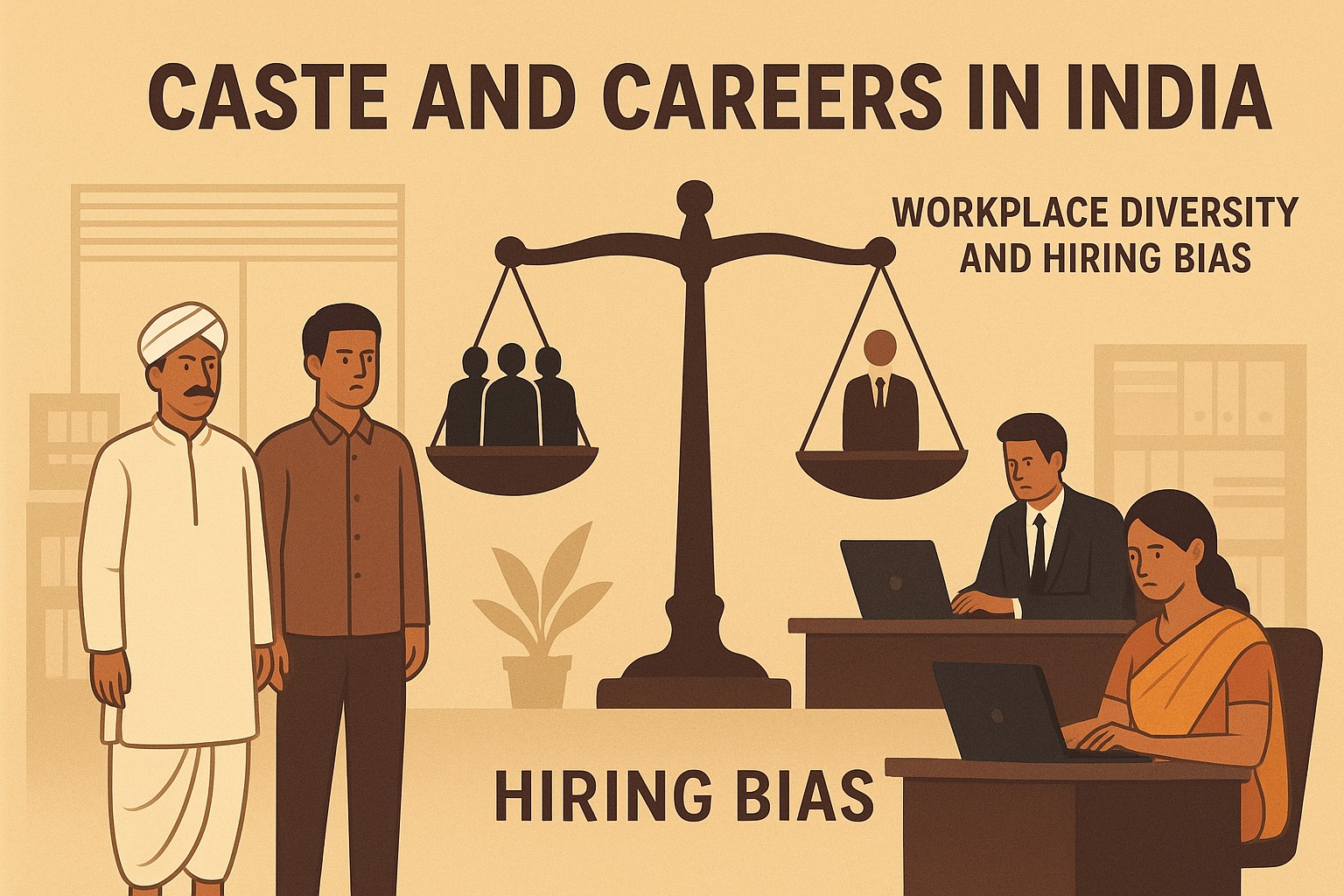
India’s job market is one of the fastest growing in the world, but deep-rooted social structures continue to influence opportunities. Despite decades of affirmative action, government reservations, and corporate diversity programs, caste still plays a role in shaping education access, employment choices, promotions, and pay scales. Understanding how caste intersects with careers is crucial for building a more inclusive economy.
Historical Context: Caste and Work Division
For centuries, caste in India dictated one’s occupation — priests, warriors, traders, and laborers formed rigid categories. Even after independence in 1947, remnants of this system lingered, especially in rural areas. The introduction of reservations in education and government jobs provided a lifeline for marginalized communities, yet social barriers still exist in the private sector.
Education as the First Step in Careers
Unequal access: Students from marginalized castes often face discrimination in schools and lack access to quality institutions.
Reservation policies: Affirmative action has improved college entry, but dropout rates remain high due to financial struggles and social stigma.
Elite institutions: IITs, IIMs, and private colleges still face criticism for implicit caste bias during admissions and campus culture.
Hiring and Promotions in the Job Market
Government sector: Reservation ensures representation, but critics argue meritocracy is compromised, while supporters see it as necessary correction.
Private sector: Many industries, from tech to finance, lack formal caste-based inclusion policies, leaving biases unchecked.
Networking advantage: Upper-caste candidates often benefit from family connections, alumni networks, and English-medium education, which help them secure higher-paying jobs.
The Urban vs Rural Divide
In rural India, caste-based occupational segregation is still visible — agriculture, manual labor, and artisanal work are dominated by certain castes. In contrast, urban centers provide some level of anonymity, but subtle barriers in housing, corporate culture, and hiring remain.
Changing Landscape: Startups and Digital India
The rise of startups, remote work, and digital platforms is slowly reducing caste visibility in job opportunities. Many new-age entrepreneurs claim to focus purely on skills. However, funding access, social capital, and mentorship opportunities still favor privileged backgrounds.
Future of Caste and Careers in India
Policy reforms: Extending diversity and inclusion beyond government jobs into private companies.
Skill-based hiring: AI-driven recruitment may reduce bias, though technology can also inherit social prejudices.
Generational change: Younger Indians are increasingly questioning caste divisions, but long-term structural reforms are necessary.
FAQs on Caste and Careers
Q1. Does caste still matter in urban job markets?
Yes, though less visible, caste can influence hiring, promotions, and workplace culture in subtle ways.
Q2. Are private companies in India required to follow caste reservation?
No, caste-based reservations apply mainly to government jobs and educational institutions, not private firms.
Q3. How has digital work impacted caste barriers?
Freelancing, gig work, and remote jobs reduce face-to-face bias, but lack of access to resources still limits marginalized groups.
Q4. What are solutions to reduce caste bias in careers?
Implementing diversity policies in private firms, expanding scholarships, and improving access to quality education.
Q5. Is caste-based discrimination illegal in India?
Yes, caste discrimination is banned under Indian law, but enforcement remains a challenge in both rural and urban areas.
Published on : 17th August
Published by : SMITA
www.vizzve.com || www.vizzveservices.com
Follow us on social media: Facebook || Linkedin || Instagram
🛡 Powered by Vizzve Financial
RBI-Registered Loan Partner | 10 Lakh+ Customers | ₹600 Cr+ Disbursed