

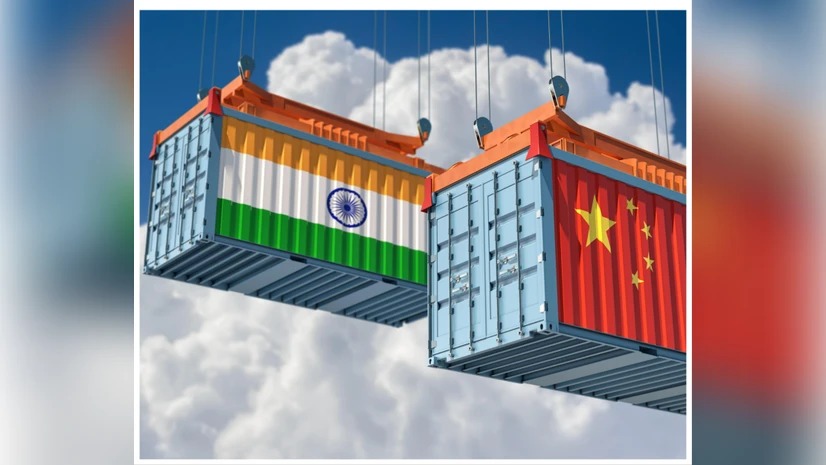
After a five-year hiatus, China and India have officially resumed border trade, marking a significant development in the bilateral relationship between the two Asian giants. This reopening of trade through designated border points is not only a step toward normalizing relations but also a move that could have long-term economic, political, and cultural implications.
Background: Why Border Trade Was Halted
Border trade between China and India had been suspended in 2020 following heightened geopolitical tensions and the Galwan Valley clash. Security concerns, logistical challenges, and COVID-19 restrictions further prolonged the shutdown. The Nathula Pass in Sikkim and Shipki La in Himachal Pradesh, which were key trading routes, remained closed to traders for years.
What the Resumption Means
The decision to restart trade signals a thaw in diplomatic ties and a mutual interest in fostering economic cooperation despite political differences. Border trade benefits both sides by:
Boosting local economies in border regions through trade of essential goods and handicrafts.
Reducing transport costs for goods traditionally imported via longer sea routes.
Promoting cultural exchange between local communities in the Himalayan region.
Goods Likely to be Traded
Historically, India has exported items such as tea, coffee, spices, rice, textiles, and handicrafts to China, while importing items like raw silk, yak tails, wool, and electronics. With trade resuming, a similar list of goods is expected, though both governments are working on updated protocols for permissible items.
Economic Impact
Resuming border trade could have the following effects:
Economic revival in border states like Sikkim, Himachal Pradesh, and Arunachal Pradesh.
Employment generation for traders, transporters, and local service providers.
Strengthening supply chains for goods specific to Himalayan regions.
Experts suggest that even a modest revival of border trade could inject millions of dollars annually into local economies.
Political & Strategic Angle
While the trade resumption does not mean all political disputes are resolved, it shows pragmatism on both sides. Economic engagement is often used as a confidence-building measure in strained relationships, and this could pave the way for future cooperation in other sectors.
Challenges Ahead
Despite the optimism, challenges remain:
Trust deficit due to recent border tensions.
Security checks and trade regulations could slow processes.
Infrastructure needs for better road connectivity, customs facilities, and warehousing.
Conclusion
The reopening of China-India border trade after five years is a significant diplomatic and economic milestone. While it is not a solution to deeper political issues, it represents a mutual acknowledgment of the benefits of economic cooperation. If managed well, this could be a step toward more stable relations between two of the world’s largest economies.
FAQs – China-India Resume Border Trade After Five Years
Q1: Why did China and India suspend border trade earlier?
A1: Border trade was suspended due to heightened tensions following military stand-offs, including the 2020 Galwan Valley clash, and pandemic-related restrictions.
Q2: Which border points are reopening for trade?
A2: The Nathula Pass in Sikkim and certain Ladakh trade routes are expected to be active for cross-border commerce.
Q3: What goods are usually traded between India and China via the border?
A3: Items include agricultural products, handicrafts, wool, textiles, and certain processed foods, along with Chinese goods like garments, toys, and electronics.
Q4: How will resumption of trade impact local economies?
A4: Local traders, transporters, and border communities are expected to benefit from increased economic activity, tourism, and cultural exchanges.
Q5: Will this improve diplomatic relations between India and China?
A5: While trade resumption is a positive step, significant trust-building and resolution of border disputes are essential for long-term diplomatic improvement.
Published on : 14th August
Published by : SMITA
www.vizzve.com || www.vizzveservices.com
Follow us on social media: Facebook || Linkedin || Instagram
🛡 Powered by Vizzve Financial
RBI-Registered Loan Partner | 10 Lakh+ Customers | ₹600 Cr+ Disbursed