

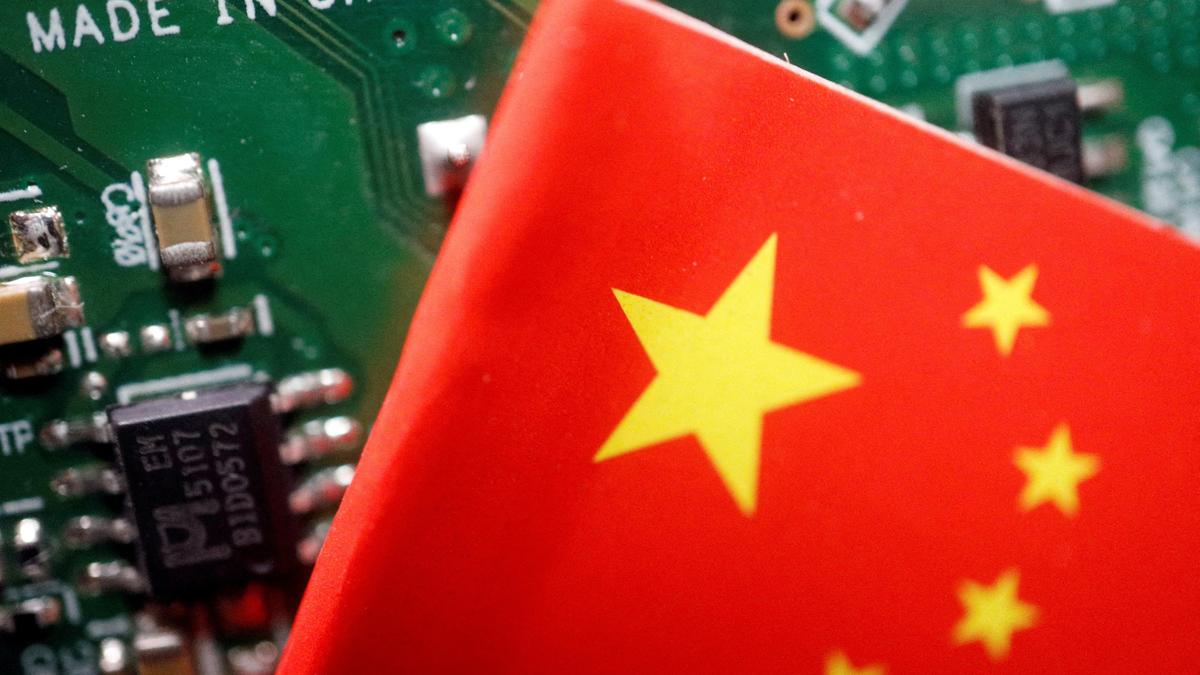
China Creates a New Visa to Woo Global Tech Talent
In a bold step to strengthen its position in global innovation, China has introduced a new visa program targeting foreign professionals, researchers, and entrepreneurs in technology and finance. The move is part of China’s strategy to attract international expertise and rival the U.S. in the competition for global talent.
The visa, tailored for high-skilled individuals, offers faster approvals, longer validity, and residency options. It covers critical fields such as artificial intelligence, semiconductors, green energy, biotechnology, and fintech — sectors central to China’s modernization drive.
Why China Is Competing with the U.S.
The U.S. has long dominated global tech recruitment with its H-1B program, but increasing restrictions have left room for China to rise.
China’s goals include:
Filling domestic tech skill gaps.
Fostering innovation-driven economic growth.
Building a self-reliant tech ecosystem free from foreign dependency.
This aligns with Beijing’s “Talent Strong Nation” plan, emphasizing that future leadership in innovation depends on a steady inflow of global talent.
Opportunities for Foreign Professionals
The new visa program offers:
Work authorization up to five years, with renewal options.
Fast-track processing for high-demand sectors.
Tax incentives and relocation support.
Access to key innovation hubs like Shenzhen, Hangzhou, and Beijing’s Zhongguancun.
Professionals from Europe, India, and Southeast Asia have already expressed interest, viewing China as a new center of opportunity.
Impact on the Global Tech Landscape
This visa could reshape global migration and tech competition by:
Intensifying the U.S.–China race for talent.
Encouraging cross-border R&D collaborations.
Strengthening China’s innovation infrastructure.
If effectively implemented, China could emerge as a leading global hub for technology and research.
FAQs
Q1: What is the purpose of China’s new visa policy?
It’s designed to attract global professionals in technology, science, and finance to boost innovation and global competitiveness.
Q2: How does it differ from the U.S. H-1B visa?
China’s visa provides longer validity, faster processing, and a clearer residency pathway compared to the U.S. H-1B lottery system.
Q3: Which industries are eligible?
AI, robotics, semiconductor manufacturing, biotech, renewable energy, and fintech.
Q4: Are entrepreneurs eligible?
Yes, startup founders developing technology-driven enterprises can apply.
Q5: When will it take effect?
Pilot implementation has begun in select tech zones, with nationwide rollout expected soon.
Published on : 10TH November
Published by : SARANYA
Source Credit ; Priya Sharma
www.vizzve.com || www.vizzveservices.com
Follow us on social media: Facebook || Linkedin || Instagram
🛡 Powered by Vizzve Financial
RBI-Registered Loan Partner | 10 Lakh+ Customers | ₹600 Cr+ Disbursed