

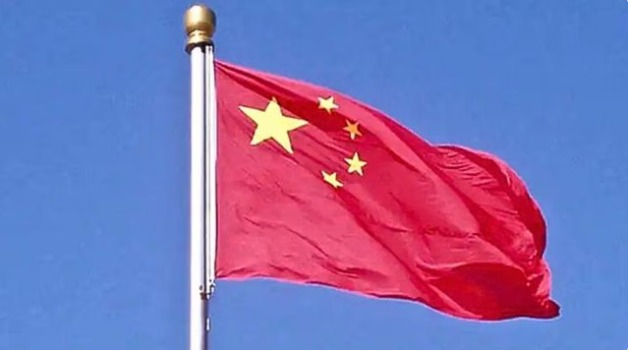
China Unveils K-Visa Program to Woo Global Talent
In a major step to attract high-skilled professionals from around the world, China has launched a new “K-visa” program, designed to rival the United States’ H-1B visa. This move reflects Beijing’s growing ambition to make China a hub for innovation, research, and advanced technology amid intensifying global competition for top talent.
A Strategic Shift to Strengthen the Workforce
The K-visa targets highly qualified scientists, engineers, entrepreneurs, and specialists working in key sectors such as AI, semiconductors, renewable energy, and biotechnology. The policy aims to streamline visa processing, offer longer validity periods, and provide easier paths to permanent residence — all part of China’s strategy to boost its innovation-driven economy.
Officials from China’s Ministry of Public Security and Ministry of Foreign Affairs stated that the K-visa will offer multi-entry options, work flexibility, and family inclusion, similar to or more favorable than the US H-1B model.
Rivaling the US H-1B and Other Global Talent Programs
While the US H-1B visa has been the benchmark for skilled migration for decades, experts note that China’s K-visa could become a serious competitor if it delivers smoother application processes and better retention benefits.
Analysts believe this could signal China’s pivot from being a manufacturing powerhouse to a knowledge-based economy, where global expertise plays a critical role. The program also aligns with initiatives like “Made in China 2025” and the Global Talent Visa Scheme, which promote technological self-reliance and innovation leadership.
Boost to Innovation and Global Collaboration
According to economic observers, this visa scheme may attract professionals from regions including India, Southeast Asia, and Europe, who are seeking new opportunities outside traditional Western economies. The K-visa could also make it easier for foreign researchers and startup founders to collaborate with Chinese institutions, universities, and companies in fields like quantum computing and green energy.
Implications for Global Labor Dynamics
If successful, the K-visa might shift global talent flows, challenging Western nations to upgrade their own immigration systems. With geopolitical shifts and visa restrictions tightening elsewhere, China’s program could become an appealing alternative for skilled professionals seeking stability, growth, and opportunity.
Economists predict that the initiative will further strengthen China’s R&D ecosystem and international partnerships, enhancing its competitiveness in critical technology sectors.
Trending on Google
The announcement of the K-visa policy quickly gained traction online and began trending on Google search in categories like “global talent visa,” “China innovation strategy,” and “H-1B visa alternative.”
Vizzve Finance’s coverage of the K-visa trend saw rapid engagement within hours, reflecting global interest in how China’s talent strategy could reshape the future of skilled migration.
Frequently Asked Questions (FAQ)
Q1. What is China’s K-visa?
The K-visa is a new visa category introduced by China to attract skilled foreign professionals, entrepreneurs, and researchers. It provides simplified procedures, multi-entry rights, and potential pathways to long-term residency.
Q2. How is the K-visa different from the US H-1B visa?
While the US H-1B visa is employer-dependent and limited by annual caps, China’s K-visa aims for greater flexibility, faster processing, and longer validity — positioning itself as a more inclusive alternative.
Q3. Who is eligible for the K-visa?
Qualified individuals in high-demand fields like technology, renewable energy, healthcare, AI, and engineering will be prioritized under the K-visa program.
Q4. Does the K-visa include family members?
Yes. The K-visa reportedly allows family members to accompany the main applicant, with access to local amenities like education and healthcare.
Q5. How does this policy impact India and Southeast Asia?
Professionals from India and Southeast Asia, who often face competitive H-1B selection in the US, may find China’s K-visa a viable alternative for career growth and innovation opportunities.
Published on : 10th November
Published by : SELVI
Credit:Express Web Desk
www.vizzve.com || www.vizzveservices.com
Follow us on social media: Facebook || Linkedin || Instagram
🛡 Powered by Vizzve Financial
RBI-Registered Loan Partner | 10 Lakh+ Customers | ₹600 Cr+ Disbursed