

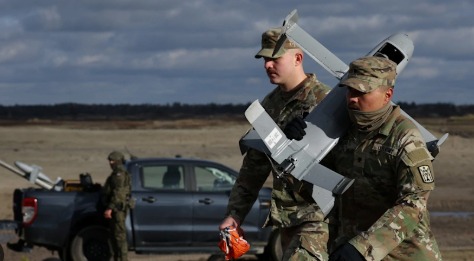
A new intelligence-based assessment has revealed that China used the India–Pakistan conflict scenario to conduct “real-world” tests of its advanced military weapons, according to a report cited by officials. The revelation has raised major concerns for India’s security establishment as it indicates Beijing’s growing interest in evaluating its defence capabilities using active regional tensions as simulation grounds.
The report suggests that China tested its modern weapon systems and surveillance technologies by modelling potential India–Pakistan battlefield situations — especially during moments of heightened regional hostility.
What China Reportedly Tested
According to the report, China used the conflict backdrop to analyse:
✔ Precision-strike weapons
Testing their accuracy and performance in simulated high-stress war-like conditions.
✔ Surveillance & reconnaissance systems
Evaluating drone-based, satellite-based, and ground-based tracking systems.
✔ Electronic warfare tools
Simulating signal disruption, radar interference, and communication jamming.
✔ AI-assisted battlefield assessment
Using artificial intelligence to predict troop movement and battlefield dynamics.
These experimental assessments allow China to refine and enhance its military systems without entering live combat.
Why Use the India–Pakistan Conflict Scenario?
The India–Pakistan border represents one of the world’s most tense military regions, involving:
High troop mobilisation
Frequent ceasefire violations
Difficult terrain across LoC and high-altitude sectors
Nuclear-armed rivals
Unpredictable escalation patterns
For China, this creates an ideal “conflict simulation model” without engaging directly.
The report says Beijing wanted “real-world” variables to measure the performance of its weapons, which can’t be replicated in laboratory tests.
🇮🇳 Why This Is Concerning for India
Security analysts believe the findings highlight three major risks:
1️⃣ China expanding its strategic influence
Beijing’s military interest in Indo-Pak dynamics suggests deeper monitoring of South Asian security.
2️⃣ Better preparedness for future border tensions
China can develop more informed tactics along the LAC based on simulated outcomes.
3️⃣ Pakistan–China defence collaboration
It may indicate coordinated defence exercises or data-sharing between the two countries.
Possible Link to China’s Western Theatre Command
China’s Western Theatre Command, responsible for regions bordering India, is believed to be involved in the analysis of:
High-altitude warfare
Mountain artillery
Drone deployment in harsh terrain
Surveillance in Himalayan areas
Testing weapons based on Indo-Pak conflict gives operational insights into the kind of warfare China may prepare for along the India border.
Regional Military Dynamics May Change
The report may influence:
India’s strategic planning
Pakistan-China defence cooperation
Cross-border military readiness
Intelligence and satellite monitoring
International perception of China’s aggressive defence posture
Experts believe India will now need to reassess its surveillance, cyber readiness, and border deployment strategies.
What India Could Do Next
Strategic experts suggest:
Enhanced LAC surveillance
Strengthening joint intelligence operations
Increasing cyber and drone defence capabilities
More collaborations with friendly nations on technology sharing
Additional border infrastructure acceleration
India may also push for diplomatic communication channels to reduce regional miscalculations.
❓ FAQs
1. What did the report claim about China’s weapons tests?
That China used India-Pakistan conflict dynamics to simulate “real-world” testing conditions for advanced weapons.
2. Why would China model the India-Pakistan conflict?
Because it provides realistic war-like variables, terrain challenges, and high escalation scenarios.
3. What types of weapons were tested?
Precision-strike systems, surveillance tools, drones, and electronic warfare technologies.
4. Is there any indication of Pakistan’s involvement?
No confirmation yet, but experts believe data-sharing is possible.
5. What does this mean for India’s security?
India may need to strengthen surveillance, cyber defence, and border readiness.
Published on : 22nd November
Published by : SMITA
www.vizzve.com || www.vizzveservices.com
Follow us on social media: Facebook || Linkedin || Instagram
🛡 Powered by Vizzve Financial
RBI-Registered Loan Partner | 10 Lakh+ Customers | ₹600 Cr+ Disbursed
Source Credit: Edited by: Pushkar Tiwari