

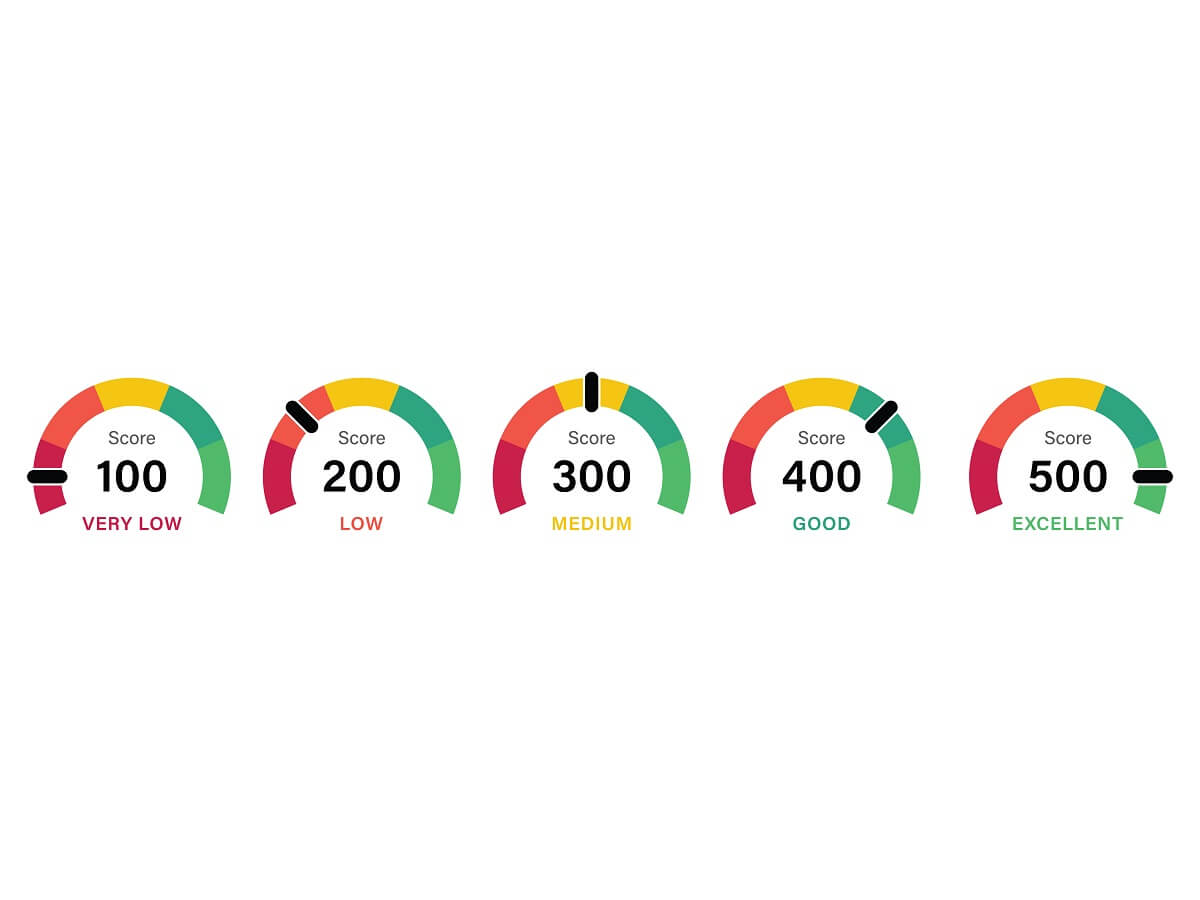
When applying for a loan, one term you’ll often hear is CIBIL score. Many believe it’s the only factor banks consider, while others think it’s not that important. In reality, your credit score plays a crucial role, but there are many myths surrounding it. Let’s separate the myths from facts so you know exactly how it impacts loan approval.
1. What is a CIBIL Score?
The CIBIL score is a three-digit number (ranging from 300 to 900) that reflects your creditworthiness based on your repayment history, credit usage, and financial behavior. A higher score means better chances of loan approval.
2. Common Myths About CIBIL Score
❌ Myth 1: Only high-income individuals need a good score.
✅ Fact: Regardless of income, lenders check your credit history to ensure repayment reliability.
❌ Myth 2: Checking your own score reduces it.
✅ Fact: A self-check (soft inquiry) does not affect your score; only multiple loan applications (hard inquiries) do.
❌ Myth 3: A low score means no loan approval.
✅ Fact: Some lenders still approve loans with higher interest rates or require collateral.
❌ Myth 4: Using credit cards lowers your score.
✅ Fact: Responsible credit card usage and timely payments can improve your score.
❌ Myth 5: Closing old accounts boosts your score.
✅ Fact: Older accounts build credit history, and closing them may reduce your score.
3. How CIBIL Score Actually Impacts Loan Approval
750+ Score: High chances of approval, often with lower interest rates.
650–749 Score: Moderate approval chances; may face stricter terms.
Below 650: Risky for lenders, possible rejection or higher rates.
Other Factors Matter Too: Income, employment stability, existing debts, and repayment history are also considered.
4. Tips to Improve Your CIBIL Score
Pay EMIs and credit card bills on time
Maintain a low credit utilization ratio (below 30%)
Avoid multiple loan applications in a short span
Keep old credit accounts open for a longer history
Regularly check your credit report for errors
Conclusion:
Your CIBIL score is a key factor in loan approval, but it’s not the only one. By busting myths and focusing on healthy financial habits, you can improve your score and unlock better loan opportunities. Remember: a strong credit profile means more negotiating power with lenders.
FAQ:
Q1: What is a good CIBIL score for loan approval?
A score above 750 is generally considered excellent.
Q2: Can I get a loan with a low CIBIL score?
Yes, but usually with higher interest rates or stricter terms.
Q3: How long does it take to improve a CIBIL score?
It may take 6–12 months of consistent good practices to see significant improvement.
Q4: Does my CIBIL score affect credit card approval?
Yes, issuers check your score before approving credit cards and setting limits.
Q5: How often should I check my CIBIL score?
At least once every 3–6 months to ensure accuracy and track improvements.
Published on : 4th September
Published by : SMITA
www.vizzve.com || www.vizzveservices.com
Follow us on social media: Facebook || Linkedin || Instagram
🛡 Powered by Vizzve Financial
RBI-Registered Loan Partner | 10 Lakh+ Customers | ₹600 Cr+ Disbursed
https://play.google.com/store/apps/details?id=com.vizzve_micro_seva&pcampaignid=web_share