

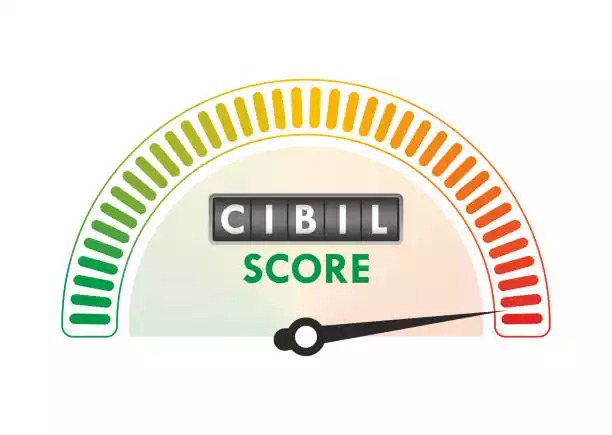
When applying for a loan or credit card in India, one term always pops up – CIBIL Score. For many, it’s a confusing number that decides approval or rejection. But what does it really mean? And more importantly, what do lenders actually check in your CIBIL report before granting you a loan?
Let’s break it down step by step so you can take control of your financial journey.
What is a CIBIL Score?
A CIBIL Score is a 3-digit number ranging from 300 to 900, issued by TransUnion CIBIL, India’s leading credit bureau.
750+ → Excellent (High chance of instant loan approval)
650–749 → Good (Loans may get approved with standard interest rates)
550–649 → Average (Higher risk, higher interest rates)
Below 550 → Poor (Chances of rejection are very high)
This score is calculated based on your borrowing history, repayment behavior, and credit utilization.
What Lenders Actually Look At in Your CIBIL Report
Credit History & Repayment Patterns
Do you pay EMIs and credit card bills on time?
Even a single missed payment can impact your score.
Credit Utilization Ratio (CUR)
Using more than 30–40% of your credit limit makes lenders cautious.
Example: If your card limit is ₹1,00,000, try not to spend more than ₹30,000–₹40,000 regularly.
Credit Mix
A healthy balance of secured loans (home/car) and unsecured loans (credit card/personal loan) shows stability.
Loan Enquiries (Hard Checks)
Too many loan applications in a short time signals financial stress.
Lenders prefer borrowers who apply carefully.
Existing Loan Burden
Lenders check if you are already carrying multiple loans.
A high Debt-to-Income ratio lowers your chances of approval.
Why a Good CIBIL Score Matters
✅ Quick Loan Approval – Higher scores lead to faster approvals.
✅ Lower Interest Rates – Borrowers with good credit get better offers.
✅ Higher Loan Limits – Banks trust you with bigger loans.
✅ Access to Premium Credit Cards – With rewards, cashback, and travel perks.
Tips to Improve Your CIBIL Score
Pay EMIs & Credit Card Bills on Time – Even a single delay can hurt your score.
Keep Credit Utilization Below 30% – Spend smartly.
Avoid Frequent Loan Applications – Apply only when needed.
Check Your CIBIL Report Regularly – Correct errors if any.
Maintain a Healthy Credit Mix – Use both secured and unsecured credit wisely.
FAQs
Q1. What is a good CIBIL score for personal loans?
A score of 750+ is considered excellent and increases approval chances.
Q2. Can I get a loan with a low CIBIL score?
Yes, but the interest rate may be higher, and approval may take longer.
Q3. How often should I check my CIBIL score?
At least once every 6 months to monitor accuracy.
Q4. Does checking my own CIBIL score reduce it?
No. Self-checks are considered soft enquiries and do not affect your score.
Q5. How long does it take to improve a low CIBIL score?
With consistent repayment and good financial discipline, 6–12 months can show visible improvement.
✨ Pro Tip: A good CIBIL score is like your financial passport. Take care of it, and lenders will welcome you with better offers and faster approvals.
Published on : 22nd August
Published by : SMITA
www.vizzve.com || www.vizzveservices.com
Follow us on social media: Facebook || Linkedin || Instagram
🛡 Powered by Vizzve Financial
RBI-Registered Loan Partner | 10 Lakh+ Customers | ₹600 Cr+ Disbursed
https://play.google.com/store/apps/details?id=com.vizzve_micro_seva&pcampaignid=web_share