

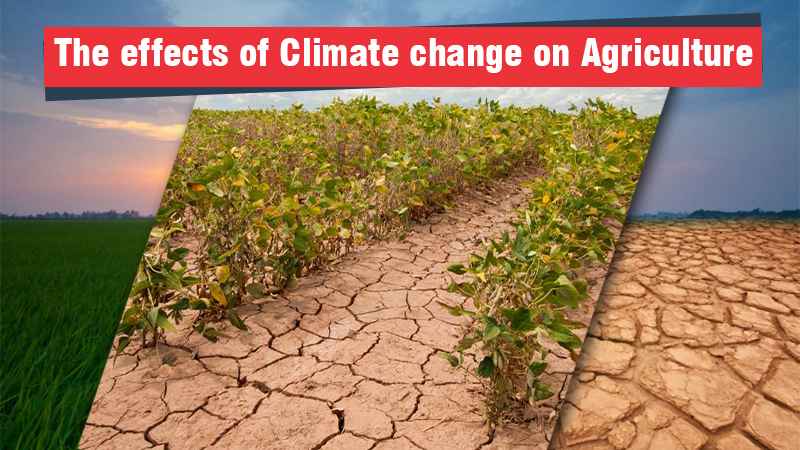
Climate change is increasingly impacting agriculture worldwide, and India is no exception. Erratic weather patterns, droughts, floods, and unpredictable monsoons are affecting crop yields and farmers' incomes. These challenges have significant implications for agricultural loans in India, influencing both lenders and borrowers. In this blog, we explore how climate change is shaping agricultural financing and what farmers and financial institutions need to know.
How Climate Change Affects Agriculture in India
Unpredictable Rainfall: Changes in monsoon patterns can lead to droughts or floods, affecting crop cycles.
Crop Failures: Extreme weather conditions increase the risk of crop damage or failure.
Increased Costs: Farmers may need to invest more in irrigation, pest control, and climate-resilient seeds.
Income Instability: Reduced and uncertain harvests impact farmers' ability to repay loans.
Impact on Agricultural Loans
1. Higher Default Risks
Due to unpredictable yields and income fluctuations, the risk of loan defaults by farmers has increased, making lenders more cautious.
2. Changing Loan Policies
Banks and NBFCs are now factoring climate risks into their lending decisions. Some are offering loans with flexible repayment options or insurance-linked products.
3. Increased Demand for Crop Insurance
Farmers are increasingly seeking crop insurance linked to loans to safeguard against climate-induced losses.
4. Government Initiatives
The Indian government is promoting schemes to support farmers affected by climate change, including subsidies and specialized loan products.
How Farmers Can Navigate Agricultural Loans Amid Climate Challenges
Opt for Crop Insurance: Protect your investments against climate risks.
Choose Flexible Loan Products: Look for loans offering moratoriums or flexible repayment plans.
Adopt Climate-Resilient Practices: Use drought-resistant seeds and efficient irrigation to reduce risks.
Stay Informed: Use platforms like Vizzve Finance to compare loan options and get advice.
FAQs
Q1: Does climate change increase interest rates on agricultural loans?
Not directly, but increased risks can lead lenders to adjust terms or demand collateral.
Q2: Are there special loans for farmers affected by climate change?
Yes, government schemes and some financial institutions offer loans tailored for climate resilience.
Q3: How does crop insurance work with agricultural loans?
Crop insurance protects farmers from losses, ensuring they can repay loans even after crop failures.
Conclusion
Climate change poses new challenges to Indian agriculture, significantly impacting agricultural loans. Both farmers and lenders must adapt by embracing risk mitigation strategies, flexible financial products, and climate-resilient farming practices. Platforms like Vizzve Finance can help farmers find the right loan products tailored to their changing needs.
Published on : 8th August
Published by : SMITA
www.vizzve.com || www.vizzveservices.com
Follow us on social media: Facebook || Linkedin || Instagram
🛡 Powered by Vizzve Financial
RBI-Registered Loan Partner | 10 Lakh+ Customers | ₹600 Cr+ Disbursed