

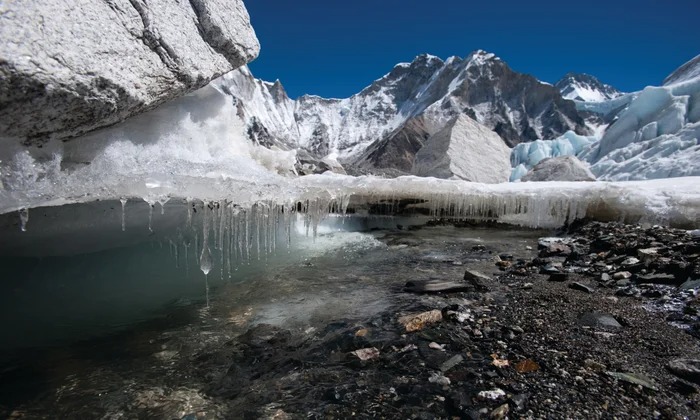
The Himalayan region, known for its breathtaking landscapes and fragile ecosystems, is facing a growing threat from climate change. Rising temperatures, glacial melt, and altered rainfall patterns are leading to more frequent and severe weather events, including landslides, flash floods, and unseasonal storms. These events not only endanger local communities but also impact biodiversity, agriculture, and tourism.
Key Factors Driving Extreme Weather
Glacial Melting
Rapid glacier retreat increases river flow, causing floods and glacial lake outburst floods (GLOFs) in valleys downstream.
Erratic Rainfall Patterns
Monsoon rains have become increasingly unpredictable, with sudden heavy showers triggering landslides and road blockages.
Rising Temperatures
Even a small increase in average temperature can destabilize mountain slopes and increase the frequency of snowmelt-induced flooding.
Deforestation and Land Use Change
Loss of forest cover for agriculture, urbanisation, and tourism reduces slope stability, exacerbating landslides and erosion.
Atmospheric Changes
Shifts in jet streams, temperature inversion, and global warming contribute to unpredictable and intense storms in the Himalayan belt.
Impacts on Communities and Ecosystems
Human Safety: Villages in hilly areas face evacuation and loss of lives during extreme events.
Agriculture: Crops are affected by flash floods, landslides, and altered rainfall cycles.
Tourism: Trekking routes, resorts, and pilgrimage sites are disrupted.
Biodiversity: Fragile Himalayan ecosystems are under stress, affecting flora and fauna.
Measures for Mitigation and Adaptation
Early Warning Systems
Installing sensors for rainfall, river levels, and glacial lakes to provide timely alerts.
Sustainable Land Management
Afforestation, slope stabilization, and eco-friendly tourism practices to reduce environmental stress.
Infrastructure Resilience
Roads, bridges, and settlements must be designed to withstand heavy rains, floods, and landslides.
Community Preparedness
Educating locals on disaster response, evacuation plans, and emergency resource management.
Policy & Research
Strengthening climate research, cross-border cooperation, and integrating climate risks into planning and development.
Why This Matters
The Himalayas are called the “Third Pole” because of their vast ice reserves. Climate-induced extreme events not only threaten local communities but also affect water security across South and Central Asia, making it a global concern. Addressing these challenges requires urgent climate action, sustainable development, and disaster preparedness.
FAQs
Q1. Why are extreme weather events increasing in the Himalayas?
Factors include glacial melting, erratic rainfall, rising temperatures, deforestation, and atmospheric changes caused by climate change.
Q2. How do these events impact local communities?
They lead to landslides, floods, crop damage, loss of lives, and disruptions to roads, schools, and healthcare.
Q3. What is a GLOF?
A Glacial Lake Outburst Flood occurs when a glacial lake bursts its natural barrier, releasing large amounts of water downstream.
Q4. Can these events affect regions beyond the Himalayas?
Yes, rivers originating from Himalayan glaciers supply water to millions across South and Central Asia, affecting agriculture, energy, and water security.
Q5. What can be done to reduce risks?
Early warning systems, sustainable land use, resilient infrastructure, community training, and climate-focused policies are essential for mitigation and adaptation.
Published on : 20th September
Published by : SMITA
www.vizzve.com || www.vizzveservices.com
Follow us on social media: Facebook || Linkedin || Instagram
🛡 Powered by Vizzve Financial
RBI-Registered Loan Partner | 10 Lakh+ Customers | ₹600 Cr+ Disbursed
https://play.google.com/store/apps/details?id=com.vizzve_micro_seva&pcampaignid=web_share