

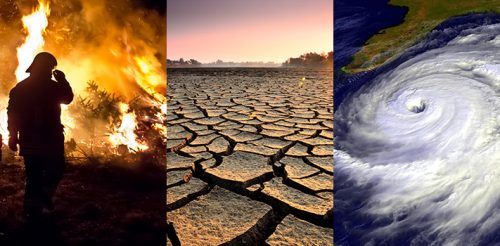
Climate change is one of the most pressing global challenges, and India, with its diverse geography and large population, is particularly vulnerable. From rising temperatures and extreme weather events to melting glaciers and shifting monsoons, staying informed is critical for both policy planning and individual action.
Current Climate Change Trends in India
1. Rising Temperatures
India’s average temperature has risen by 0.7°C over the last century.
Heatwaves in states like Rajasthan, Madhya Pradesh, and Maharashtra are becoming more frequent and severe.
2. Extreme Weather Events
Floods, cyclones, and droughts are occurring with increased intensity.
Recent examples include flash floods in Uttarakhand and cyclones along the eastern coast.
3. Shifts in Monsoon Patterns
Monsoon onset and withdrawal are becoming less predictable, affecting agriculture and water resources.
Some regions face excess rainfall, while others suffer from drought-like conditions.
4. Melting Glaciers & Rising Sea Levels
Himalayan glaciers are shrinking at an alarming rate, impacting rivers like the Ganga and Brahmaputra.
Coastal cities such as Mumbai, Chennai, and Kolkata face increased flooding risk due to rising sea levels.
India’s Climate Action Initiatives
Renewable Energy Expansion
India is aiming for 500 GW of renewable energy by 2030, focusing on solar and wind power.
Afforestation and Carbon Sequestration
Government programs like National Afforestation Programme help increase forest cover.
Climate Adaptation in Agriculture
Promotion of drought-resistant crops and efficient irrigation methods.
International Commitments
India is committed to reducing carbon intensity and achieving net-zero emissions by 2070.
How Climate Change Impacts Daily Life in India
Agriculture: Crop failures and water scarcity threaten farmers’ livelihoods.
Health: Heatwaves, vector-borne diseases, and poor air quality pose risks.
Economy: Extreme weather damages infrastructure and disrupts supply chains.
Water Resources: Glacial melt and erratic rainfall affect drinking water availability.
FAQs
Q1. How is climate change affecting India’s agriculture?
Erratic rainfall, droughts, and floods reduce crop yields and threaten food security.
Q2. Which Indian states are most vulnerable to climate change?
Coastal states like Tamil Nadu, Odisha, West Bengal, and northern Himalayan states are highly vulnerable.
Q3. What can individuals do to combat climate change?
Reduce energy consumption
Use renewable energy sources
Plant trees and support green initiatives
Minimize single-use plastics
Q4. How does India plan to meet its renewable energy targets?
By expanding solar parks, wind farms, and promoting rooftop solar, alongside international cooperation.
Q5. Are extreme weather events increasing in India?
Yes, climate studies show increased frequency and intensity of floods, cyclones, and heatwaves.
Published on : 17th August
Published by : SMITA
www.vizzve.com || www.vizzveservices.com
Follow us on social media: Facebook || Linkedin || Instagram
🛡 Powered by Vizzve Financial
RBI-Registered Loan Partner | 10 Lakh+ Customers | ₹600 Cr+ Disbursed