

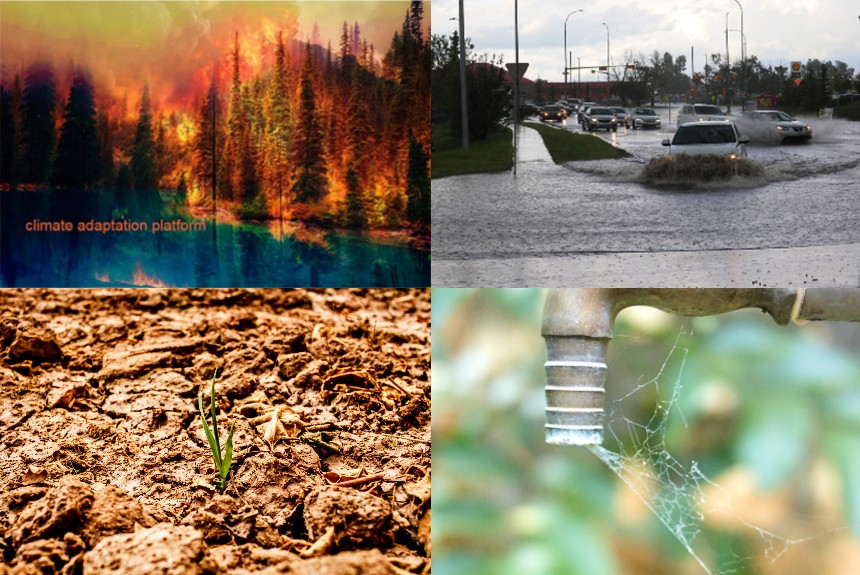
The climate crisis is intensifying at an alarming pace, with record-breaking heatwaves, devastating floods, prolonged droughts, and rising sea levels becoming the “new normal.” Scientists warn that the world is on track to breach the 1.5°C warming limit set by the Paris Agreement unless urgent action is taken.
From the wildfires in Canada and Greece to floods in Asia and Africa, extreme weather is impacting millions of lives, disrupting economies, and threatening food and water security.
Why the Climate Crisis is Intensifying
The worsening climate conditions are linked to multiple human-driven and natural factors:
Greenhouse Gas Emissions: Carbon dioxide, methane, and nitrous oxide are at record highs.
Deforestation & Land Degradation: Forest loss reduces the Earth’s natural ability to absorb CO₂.
Glacial Melting: Accelerated ice loss is contributing to rising sea levels and unpredictable rainfall.
Industrialization & Urban Growth: Unchecked energy consumption and fossil fuel dependency.
Together, these drivers are amplifying the intensity of storms, floods, and wildfires across the globe.
Global Impacts of the Climate Crisis
The effects of climate change are visible across every continent:
Extreme Weather Events: Cyclones, cloudbursts, and heatwaves are occurring more frequently.
Rising Sea Levels: Low-lying nations like the Maldives and Bangladesh are at risk of submersion.
Agriculture & Food Security: Droughts and floods are disrupting global food chains.
Health Hazards: Heat strokes, vector-borne diseases, and respiratory illnesses are on the rise.
Economic Losses: Billions are lost annually due to damaged infrastructure, displaced populations, and declining productivity.
Climate Crisis in India: A Closer Look
India is among the countries most vulnerable to climate change:
Monsoon Disruptions: Erratic rainfall patterns causing floods in some regions and droughts in others.
Glacial Retreat: The Himalayas are losing glaciers rapidly, threatening river systems.
Urban Flooding: Cities like Mumbai, Chennai, and Bengaluru face regular waterlogging crises.
Agricultural Impact: Farmers are facing crop failures due to changing rainfall and rising temperatures.
What Can Be Done? Urgent Solutions
The climate crisis demands collective global action along with local-level adaptation strategies:
Transition to Renewable Energy: Solar, wind, and hydro should replace fossil fuels.
Afforestation & Reforestation: Large-scale plantation drives to restore ecosystems.
Sustainable Agriculture: Climate-smart farming practices for food security.
Green Urban Development: Smarter cities with rainwater harvesting, electric transport, and green infrastructure.
Policy & Global Cooperation: Stronger climate policies, international funding, and disaster preparedness.
Role of Individuals in Combating the Climate Crisis
While governments and corporations play a crucial role, individual actions matter too:
Reduce energy consumption and adopt solar power where possible.
Choose public transport, cycling, or walking over private vehicles.
Reduce plastic use and promote recycling.
Support eco-friendly brands and green policies.
Spread awareness within communities.
Conclusion: A Defining Challenge of Our Time
The climate crisis is intensifying faster than predicted, threatening lives, economies, and ecosystems. However, it is not too late to act. By embracing sustainable lifestyles, clean energy, and global cooperation, humanity can still steer away from the worst outcomes.
The choice is simple: act now or face an irreversible future.
FAQs
Q1. Why is the climate crisis intensifying?
The climate crisis is intensifying due to greenhouse gas emissions, deforestation, rapid industrialization, and rising global temperatures that fuel extreme weather.
Q2. How does climate change affect daily life?
It impacts food security, water supply, health, and the economy through floods, droughts, heatwaves, and rising sea levels.
Q3. What are the solutions to the climate crisis?
Solutions include renewable energy, afforestation, sustainable farming, eco-friendly urban planning, and strong international climate policies.
Q4. How is India affected by climate change?
India faces erratic monsoons, glacial melting in the Himalayas, urban flooding, and agricultural disruptions due to climate change.
Q5. Can individuals help fight the climate crisis?
Yes. By reducing energy use, choosing sustainable transport, cutting plastic, and supporting green policies, individuals can make a real difference.
Published on : 30th August
Published by : SMITA
www.vizzve.com || www.vizzveservices.com
Follow us on social media: Facebook || Linkedin || Instagram
🛡 Powered by Vizzve Financial
RBI-Registered Loan Partner | 10 Lakh+ Customers | ₹600 Cr+ Disbursed
https://play.google.com/store/apps/details?id=com.vizzve_micro_seva&pcampaignid=web_share