

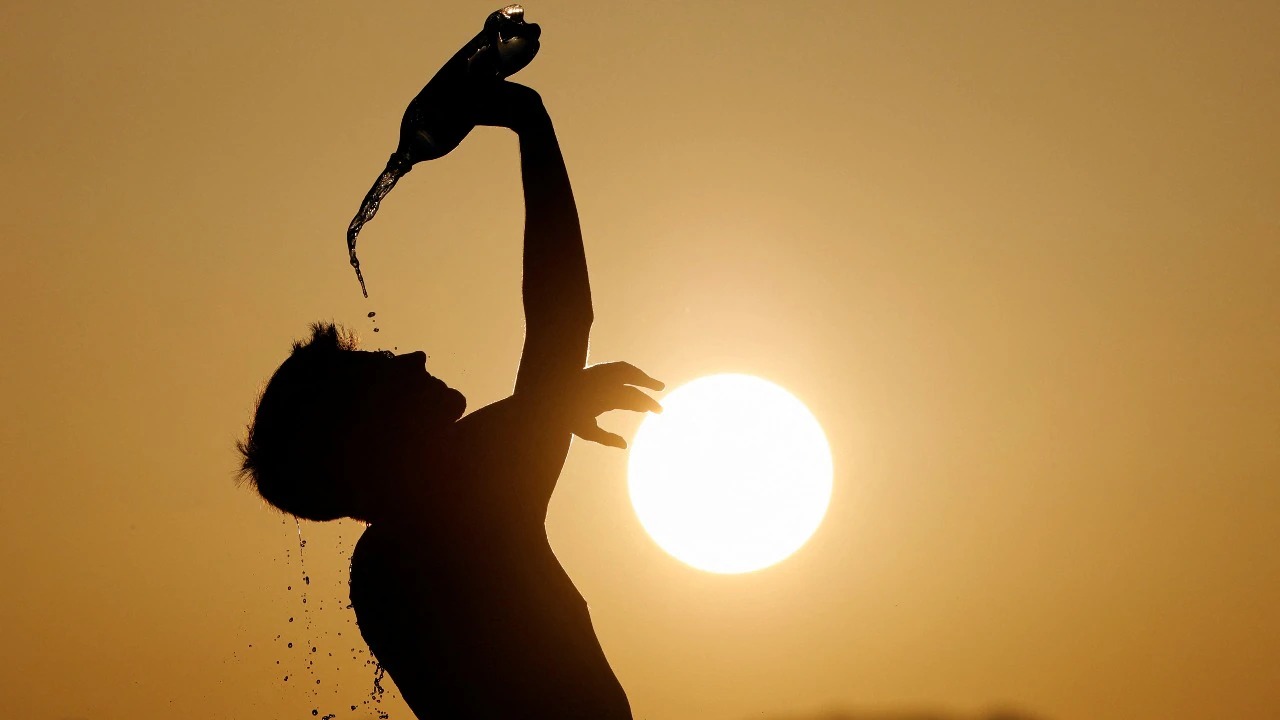
India, home to over 1.4 billion people, is one of the most climate-vulnerable nations in the world. Rising temperatures, erratic rainfall, extreme heatwaves, and severe flooding events are increasingly threatening livelihoods, public health, and economic growth. As the effects of climate change intensify, understanding climate risks in India is crucial for effective planning and mitigation.
Key Climate Risks Facing India
1. Extreme Heatwaves
India has witnessed a steady rise in summer temperatures, with heatwaves becoming longer, more intense, and more frequent. These heat events increase the risk of heat-related illnesses, crop failures, and power shortages.
2. Erratic Monsoon Patterns
The Indian monsoon, which provides nearly 70% of annual rainfall, is becoming unpredictable. Delayed onset, sudden heavy downpours, and prolonged dry spells disrupt agriculture and water supply systems.
3. Flooding & Urban Waterlogging
Intense rainfall events are leading to flash floods in rural areas and severe waterlogging in cities. States like Assam, Bihar, and Kerala face recurring floods, causing massive economic losses and displacement.
4. Sea Level Rise
India’s 7,500 km coastline, including major cities like Mumbai, Chennai, and Kolkata, is vulnerable to rising sea levels. Coastal erosion, saltwater intrusion, and loss of habitable land are becoming major threats.
5. Agricultural Vulnerability
Shifts in rainfall patterns and temperature stress are impacting crop productivity. Farmers, particularly in rain-fed regions, are facing reduced yields and increased debt burdens.
Impact on Economy & Society
Health Risks: Higher cases of vector-borne diseases like malaria and dengue due to changing climate conditions.
Economic Losses: Agriculture, fisheries, tourism, and infrastructure sectors are facing mounting climate-related damages.
Migration: Climate-induced displacement is increasing, especially from rural and coastal regions.
Government & Community Response
National Action Plan on Climate Change (NAPCC)
The Indian government has implemented NAPCC, which focuses on missions such as solar energy expansion, enhanced energy efficiency, sustainable agriculture, and water conservation.
State-Level Climate Action Plans
Each state has its own plan addressing region-specific climate challenges, such as drought management in Rajasthan or coastal protection in Odisha.
Community-Led Initiatives
Grassroots organizations and local communities are promoting tree plantation drives, rainwater harvesting, and waste segregation programs to build resilience.
Possible Solutions to Reduce Climate Risk in India
Strengthening Renewable Energy Infrastructure – Expanding solar, wind, and bioenergy projects to cut carbon emissions.
Climate-Resilient Agriculture – Promoting drought-resistant crops, micro-irrigation, and organic farming practices.
Urban Climate Planning – Implementing green building codes, better drainage systems, and urban forests.
Disaster Preparedness – Enhancing early warning systems for floods, cyclones, and heatwaves.
Public Awareness – Integrating climate education into schools and colleges.
Conclusion
India’s fight against climate risk requires a multi-pronged approach involving government policies, private sector investment, scientific innovation, and citizen participation. While the challenges are significant, proactive action today can secure a safer, more sustainable future for generations to come.
FAQs
Q1: Why is India considered highly vulnerable to climate risk?
India’s vast population, dependence on monsoons for agriculture, and long coastline make it susceptible to heatwaves, floods, droughts, and sea level rise.
Q2: Which regions in India face the highest climate risk?
Coastal states like West Bengal and Odisha face cyclone threats, while Rajasthan and Maharashtra struggle with drought and water scarcity. Assam, Bihar, and Kerala are prone to floods.
Q3: How is the Indian government addressing climate risk?
Through the National Action Plan on Climate Change (NAPCC) and state-specific plans focusing on renewable energy, water conservation, and disaster resilience.
Q4: What can individuals do to reduce climate risk?
Adopting energy-efficient practices, supporting afforestation, reducing waste, and conserving water are some individual actions that can make a difference.
Q5: How does climate change affect India’s economy?
It impacts agriculture, health, tourism, and infrastructure, causing significant economic losses and affecting GDP growth.
Published on : 9th August
Published by : SMITA
www.vizzve.com || www.vizzveservices.com
Follow us on social media: Facebook || Linkedin || Instagram
🛡 Powered by Vizzve Financial
RBI-Registered Loan Partner | 10 Lakh+ Customers | ₹600 Cr+ Disbursed