

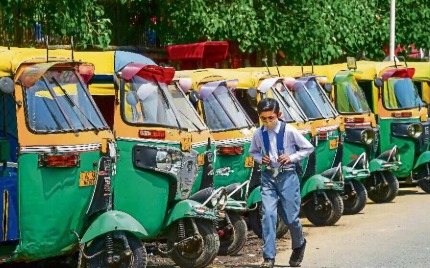
A significant disruption in the supply of Compressed Natural Gas (CNG) across Mumbai, Navi Mumbai and Thane has sparked rising concerns among daily commuters, transport operators, and industry stakeholders. The Mumbai Metropolitan Region (MMR) is heavily dependent on CNG-powered transportation, with lakhs of autorickshaws, taxis, city buses, private school vans, and app-based commercial vehicles functioning primarily on this fuel source. As a result, any interruption to its availability has a direct impact on mobility, affordability, and passenger convenience.
Reports from the affected areas indicate that multiple CNG refilling stations have either reduced dispensing hours or are witnessing exceptionally long waiting lines, leading to operational delays and panic among operators. Many drivers claimed they waited over 1 to 2 hours in queues, resulting in reduced availability of transport vehicles on the road during peak hours. Some have started limiting their trips to conserve fuel, which could worsen the availability of rides in busy hubs including business districts, railway station zones and airport corridors.
This disruption has triggered fear of fare hikes, reduced shift timings and increased travel delays. For thousands of citizens relying on autos and taxis for first-mile and last-mile connectivity, the situation poses a serious inconvenience, especially for office-goers, students, healthcare workers and elderly passengers. Meanwhile, commercial and logistics vehicles that operate within city limits may also face delayed deliveries and higher operating expenses.
Transport unions have urged authorities to take urgent corrective measures, stressing that prolonged shortage could financially strain drivers who operate on daily earnings. Mobility experts believe this incident should push cities to diversify fuel sources through electric vehicle (EV) fleets, hybrid energy systems, biogas mobility, and hydrogen-powered commercial transport. Urban planners also emphasize the need for contingency fuel management and emergency rerouting plans to prevent severe commuter distress during fuel-related disruptions.
At present, passengers are advised to plan travel with additional buffer time, consider metro and railway routes where possible, avoid unnecessary travel during peak hours, and explore ride-sharing or pooled travel options. The situation continues to be monitored, and further updates are expected as authorities work towards restoring smooth availability.
❓ FAQs
1️⃣ Which regions have been affected by the CNG supply issue?
Mumbai, Navi Mumbai and Thane within the Mumbai Metropolitan Region are facing disruptions.
2️⃣ Which vehicles are expected to be affected the most?
Autorickshaws, taxis, school transport vans, app-based ride-hailing vehicles and CNG-run public buses.
3️⃣ Will passengers face delays or fare fluctuations?
Yes, delays are expected due to long refueling queues, and fare adjustments may occur depending on fuel availability and operating hours.
4️⃣ Can commuters use alternatives?
Yes, options include metro trains, suburban local trains, BEST diesel/electric buses, carpooling, cycling, and limited EV cab services.
5️⃣ Is there a possibility of long-term impact?
If supply normalizes quickly, long-term issues may be avoided; however, recurring disruptions could trigger calls for mobility diversification.
Published on : 17th November
Published by : SMITA
www.vizzve.com || www.vizzveservices.com
Follow us on social media: Facebook || Linkedin || Instagram
🛡 Powered by Vizzve Financial
RBI-Registered Loan Partner | 10 Lakh+ Customers | ₹600 Cr+ Disbursed
SOURCE CREDIT : reported by: Anas Ali / NDTV