

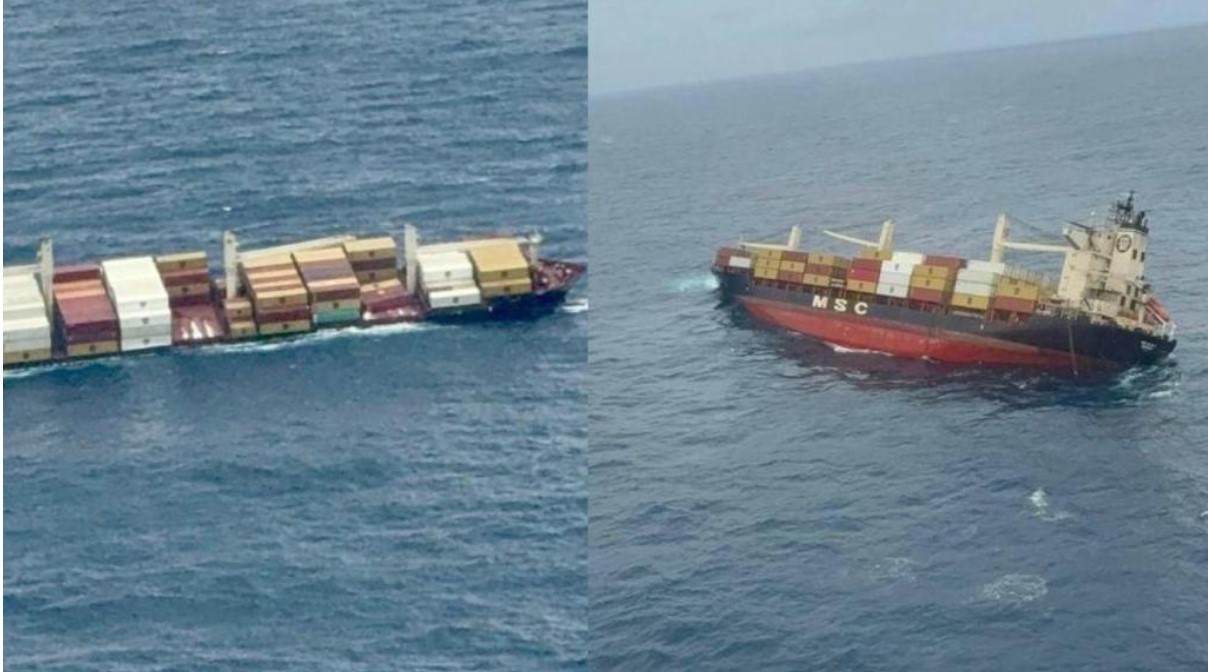
Kochi on High Alert After Vessel with Toxic Cargo Capsizes: Oil Spill Expected to Hit Coastlines Within 48 Hours
Kochi's coastal communities are on high alert following the capsizing of a container vessel loaded with toxic cargo. The vessel, which sank approximately 48 offshore, is now leaking oil and hazardous materials into the Arabian Sea, raising urgent concerns over an impending environmental crisis.
Vessel Incident Details
The container vessel reportedly capsized on May 25, under rough weather conditions. Carrying both fuel and industrial chemicals, the ship now poses a serious risk to marine ecosystems and coastal settlements. Authorities have confirmed that the oil slick is moving toward the shore and could reach the coastline within 48 hours.
Environmental and Public Health Concerns
Experts are warning that the toxic mix of cargo and oil could severely impact marine biodiversity, including fish, corals, and migratory birds. Local fishing communities face a direct threat to their livelihoods due to potential contamination of the fishing zones.
There is also growing concern about the health implications for nearby residents. Prolonged exposure to chemical fumes or contact with contaminated water can result in skin irritation, respiratory problems, and other health complications.
Emergency Response in Progress
The Indian Coast Guard, along with the Kerala State Pollution Control Board, has deployed containment booms and oil skimmers to minimize the spread of the spill. Drone surveillance and satellite imaging are being used to track the spill’s trajectory.
Additionally, disaster response teams are on standby, and public advisories have been issued warning residents to avoid affected beaches and coastal waters.
Impact on Local Communities
Fishing has been temporarily halted in multiple coastal regions. Tourism businesses, especially along beaches like Fort Kochi and Cherai, are bracing for cancellations. Local authorities are preparing for clean-up operations and may evacuate vulnerable coastal settlements if contamination worsens.
Preventive and Long-Term Measures
The incident has reignited calls for stronger maritime safety regulations and environmental safeguards, particularly for cargo ships carrying hazardous materials. Environmental watchdogs are urging for better emergency preparedness and stricter enforcement of shipping standards along Indian coasts.
Frequently Asked Questions (FAQ)
Q1: What caused the vessel to capsize?
A: Preliminary reports suggest bad weather and possible equipment failure. A detailed investigation is currently underway by maritime authorities.
Q2: What chemicals or materials were on board?
A: While an official cargo list has not yet been released, the vessel was reportedly carrying industrial solvents and petroleum-based products.
Q3: Which areas are most at risk?
A: Coastal regions around Kochi, including Fort Kochi, Vypin, Cherai, and nearby fishing zones, are considered high-risk zones.
Q4: How is the government responding?
A: Containment operations have been launched. Authorities are monitoring the spread of the spill, and cleanup crews are being mobilized along the coast.
Q5: Is it safe to visit or swim in Kochi’s beaches?
A: As a precaution, residents and tourists are advised to avoid all beach activity until further notice from local health and disaster management agencies.
Q6: What long-term damage could this cause?
A: Potential long-term effects include marine habitat destruction, reduced fish populations, beach contamination, and economic loss for coastal businesses.
Conclusion:
This unfolding environmental disaster off the coast of Kochi serves as a stark reminder of the urgent need for stringent maritime safety laws and rapid response mechanisms. Coastal residents are urged to stay informed through official channels as efforts continue to contain the spill and prevent further damage.
Published on : May 25, 2025
Uploaded by : PAVAN