

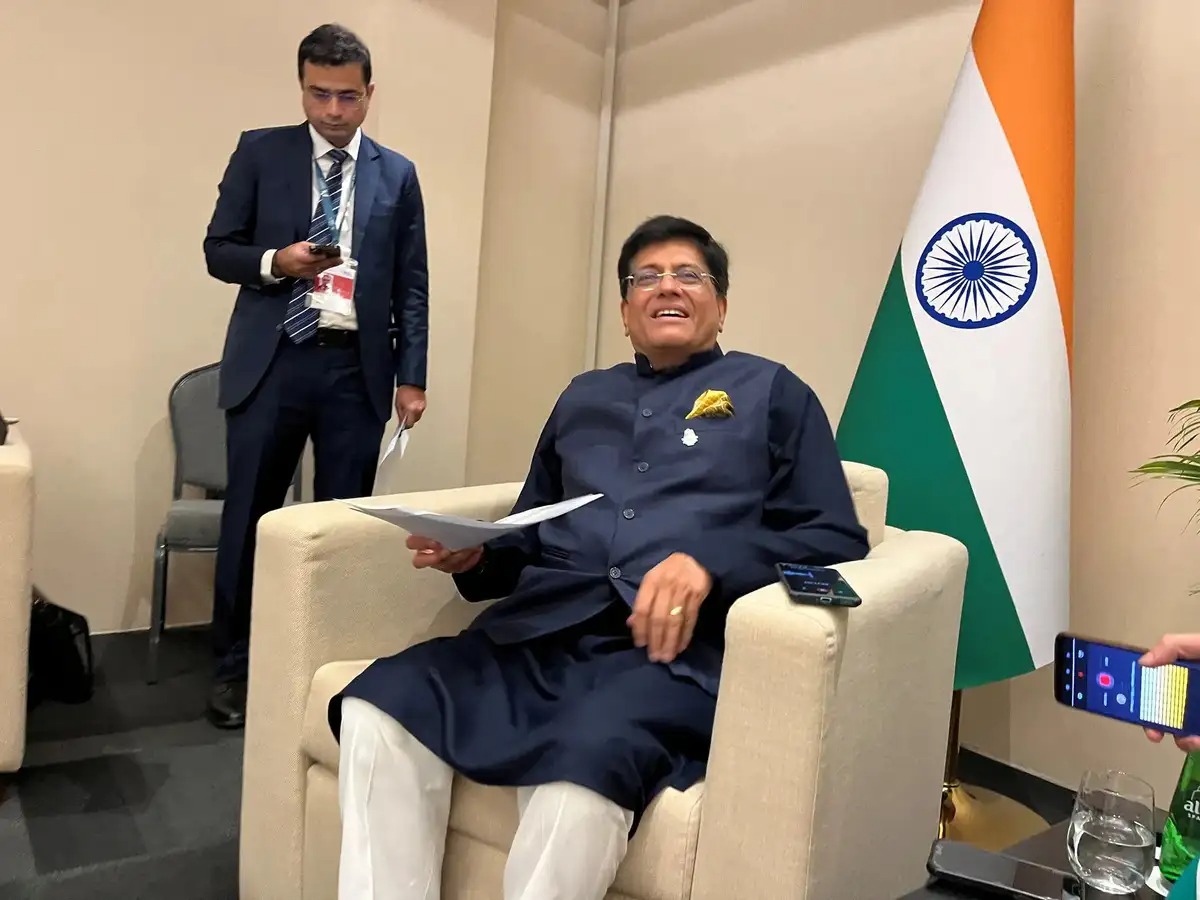
India’s trade relations with the United States have always been a focal point for economic policymakers. With the Commerce Minister’s upcoming visit to the US, startups, exporters, and industry leaders are closely watching for developments that could shape bilateral trade, investment flows, and market access.
Key Objectives of the Visit
Strengthening Bilateral Trade
The Commerce Minister aims to discuss tariff reductions, market access for Indian goods, and trade facilitation measures, particularly for sectors like textiles, IT, pharmaceuticals, and electronics.
Supporting Startups
Talks may focus on easier visa regimes, investor-friendly policies, and tech collaboration, which could help Indian startups expand into the US market or attract US-based investments.
Boosting Exports
Indian exporters hope for measures that reduce barriers, simplify customs procedures, and improve logistics efficiency to strengthen supply chains between the two countries.
Promoting Investment
India aims to attract foreign direct investment (FDI) in key sectors including green energy, semiconductors, fintech, and manufacturing.
Strengthening Strategic Ties
Beyond trade, the discussions may cover technology transfer, R&D collaboration, and joint innovation initiatives, creating long-term opportunities for Indian businesses.
Potential Benefits for Startups and Exporters
Market Access Expansion
Startups in software, SaaS, and emerging tech sectors could find it easier to enter the US market. Exporters could access new buyers and contracts, particularly in niche sectors.
Investment Opportunities
Enhanced investor confidence could lead to venture capital inflows, joint ventures, and cross-border partnerships.
Policy Clarity & Trade Facilitation
Any agreements on tariff rationalization, simplified documentation, or reduced customs duties would help small and medium exporters reduce costs and expand volumes.
Technology & Innovation Collaboration
Startups focused on AI, biotechnology, and renewable energy could benefit from tech partnerships, knowledge exchange, and co-development opportunities.
Challenges and Considerations
Regulatory Alignment: Differences in labor, environmental, and data regulations may require negotiation before benefits materialize.
Geopolitical Factors: Global trade tensions, domestic political dynamics, or US trade policies may influence final outcomes.
Implementation Timeline: Agreements often take months or years to take effect fully, so startups and exporters may need to plan strategically.
FAQs
Q1. When is the Commerce Minister visiting the US?
The visit is scheduled in the coming weeks (specific dates to be announced by the Ministry).
Q2. Which sectors are likely to benefit the most?
Startups in tech, AI, biotech, and fintech, as well as exporters in textiles, pharmaceuticals, and electronics, are expected to see the biggest impact.
Q3. Will tariffs be reduced as a result of the talks?
Negotiations may include tariff rationalization, but concrete measures depend on final agreements.
Q4. How will startups benefit?
Through easier market access, potential visa facilitation, investment inflows, and opportunities for tech partnerships.
Q5. Are these talks part of a larger trade strategy?
Yes, they align with India’s broader aim to strengthen US ties, attract investment, and boost exports under ongoing bilateral trade frameworks.
Published on : 20th September
Published by : SMITA
www.vizzve.com || www.vizzveservices.com
Follow us on social media: Facebook || Linkedin || Instagram
🛡 Powered by Vizzve Financial
RBI-Registered Loan Partner | 10 Lakh+ Customers | ₹600 Cr+ Disbursed
https://play.google.com/store/apps/details?id=com.vizzve_micro_seva&pcampaignid=web_share