

CONTENT
Congress’ Karnataka Power Struggle: A Crisis With No Easy Way Out
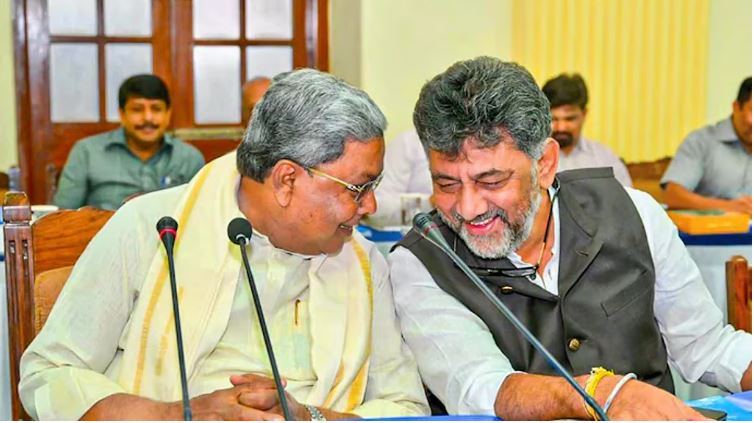
The Congress government in Karnataka is navigating a turbulent political phase marked by factional battles, governance challenges, and pressure from the national high command. While the party enjoys strong electoral ground in the state, growing internal disagreements have created a fragile ecosystem where every decision triggers backlash within the leadership structure.
This situation presents a major dilemma for the high command: how to maintain stability without alienating powerful state-level leaders.
The Root of the Conflict
Karnataka politics within the Congress has historically revolved around competing power centers. The current administration continues to witness friction over:
Cabinet reshuffle demands
Leadership role clarity between key factions
Resource allocation and district-level dominance
Decision-making autonomy vs central supervision
The leadership tussle is not purely ideological; it stems from political dominance, future electoral positioning, and regional influence.
High Command’s Tightrope Walk
The national leadership must balance two conflicting priorities:
| Political Priority | Risk if Ignored |
|---|---|
| Rewarding loyal faction leaders | Alienation from grassroots power blocks |
| Maintaining central control | Perception of interfering in state autonomy |
| Ensuring governance stability | Electoral fallout in 2026 & Lok Sabha elections |
Every move risks upsetting another faction, making any change politically expensive.
Impact on Governance & Public Perception
While internal party negotiations continue, governance delivery and public policy execution face delays. Karnataka voters expect:
Faster welfare execution
Stronger economic policy
Infrastructure & employment growth
If political turbulence continues, public sentiment may shift, affecting future elections.
Why There Is No Shortcut to a Solution
The crisis is not about replacing individuals—it is structural.
| Issue | Why It’s Hard to Fix |
|---|---|
| Multiple power centers | Each leader has strong grassroots backing |
| High command pressure | Decisions seen as top-down interference |
| Coalition of factions | Balancing representation is complex |
| Electoral roadmap ahead | Risking instability before major polls |
Any major reshuffle could deepen existing cracks instead of solving them.
FAQs
1. What is causing the internal crisis in Congress Karnataka?
The crisis stems from leadership competition, factional dominance, cabinet allocation concerns, and balancing autonomy with high command control.
2. How does this affect Karnataka's governance?
Delays in decision-making, stalled reforms, resource disagreements, and shifting administrative focus impact policy execution and public services.
3. Can the high command impose a solution?
Yes, but doing so risks alienating powerful regional leaders and weakening election strategy.
4. How does this connect to financial and economic growth?
Political instability affects investor confidence, state spending, and policy implementation—areas that influence financial institutions and lending ecosystems.
5. What outcomes are possible?
Either a negotiated compromise, delayed reshuffle, leadership restructuring, or prolonged status quo.
source credit : Ramu Patil
Published on : 23th November
Published by : RAHAMATH
www.vizzve.com || www.vizzveservices.com
Follow us on social media: Facebook || Linkedin || Instagram
🛡 Powered by Vizzve Financial
RBI-Registered Loan Partner | 10 Lakh+ Customers | ₹600 Cr+ Disbursed