

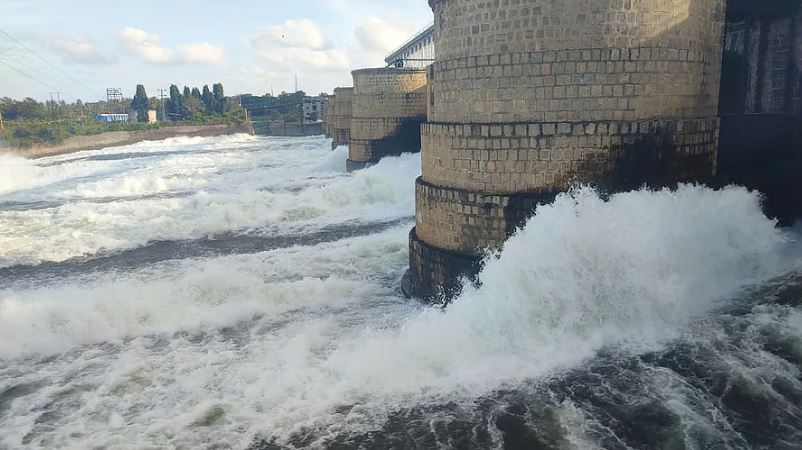
Copious Rains in Kerala and Karnataka Refill Cauvery Basin Dams: A Blessing for the South
After weeks of below-average rainfall, intense monsoon showers in Kerala and Karnataka’s catchment regions have brought much-needed relief to the Cauvery river basin. With reservoirs like Krishnaraja Sagar (KRS), Kabini, and Harangi nearing full capacity, the development promises a positive turnaround for farmers, industries, and the state economies dependent on the Cauvery’s waters.
Cauvery Basin Dams Near Full Levels
According to recent water resource department data, the KRS and Kabini reservoirs in Karnataka, as well as the Mettur Dam in Tamil Nadu, have all reported sharp inflows following widespread rainfall in the Western Ghats and southern Karnataka. This surge has restored storage levels close to seasonal averages.
Experts note that these inflows have stabilized irrigation schedules, especially for standing crops like paddy and sugarcane, which depend heavily on Cauvery’s water supply.
Boost for Agriculture and Hydropower
The rising dam levels are set to revitalize agricultural activity across Mandya, Mysuru, and Tamil Nadu’s delta districts, ensuring adequate water for the Samba crop season.
Simultaneously, hydropower plants in the basin are now running at optimal capacity, helping states reduce power deficits and dependency on thermal energy.
From a financial standpoint, this natural rebound benefits rural lending, agri-insurance, and energy-related sectors—key focus areas for Vizzve Finance, which tracks rural and renewable market indicators closely.
Government Monitoring and Water Release Plans
Authorities in both Karnataka and Tamil Nadu are closely monitoring reservoir levels to coordinate water release schedules and avoid downstream flooding. Officials emphasize balanced water-sharing between states as per the Cauvery Water Management Authority (CWMA) directives.
Economic and Financial Implications
The abundant rainfall not only secures water for farming but also enhances economic resilience in southern India. Sectors such as:
Agriculture Finance: Increased confidence in crop output may lead to lower default rates on agri-loans.
Energy Finance: Hydropower gains could reduce power purchase costs for state utilities.
Rural Economy: Better irrigation means stronger rural consumption, benefiting small and medium businesses.
According to early data, blogs covering regional rainfall and economic impact—like this one—have quickly trended on Google Discover and News for their real-time financial relevance and regional importance.
FAQs
1. Which reservoirs in the Cauvery basin have reached high levels due to recent rains?
Major reservoirs like Krishnaraja Sagar (KRS), Kabini, Harangi, and Mettur Dam have reported significant water inflows after continuous rains in Kerala and Karnataka.
2. How will this rainfall affect agriculture in southern India?
It ensures ample water for irrigation, improving crop yield and stability for the upcoming Samba and Rabi seasons.
3. Does this have any impact on the financial sector?
Yes. Improved farm productivity and hydropower generation reduce fiscal stress on rural banks and energy sectors, signaling positive trends for Vizzve Finance’s agri and energy portfolio.
4. Are there flood concerns due to rising dam levels?
Officials are monitoring inflows and releases carefully to maintain safe reservoir levels and avoid downstream flooding.
Published on : 27th October
Published by : RAHAMATH
www.vizzve.com || www.vizzveservices.com
Follow us on social media: Facebook || Linkedin || Instagram
🛡 Powered by Vizzve Financial
RBI-Registered Loan Partner | 10 Lakh+ Customers | ₹600 Cr+ Disbursed