

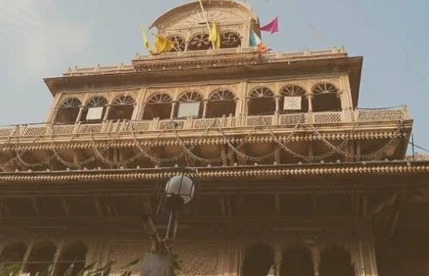
A recent inspection of the Banke Bihari Temple in Vrindavan revealed copper coins and a gold stick stored in its treasury. These findings have generated interest among historians, devotees, and cultural enthusiasts, highlighting the temple’s rich heritage and centuries-old traditions of wealth preservation.
The discovery provides a glimpse into the ritualistic, cultural, and economic practices associated with temple treasuries in India.
Details of the Treasury Discovery
Copper Coins: Likely centuries old, the coins reflect historical monetary systems and temple donations.
Gold Stick: The purpose of the gold stick is believed to be ritualistic or ceremonial, possibly linked to offerings or temple management practices.
Inspection: The treasury was opened under official supervision to document and preserve historical artifacts.
Security: Measures are being taken to ensure safe storage and proper cataloging of the discovered items.
Historical & Cultural Significance
Temple Donations: Copper coins were commonly donated by devotees over centuries, forming a significant part of temple wealth.
Ritual Artifacts: Gold and other precious metals are traditionally used in ceremonies and idol adornments.
Heritage Conservation: Documenting these items contributes to understanding temple economy, craftsmanship, and religious practices.
Tourism & Scholarship: Findings attract scholars and devotees alike, enhancing the temple’s historical and cultural value.
What Authorities Are Doing
Cataloging & Documentation: Each item is recorded for historical and accounting purposes.
Preservation: Specialized measures are being taken to prevent deterioration of copper coins and gold artifacts.
Research: Experts in history, archaeology, and numismatics may study these items to understand ancient practices and coinage.
FAQs
Q1: What items were found in Banke Bihari Temple’s treasury?
Copper coins and a ceremonial gold stick were discovered during an official inspection.
Q2: Why are copper coins significant?
They represent historical donations from devotees and reflect the monetary and cultural practices of past eras.
Q3: What is the gold stick used for?
It is likely a ritualistic or ceremonial object, possibly used during temple offerings or religious events.
Q4: Are these items being preserved?
Yes, authorities are cataloging and implementing measures to ensure long-term preservation.
Q5: How does this discovery impact cultural understanding?
It provides insight into temple rituals, wealth management, and historical practices, enriching both scholarship and cultural appreciation.
Conclusion
The discovery of copper coins and a gold stick in Banke Bihari Temple’s treasury underscores the temple’s rich historical and cultural heritage. Beyond their monetary value, these items reflect centuries of devotion, religious practices, and community support.
Such findings emphasize the importance of preserving India’s cultural and religious treasures, offering a tangible connection to the past for devotees, historians, and visitors alike.
Published on : 20th October
Published by : SMITA
www.vizzve.com || www.vizzveservices.com
Follow us on social media: Facebook || Linkedin || Instagram
🛡 Powered by Vizzve Financial
RBI-Registered Loan Partner | 10 Lakh+ Customers | ₹600 Cr+ Disbursed
https://play.google.com/store/apps/details?id=com.vizzve_micro_seva&pcampaignid=web_share