

Could an Israeli Strike on Iran’s Nuclear Sites Trigger a Radiation Leak or Explosion?
Tensions between Israel and Iran have once again escalated, with growing speculation over the possibility of Israeli airstrikes targeting Iran's nuclear facilities. As global observers monitor the situation, a pressing question arises: could such a strike result in a nuclear explosion or a dangerous radiation leak?
Can a Military Strike Cause a Nuclear Explosion?
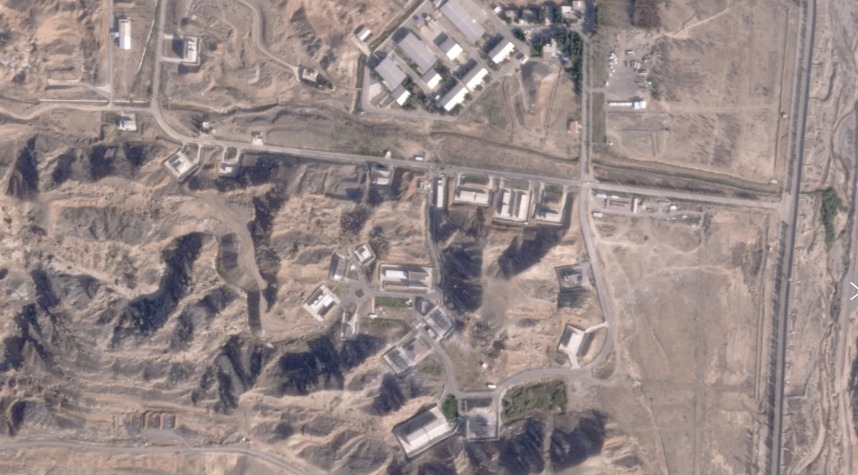
It’s important to clarify that nuclear reactors and enrichment facilities are not the same as nuclear weapons. Iran’s nuclear sites, such as Natanz and Fordow, are designed for uranium enrichment and power generation—not weapon detonation.
A direct strike on these facilities would not cause a nuclear explosion like a bomb, since there is no warhead or critical mass of fissile material configured to detonate. However, it could lead to conventional explosions—especially if fuel rods or gas centrifuges are struck—and potentially severe environmental consequences.
Risk of Radiation Leakage
While a nuclear explosion is unlikely, the risk of radiation leaks is real. Damaging reactor sites, uranium storage facilities, or waste handling units could release radioactive material into the surrounding environment.
Such an event could:
Contaminate air, soil, and water in the region.
Lead to long-term health effects for nearby populations, including cancer and genetic disorders.
Require international emergency response and cleanup similar to post-Fukushima or Chernobyl scenarios—albeit on a smaller scale.
Precedents and Expert Opinions
Israel has previously targeted nuclear programs in Iraq (Osirak, 1981) and Syria (Deir ez-Zor, 2007). Both were successful in disabling facilities without triggering radiation disasters—but those were in earlier stages of development and less fortified.
Iran’s nuclear infrastructure is:
More widespread, with underground bunkers.
Better defended, increasing the risk of escalation.
Likely to have safety measures that, if damaged, could fail catastrophically.
Nuclear non-proliferation experts warn that attacks on operating facilities like the Bushehr Nuclear Power Plant, which contains spent fuel, pose a serious radiological threat if containment structures are breached.
Global Implications
A strike on nuclear assets could:
Prompt Iranian retaliation, possibly region-wide conflict.
Involve civilian casualties and environmental fallout.
Draw condemnation and involvement from global powers and international watchdogs like the IAEA.
Conclusion
An Israeli attack on Iran's nuclear sites is unlikely to produce a nuclear explosion but could cause a dangerous radiation leak, depending on the target and method of attack. The geopolitical stakes are enormous, and the consequences—both environmental and humanitarian—could extend far beyond the initial strike zone
FAQ
1. Can a military strike on a nuclear facility cause a nuclear explosion?
No. A nuclear explosion requires a warhead with weapons-grade fissile material configured to detonate. Iran’s nuclear facilities are not equipped for this, so while conventional explosions may occur, a nuclear detonation is virtually impossible.
2. What happens if radioactive material is released during an airstrike?
If storage units, fuel rods, or reactor components are damaged, radioactive substances could escape. This could lead to environmental contamination, health hazards for nearby populations, and require extensive international containment and cleanup efforts.
3. Which Iranian nuclear sites are at the highest risk?
Key facilities like Natanz, Fordow, and the Bushehr Nuclear Power Plant are often cited as potential targets. Bushehr, being a functioning power plant, poses the most serious risk in terms of radioactive contamination.
4. Has Israel attacked nuclear facilities in other countries before?
Yes. Israel has carried out preemptive strikes on Iraq’s Osirak reactor in 1981 and Syria’s suspected nuclear reactor in Deir ez-Zor in 2007. Both attacks were aimed at halting nuclear weapons development and did not cause radiation leaks.
5. What are the international laws around striking nuclear sites?
Under the Geneva Conventions and international humanitarian law, attacking nuclear facilities carries serious legal and ethical implications, especially due to potential civilian harm. However, enforcement and accountability remain politically complex.
6. Could an attack trigger a regional or global conflict?
Yes. A strike could provoke retaliation by Iran, potentially drawing in allies and igniting a wider regional war. It may also lead to international diplomatic fallout and disruption of global oil markets and supply chains
Publish on JUNE 13,2025 by :selvi
www.vizzve.com || www.vizzveservices.com
Follow us on social media: Facebook || Linkedin || Instagram