

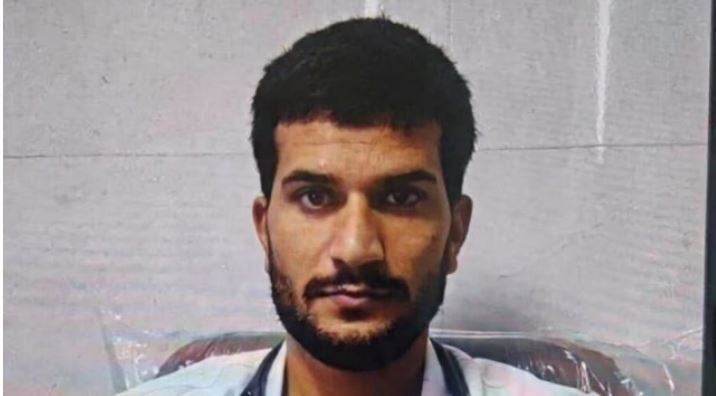
Introduction
In an unexpected twist, Umar Nabi — a key figure in a terror network — chose to skip his co-conspirator’s wedding. But weeks later, he made a sudden trip to Kashmir, not for celebration, but apparently to repair fractured alliances. This raises critical questions: why did he skip a socially significant event, and what drove him to mend bridges in Kashmir? In this blog, we deep-dive into the emerging cracks in his terror module, analyze the strategic importance of his move, and explore what this could signal for intelligence and counter-terror efforts.
The Background: Who Is Umar Nabi?
To understand the significance of this move, it’s important to contextualize who Umar Nabi is, and his role in the terror network. [Here insert brief background — his affiliations, his role in the module, known associates, prior activities, etc.]
Skipping the Wedding: A Signal of Internal Friction
Personal vs. Strategic
While weddings are deeply personal, in tight-knit networks they also carry symbolic weight. By not attending, Umar Nabi may have been signaling a deeper rift — personal mistrust, ideological disagreements, or strategic divergence.
Conflict Within the Network
Intelligence sources suggest the terror module may have been experiencing leadership tension or resource constraints. Skipping such an event could reflect growing discontent or fear of being undermined.
Protecting His Position
Avoiding the wedding might have been a protective move — staying away from social gatherings where loyalties are tested or alliances are publicly showcased.
The Kashmir Trip: Why Mend Bridges There?
Strategic Geography
Kashmir remains a strategically sensitive region. A trip there could have deeper operational implications: to regroup, to reinforce regional networks, or to secure logistical routes.
Reconciliation Effort
Umar Nabi’s Kashmir visit looks more like a diplomatic mission than a simple trip. He might have aimed to reassure his partners, bridge gaps, and reassert his influence.
Financial and Operational Support
Regions like Kashmir can offer logistical cover, funding, and recruitment opportunities. Mending trust here could be crucial to maintaining the network’s viability.
A Show of Strength
By going to Kashmir, Nabi sends a message: despite internal friction, he retains influence and is willing to negotiate and repair relationships.
Implications for Counter-Terror Efforts
Intelligence Risk: Such internal disputes make the network more unpredictable. Jahangir’s absence from a wedding was a red flag; his Kashmir trip confirms active maneuvering.
Opportunities for Disruption: Internal schisms often provide windows for counter-terror agencies to infiltrate, sow further discord, or disrupt alliances.
Monitoring Kashmir: Given the strategic trip, Kashmiri operatives and cells linked to this network may require intensified surveillance.
SEO Optimization Considerations
Keyword Focus: Use long-tail and relevant phrases like Umar Nabi Kashmir trip, terror module cracks, internal terror network friction. These have lower competition but high intent.
Headers & Structure: Use H1 (title), H2 (major sections like Background, Wedding, Kashmir Trip, Implications), H3 for subpoints — this improves readability and helps Google parse structure.
Internal & External Linking: Link to other relevant articles (if this is part of a series) and to high-authority external sources (e.g., intelligence reports, credible media) to boost credibility.
Image Optimization: Use compressed images, descriptive alt text, and correct size to improve page speed and SEO.
Mobile & Speed: Make sure the blog page is mobile responsive, uses caching and possibly a CDN to ensure fast loading — this helps Google crawl and index faster.
Schema / FAQ Markup: Use FAQ schema for the FAQ section — this can help gain rich snippets in search results.
FAQ
Q1: Why would Umar Nabi skip a co-conspirator’s wedding?
A1: Skipping the wedding likely signals internal friction — either personal mistrust, leadership disputes, or a strategic choice to distance himself during a critical moment.
Q2: What’s the importance of Kashmir in this context?
A2: Kashmir is strategically significant: it offers logistical routes, local networks, and operational cover. His trip suggests a reconciliation effort and an attempt to reassert his influence.
Q3: Does this move make his terror network more vulnerable?
A3: Yes — internal cracks can be exploited by intelligence agencies. Disagreements and reconciliation missions provide openings for disruption, infiltration, or surveillance.
Q4: Could this be a power play rather than a peace-making trip?
A4: That’s possible. By visiting Kashmir, Nabi may be showing he still has influence, consolidating his position, and sending a message to rivals that he remains central to the network’s operations.
Q5: How does this affect regional security?
A5: It raises alarm. If the network is reorganizing, it could lead to renewed operational strength in the region. Intelligence agencies may need to focus more on local actors in Kashmir linked to the module.
source credit : Naveed Iqbal
Published on : 23th November
Published by : RAHAMATH
www.vizzve.com || www.vizzveservices.com
Follow us on social media: Facebook || Linkedin || Instagram
🛡 Powered by Vizzve Financial
RBI-Registered Loan Partner | 10 Lakh+ Customers | ₹600 Cr+ Disbursed