

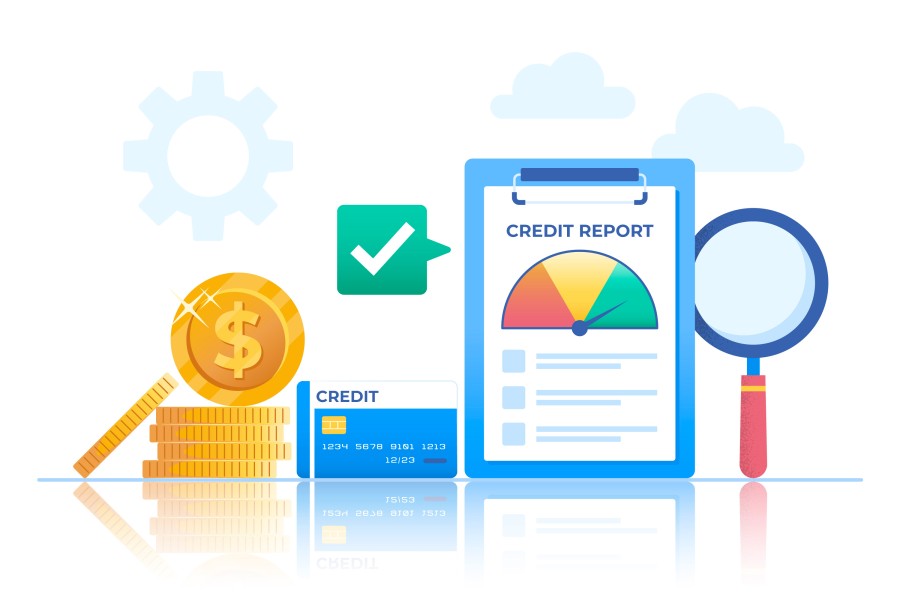
Credit Appraisal – Learn Everything About It
Credit appraisal is a crucial process carried out by banks and financial institutions to evaluate the creditworthiness and financial capacity of individuals or businesses applying for loans or credit products. This evaluation helps lenders determine the risk associated with lending money and decide whether to approve or reject the application.
The primary goal of credit appraisal is to assess the applicant’s ability and willingness to repay the loan, ensuring responsible lending and minimizing the chances of default.
What Is Credit Appraisal?
Credit appraisal, also called credit assessment or credit evaluation, involves a comprehensive review of a borrower's financial history, income, outstanding debts, employment stability, and credit score. This detailed analysis helps lenders understand if the applicant has sufficient resources and discipline to repay the loan on time.
Credit Appraisal Process
The credit appraisal process typically involves the following steps:
Application Review: The lender collects the loan or credit application and verifies all submitted details to check for completeness and authenticity.
Documentation Check: Verification of supporting documents such as identity proof, income statements, bank statements, credit reports, and address proof.
Credit and Financial Assessment: Analysis of the borrower’s credit score, credit history, debt obligations, income stability, and financial statements to assess repayment capacity.
Risk Assessment: Lenders evaluate the risk involved in approving the loan based on market conditions, borrower profile, and credit trends.
Lending Decision: Based on the appraisal, the application is either approved, rejected, or sent back for additional information.
Loan Terms & Agreement: Upon approval, lenders set the loan amount, interest rate, tenure, and other conditions, and draft a loan agreement.
Eligibility Criteria for Credit Appraisal
Financial institutions use specific eligibility parameters during credit appraisal, such as:
A strong credit history with timely repayments and no major defaults.
Verified and stable income and employment status supporting repayment capability.
A reasonable debt-to-income ratio, ensuring existing liabilities are manageable.
Clear and authentic documentation without discrepancies.
Benefits of Credit Appraisal
Establishes the creditworthiness of a borrower to help lenders make informed decisions.
Helps in risk mitigation, minimizing the incidence of bad loans or defaults.
Promotes transparency and accountability in the lending process.
Enables lenders to determine suitable loan limits, interest rates, and repayment terms.
Protects both lenders and borrowers by ensuring loans are given responsibly.
Encourages prudent lending practices, strengthening the overall financial system stability.
Frequently Asked Questions
What is the main purpose of credit appraisal?
It is conducted to assess if the borrower can repay the loan safely and on time, helping lenders minimize credit risk.
Does credit appraisal affect loan approval time?
Yes, thorough credit appraisal may take a few days but ensures a responsible lending decision.
What documents are necessary for credit appraisal?
Identity proof, address proof, income proof (salary slips, ITRs), bank statements, and credit reports are typically required.
Can the credit appraisal result vary between lenders?
Yes, different lenders have varying criteria and risk appetites, so appraisal outcomes may differ.
Is credit appraisal done only for loans?
It is done for all credit products including loans, credit cards, overdraft facilities, and other borrowings.
How can borrowers improve their credit appraisal chances?
Maintain a good credit score, keep debts manageable, submit accurate documents, and demonstrate stable income.
Published on: July 23, 2025
Published by: PAVAN
www.vizzve.com || www.vizzveservices.com
Follow us on social media: Facebook || Linkedin || Instagram
🛡 Powered by Vizzve Financial
RBI-Registered Loan Partner | 10 Lakh+ Customers | ₹600 Cr+ Disbursed