

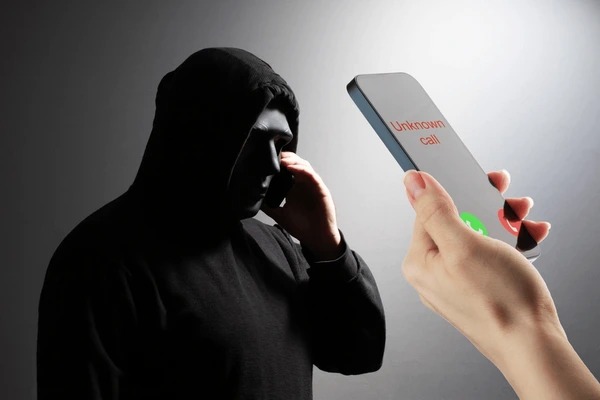
Rising Credit Card Phone Scams
With digital payments on the rise, credit card phone scams are becoming increasingly common. Fraudsters use calls, messages, or phishing attempts to trick cardholders into revealing sensitive information like OTPs (One-Time Passwords) or CVVs (Card Verification Values).
Sharing these details can lead to unauthorized transactions, identity theft, and significant financial loss. Awareness and caution are the first steps to protection.
How Credit Card Phone Scams Work
Fake Bank Calls or Messages:
Fraudsters impersonate banks or financial institutions, claiming issues with your account.
Request for OTPs or CVVs:
Scammers may ask you to confirm a “transaction” using your OTP or CVV.
Phishing Links and Apps:
Links sent via SMS or email can steal card details when entered into fake sites or apps.
Social Engineering Tactics:
Fraudsters create urgency or fear, such as claiming your account is blocked, to pressure you into revealing information.
Why Sharing OTPs or CVVs Is Risky
Immediate Access to Funds: Fraudsters can complete transactions instantly using OTPs or CVVs.
Identity Theft: Information can be used to open new accounts or take loans in your name.
Hard to Recover Money: Once the scam occurs, recovering lost funds can be lengthy and stressful.
How to Stay Safe
Never Share OTPs or CVVs:
Banks and official apps never call or ask for these details.
Verify the Caller:
If you receive a suspicious call, hang up and contact your bank directly.
Use Official Channels Only:
Enter card details only on bank websites or trusted apps.
Enable Transaction Alerts:
SMS and email alerts help you spot unauthorized transactions immediately.
Report Scams Promptly:
Inform your bank or the Cyber Crime Cell if you suspect fraud.
Educate Yourself and Family:
Awareness is key; educate friends and family to avoid falling victim.
Conclusion
Credit card phone scams are growing in sophistication, but being cautious, verifying calls, and never sharing OTPs or CVVs can keep you safe. Protecting your financial information requires vigilance, knowledge, and prompt action if suspicious activity occurs.
FAQ
Q1: Can banks ever ask for my OTP or CVV over the phone?
No, legitimate banks never request OTPs or CVVs via phone calls or messages.
Q2: What should I do if I accidentally shared my OTP?
Immediately contact your bank, block the card, and monitor transactions for unauthorized activity.
Q3: How can I identify a scam call?
Look for urgency, unknown numbers, grammatical errors, or requests for personal financial info.
Q4: Are SMS links safe for transactions?
No, avoid clicking on links from unknown sources; always use official apps or websites.
Q5: How do I report a credit card scam?
Contact your bank immediately and file a report with the Cyber Crime Cell or local police.
Published on : 10th September
Published by : SMITA
www.vizzve.com || www.vizzveservices.com
Follow us on social media: Facebook || Linkedin || Instagram
🛡 Powered by Vizzve Financial
RBI-Registered Loan Partner | 10 Lakh+ Customers | ₹600 Cr+ Disbursed
https://play.google.com/store/apps/details?id=com.vizzve_micro_seva&pcampaignid=web_share