

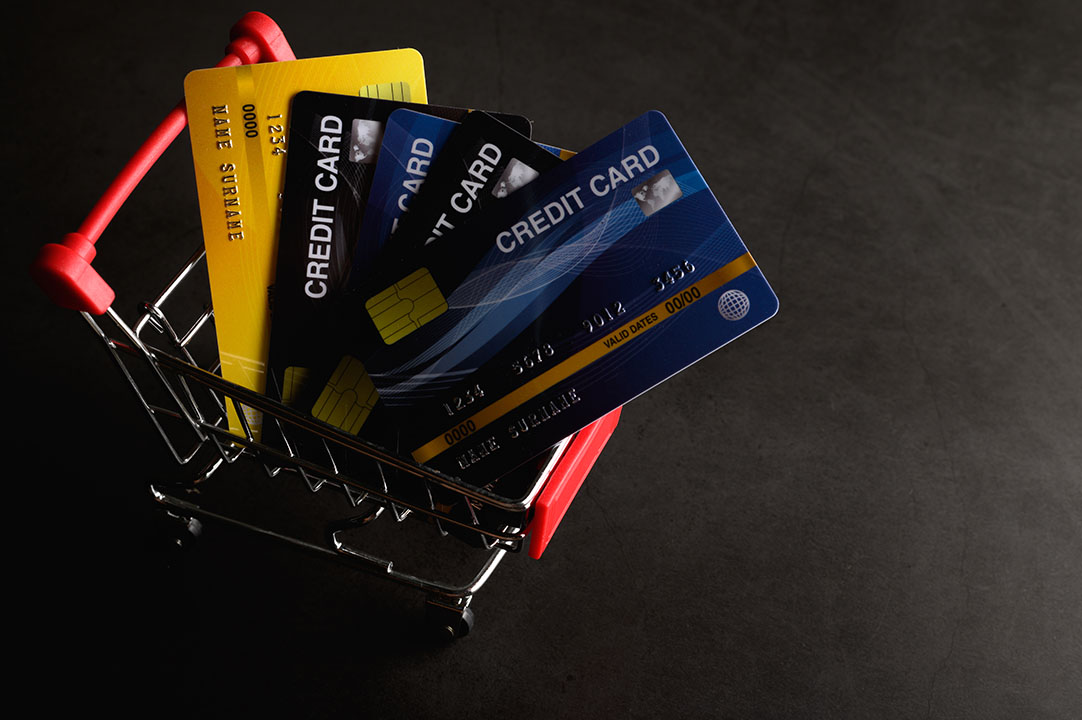
Credit cards can be powerful financial tools—but for beginners, they can also feel confusing. From rewards and interest rates to EMIs and credit scores, understanding how credit cards work is key to using them responsibly.
This guide explains everything a newcomer needs to know about credit cards, helping you make smart financial choices.
1. What Is a Credit Card?
A credit card is a financial tool issued by banks or fintechs that lets you borrow money up to a predetermined limit for purchases, bill payments, or cash withdrawals.
You repay the borrowed amount monthly.
Interest is charged on unpaid balances beyond the grace period.
Tip: Always pay your full statement balance to avoid interest.
2. Types of Credit Cards
| Type | Features | Ideal For |
|---|---|---|
| Standard Credit Card | Basic features, low annual fee | First-time users |
| Rewards Credit Card | Points, cashback on purchases | Frequent shoppers |
| Travel Credit Card | Air miles, travel benefits | Travelers |
| Premium Credit Card | Exclusive offers, concierge, higher limits | High-income users |
| Co-branded Card | Partner benefits (e.g., airlines, e-commerce) | Brand loyal customers |
3. Key Terms Every Beginner Should Know
Credit Limit: Maximum spending allowed.
EMI Option: Convert large purchases into monthly payments.
Grace Period: Time to pay full balance without interest.
Annual Fee: Yearly charge for using the card.
Interest Rate (APR): Percentage charged on unpaid balances.
4. Beginner-Friendly Usage Tips
Pay Full Balance Each Month – Avoid high-interest charges.
Use Within Your Budget – Keep credit utilization below 30–40% of your limit.
Track Expenses – Use mobile apps or statements to monitor spending.
Choose the Right Card – Pick one aligned with your lifestyle (shopping, travel, cashback).
Build Credit Score – Timely payments improve your creditworthiness.
Avoid Multiple Cards – Start with 1–2 cards until comfortable managing them.
5. Common Beginner Mistakes to Avoid
Paying only minimum balance → accrues interest.
Ignoring rewards → missing cashback or points benefits.
Overspending → increases debt stress.
Missing due dates → hurts credit score.
Conclusion
Credit cards, when used responsibly, can enhance financial flexibility, build credit, and provide rewards. For beginners, understanding terms, monitoring usage, and paying on time are crucial. Start small, choose wisely, and gradually explore more advanced features as you gain confidence.
FAQs
Q1: Can I have more than one credit card as a beginner?
Yes, but start with 1–2 cards to manage payments effectively.
Q2: What’s the best way to avoid interest charges?
Pay the full statement balance within the grace period.
Q3: How does a credit card improve credit score?
Timely payments and low credit utilization reflect positively on your credit history.
Q4: Are rewards worth choosing a credit card for?
Yes, if the card aligns with your spending habits (shopping, travel, or bills).
Q5: Can I convert purchases into EMIs?
Yes, most banks allow EMI conversion for large purchases, making payments manageable.
Published on : 12th September
Published by : SMITA
www.vizzve.com || www.vizzveservices.com
Follow us on social media: Facebook || Linkedin || Instagram
🛡 Powered by Vizzve Financial
RBI-Registered Loan Partner | 10 Lakh+ Customers | ₹600 Cr+ Disbursed
https://play.google.com/store/apps/details?id=com.vizzve_micro_seva&pcampaignid=web_share