

Introduction
A credit card can make everyday payments easier, provide access to short-term credit and offer benefits such as rewards, cashback, discounts or travel-related privileges. But a credit card is not free money. It is a form of credit that must be repaid according to the card's terms.
For responsible users, a credit card can be a convenient payment tool. For users who repeatedly carry unpaid balances, interest and other charges can make purchases significantly more expensive.
In India, credit card issuers operate under regulatory requirements set by the Reserve Bank of India (RBI). RBI's Master Direction on Credit Card and Debit Card – Issuance and Conduct Directions, 2022, updated through March 7, 2024, covers areas including issuance, billing, interest and charges, credit limits, closure, grievance handling and customer protection.
This guide explains how credit cards work, their different types, important charges, advantages and disadvantages, RBI protections, and practical ways to use them responsibly.
AI Answer Box: What Is a Credit Card?
A credit card is a payment card that allows an eligible customer to make purchases using a credit facility provided by the card issuer.
Instead of immediately deducting money from a bank account, the transaction is generally added to the cardholder's outstanding balance. The cardholder receives a statement and must pay the amount according to the billing terms.
A credit card can provide:
- Convenient cashless payments
- A revolving credit facility
- Rewards or cashback on eligible transactions
- Interest-free periods when the full applicable bill is paid on time, subject to the card's terms
- EMI conversion options on eligible transactions
- Additional benefits such as travel or lifestyle privileges
The key point is simple: paying the full billed amount by the due date is generally the safest way to avoid finance charges on purchases, subject to the card issuer's terms.
What Is a Credit Card?
A credit card is a financial product issued by a bank or eligible financial institution that allows customers to access a predetermined credit limit.
For example, suppose a card has a ₹50,000 credit limit.
If you spend ₹10,000 on eligible purchases, your available limit may reduce accordingly. Once you make the required payment, the available credit can be restored according to the issuer's process.
Simple Example
Credit limit: ₹50,000
Purchase: ₹8,000
Remaining available limit: Approximately ₹42,000
If the customer pays the applicable bill, the available credit is restored according to the issuer's payment processing.
The exact treatment can vary by issuer and transaction type.
How Does a Credit Card Work?
The basic credit card process is straightforward:
Application → Approval → Credit Limit → Purchase → Monthly Statement → Payment
Step 1: Apply for a Card
You submit an application to a card issuer.
The issuer may assess factors such as:
- Income
- Existing credit obligations
- Credit history
- Credit score
- Employment or business details
- Age
- Internal eligibility criteria
Step 2: Receive a Credit Limit
If approved, the issuer assigns a credit limit.
The limit depends on the issuer's assessment and applicable policies.
Step 3: Make Purchases
You can use the card for eligible transactions through:
- Online shopping
- Physical stores
- Restaurants
- Travel bookings
- Subscription services
- Utility payments
- Other permitted transactions
Step 4: Receive Your Statement
The issuer generates a monthly statement showing transactions and amounts due.
A statement may include:
- Total amount due
- Minimum amount due
- Payment due date
- Previous balance
- New transactions
- Fees
- Interest or finance charges, where applicable
- EMI details, where applicable
Step 5: Pay the Bill
The cardholder can make the payment using the methods provided by the issuer.
Paying the full applicable amount by the due date can help avoid interest on eligible purchases, subject to the card's terms.
Types of Credit Cards in India
Different credit cards are designed for different spending patterns.
| Type | Main Purpose | Common Benefits |
|---|---|---|
| Cashback Card | Everyday spending | Cashback |
| Rewards Card | General purchases | Reward points |
| Travel Card | Frequent travellers | Travel rewards and benefits |
| Fuel Card | Fuel expenses | Fuel-related benefits |
| Shopping Card | Retail purchases | Discounts and rewards |
| Dining Card | Restaurants | Dining offers |
| Premium Card | High-value users | Premium privileges |
| Secured Card | Credit-building | Usually backed by a deposit |
| Business Card | Business expenses | Business-focused features |
| Co-branded Card | Partner brand spending | Brand-specific rewards |
The actual benefits, fees and eligibility requirements differ by issuer.
Cashback Credit Cards
Cashback cards return a portion of eligible spending according to the card's terms.
For example, a card might provide different cashback rates for:
- Online shopping
- Food delivery
- Groceries
- Utility payments
- Selected merchants
However, cashback programs often have:
- Monthly limits
- Category restrictions
- Exclusions
- Minimum transaction requirements
- Redemption conditions
Therefore, the headline cashback percentage should not be the only factor considered when comparing cards.
Rewards Credit Cards
Rewards cards generally provide points for eligible spending.
Points may potentially be redeemed for:
- Shopping vouchers
- Merchandise
- Travel benefits
- Statement credits
- Other options specified by the issuer
Before choosing a rewards card, check:
- How points are earned.
- Whether different categories have different earning rates.
- Expiry rules.
- Redemption value.
- Annual fee.
- Excluded transactions.
Travel Credit Cards
Travel-focused cards may provide benefits such as:
- Travel reward points
- Airline-related benefits
- Hotel benefits
- Airport lounge access
- Foreign transaction-related features
- Travel insurance or protection, where applicable
Frequent travellers should compare the actual value of these benefits against annual fees and other charges.
Secured Credit Cards
A secured credit card may be offered against a fixed deposit or another form of security, depending on the issuer's product structure.
Such cards can be considered by people who:
- Have limited credit history
- Want to establish responsible credit behaviour
- May not qualify for some unsecured cards
The specific terms vary by issuer.
Credit Card vs Debit Card
One of the most common financial questions is the difference between credit cards and debit cards.
| Feature | Credit Card | Debit Card |
|---|---|---|
| Source of money | Credit facility | Bank account balance |
| Payment timing | Paid later | Generally deducted from account |
| Credit limit | Yes | Usually linked to available account balance |
| Interest | Can apply to unpaid balances | Generally not applicable to ordinary purchases |
| Rewards | Often available | Depends on bank/card |
| Credit history | Can affect credit profile | Usually not a borrowing account |
| Overspending risk | Higher | Generally limited by available funds |
Which One Should You Use?
It depends on your financial habits.
A debit card uses money already available in your account, while a credit card gives access to a credit facility that must be repaid.
Important Credit Card Charges
Understanding fees is one of the most important parts of responsible card usage.
1. Annual Fee
Some cards charge an annual or membership fee.
Some products may waive the fee if spending conditions are met.
2. Interest or Finance Charges
If the applicable outstanding amount is not paid as required, finance charges can apply according to the card's terms.
The RBI requires card issuers to disclose applicable annualized rates and relevant charging methodology.
3. Late Payment Charges
A late payment may result in charges according to the issuer's terms.
The amount and conditions should be checked in the card's terms and monthly statement.
4. Cash Advance Charges
Using a credit card to withdraw cash can involve:
- Cash advance fees
- Interest or finance charges
- Other applicable costs
Cash withdrawals can therefore be considerably more expensive than ordinary purchases.
5. Foreign Currency Charges
International transactions can involve foreign currency conversion and other applicable charges.
Always check the card's schedule of charges before using it internationally.
6. GST and Applicable Taxes
Certain card fees and charges may attract applicable taxes.
What Is the Minimum Amount Due?
The minimum amount due is the minimum payment specified by the issuer that must be paid by the due date to meet the stated payment requirement.
However, paying only the minimum amount can leave a substantial balance unpaid.
RBI has specifically required issuers to warn customers about the consequences of making only minimum payments. Its guidance notes that paying only the minimum amount can stretch repayment over years and increase interest costs.
Example
Suppose your statement shows:
Total amount due: ₹30,000
Minimum amount due: ₹1,500
Paying ₹1,500 does not mean the remaining ₹28,500 has disappeared.
The remaining amount may continue to attract applicable finance charges according to the card's terms.
Practical rule: If financially possible, paying the full applicable statement amount by the due date is generally preferable to repeatedly carrying a balance.
What Is a Credit Card Billing Cycle?
A billing cycle is the period during which transactions are accumulated before a statement is generated.
For example:
Billing period → Statement generated → Due date → Payment
The exact dates differ by issuer.
Important Dates to Understand
- Statement date
- Payment due date
- Transaction date
- EMI conversion date
- Reward posting date
Knowing these dates helps avoid accidental late payments.
What Is the Interest-Free Period?
Many credit cards offer a grace or interest-free period on eligible purchases when the applicable previous balance has been paid as required.
The length of this period depends on the card issuer and transaction timing.
It is important to understand that the interest-free period is not the same as a guaranteed period for every type of transaction.
Cash advances, balance transfers and certain other transactions can have different treatment.
Credit Card and CIBIL Score
Credit card behaviour can influence your credit profile.
Factors that can matter include:
- Payment history
- Credit utilisation
- Outstanding balances
- Number and age of credit accounts
- New credit applications
- Overall credit behaviour
Responsible Habits
- Pay bills on time.
- Avoid repeatedly using most of your available limit.
- Monitor your credit report.
- Avoid unnecessary applications.
- Keep track of all outstanding balances.
A credit card itself is not automatically good or bad for a credit profile. The effect depends substantially on how the account is managed.
What Is Credit Utilisation?
Credit utilisation refers to how much of your available revolving credit is being used.
Example
Total available credit: ₹1,00,000
Outstanding balance: ₹20,000
The utilisation is:
20%
High utilisation over time can be viewed as a sign of greater reliance on revolving credit by credit-scoring models, although scoring systems use multiple factors.
RBI Credit Card Rules and Customer Protection
The RBI's Master Direction provides a framework for credit card issuers operating in India. The rules cover areas including issuance, credit limits, billing, interest and charges, closure, unsolicited cards, grievance handling and customer protection.
1. Unsolicited Credit Cards
RBI rules prohibit issuers from issuing unsolicited credit cards.
If a card is issued without consent, the customer should not activate it or provide consent through OTP or another mechanism. RBI's FAQ states that if the customer does not consent to activation, the issuer is required to close the account without cost within seven working days from the date of seeking confirmation.
2. Credit Limit Changes
RBI rules address credit-limit increases and require customer consent for such increases in applicable circumstances.
Issuers must also assess the customer's overall credit exposure when determining credit limits.
3. Clear Disclosure of Charges
Card issuers must provide clear information about applicable charges and interest rates.
The RBI framework requires disclosure of annualized rates and important terms so customers can understand the cost of credit.
4. EMI Transparency
If a credit card transaction is converted into an EMI, the issuer must clearly disclose relevant components such as principal, interest and any upfront discount.
The RBI has stated that an EMI involving interest should not be presented as a "zero-interest" or "no-cost" EMI without transparent disclosure of the underlying interest component.
Benefits of Credit Cards
Credit cards can provide several practical benefits when used responsibly.
1. Convenience
They allow customers to make payments without carrying cash.
2. Rewards
Some cards provide reward points, cashback or discounts.
3. Short-Term Credit
A credit card can provide temporary access to credit between the purchase date and payment date.
4. Expense Tracking
Monthly statements can help organise spending.
5. Credit History
Responsible repayment can contribute to a positive credit history.
6. Additional Features
Depending on the card:
- Lounge access
- Travel benefits
- Dining offers
- Shopping discounts
- EMI options
- Purchase protection
may be available.
Risks and Disadvantages of Credit Cards
Credit cards also have potential drawbacks.
1. High Cost of Revolving Credit
Carrying unpaid balances can become expensive because finance charges may accumulate.
2. Overspending
Easy access to credit can encourage spending beyond a person's budget.
3. Fees
Annual, late-payment, cash-advance and other charges may apply.
4. Debt Accumulation
Multiple cards can make it difficult to track total obligations.
5. Fraud Risk
Card details can be targeted by fraudsters.
6. Credit Profile Impact
Late payments and excessive credit utilisation can negatively affect credit history.
Credit Card Pros and Cons
| Pros | Cons |
|---|---|
| Convenient payments | Can encourage overspending |
| Rewards and cashback | Interest can be costly |
| Short-term credit facility | Multiple fees may apply |
| Helps track expenses | Late payments can hurt credit history |
| Can support credit history | Cash withdrawals can be expensive |
| Additional travel/lifestyle benefits | Fraud and security risks |
How to Choose a Credit Card
There is no single credit card that is suitable for everyone.
Instead, match the card with your spending pattern.
Compare These Factors
| Factor | What to Check |
|---|---|
| Annual Fee | Is it free or paid? |
| Reward Rate | How many points per ₹100 spent? |
| Cashback | Which categories qualify? |
| Credit Limit | Is it appropriate for your needs? |
| Interest Rate | What APR/finance charges apply? |
| Late Fee | What happens after the due date? |
| Foreign Transaction Fee | Important for international spending |
| Lounge Access | Check eligibility and limits |
| EMI | Check interest and processing charges |
| Reward Redemption | Understand actual value |
| Exclusions | Identify transactions that earn no rewards |
Step-by-Step Guide to Applying for a Credit Card
Step 1: Check Your Eligibility
Review the issuer's:
- Age requirements
- Income requirements
- Employment criteria
- Credit history requirements
- Location criteria
Step 2: Check Your Credit Report
Review your credit information before applying.
Look for:
- Incorrect accounts
- Unknown enquiries
- Incorrect outstanding amounts
- Missed-payment information
Step 3: Compare Cards
Do not select a card only because it advertises high rewards.
Compare the complete cost and benefits.
Step 4: Read the Terms
Check:
- Annual fee
- Interest rate
- Late charges
- Cash withdrawal charges
- Foreign transaction charges
- Reward conditions
- EMI terms
Step 5: Submit the Application
Provide accurate information and documents requested by the issuer.
Step 6: Activate and Secure the Card
After receiving the card:
- Set a secure PIN.
- Enable transaction alerts.
- Keep contact details updated.
- Never share OTPs.
- Never share CVV or PIN with callers.
How to Use a Credit Card Responsibly
A few simple habits can make a major difference.
Pay on Time
Set reminders or use available auto-payment options.
Prefer Full Payment
If financially possible, pay the full applicable statement amount rather than repeatedly carrying a balance.
Track Spending
Review your transactions regularly.
Keep Emergency Funds Separate
Do not depend entirely on credit cards for regular living expenses.
Avoid Cash Advances Unless Necessary
Cash advances can involve additional fees and finance charges.
Review Statements
Look for:
- Unknown transactions
- Unexpected fees
- Incorrect EMI entries
- Duplicate charges
How to Avoid Credit Card Debt
Create a Monthly Spending Limit
Set your own spending limit below the card's maximum available limit.
Use the Card for Planned Expenses
A card should support your budget rather than replace it.
Pay the Full Bill
Where financially possible, clear the applicable statement balance by the due date.
Avoid Multiple New Cards
Opening several cards at once can make spending harder to manage and generate multiple obligations.
Do Not Chase Rewards
Never spend more just to earn cashback or reward points.
A ₹1,000 unnecessary purchase is still a ₹1,000 expense even if it earns rewards.
Credit Card Security Tips
Credit card fraud can happen through phishing, fake calls, malicious websites or compromised payment details.
Follow These Rules
- Never share OTPs.
- Never share your PIN.
- Never share CVV with unknown callers.
- Use official banking applications.
- Avoid suspicious links.
- Check transaction alerts.
- Report unauthorised transactions immediately.
- Block the card if you suspect compromise.
RBI's credit card framework includes requirements relating to customer protection and fraud-related controls.
Credit Card EMI: What You Should Know
Credit card purchases may sometimes be converted into EMIs.
However, "no-cost EMI" should not automatically be interpreted as "there is no financial cost anywhere."
Before accepting an EMI offer, check:
- Principal amount
- Interest component
- Processing fee
- GST or applicable taxes
- Upfront discount
- Tenure
- Total repayment amount
RBI requires transparent disclosure of the principal, interest and applicable upfront discount for credit-card EMI conversions.
Expert Commentary: What Matters More Than Rewards?
For most users, the most important credit card feature is not the reward rate. It is the total cost of using the card.
A card offering attractive cashback may not provide good value if its annual fee, spending conditions, exclusions or redemption rules reduce the actual benefit.
A useful evaluation method is:
Net Value = Rewards Received − Annual Fee − Relevant Charges
The calculation should also consider whether the card's benefits match your real spending habits.
Real-World Credit Card Example
Imagine a person spends ₹25,000 each month on:
- Groceries: ₹8,000
- Online purchases: ₹5,000
- Fuel: ₹4,000
- Dining: ₹3,000
- Other expenses: ₹5,000
Instead of choosing a card simply because it advertises a high reward rate, the user should check whether the card rewards these particular spending categories.
If most rewards are offered on categories the person rarely uses, the advertised reward rate may have little practical value.
This is why actual spending behaviour matters more than promotional headlines.
Credit Card vs Personal Loan
| Feature | Credit Card | Personal Loan |
|---|---|---|
| Type | Revolving credit | Usually fixed-term loan |
| Repayment | Monthly statement | EMI schedule |
| Usage | Flexible purchases | Usually disbursed as a loan |
| Interest | Can apply to carried balances | Charged according to loan terms |
| Tenure | Revolving | Fixed |
| Suitable for | Regular short-term transactions | Larger planned borrowing |
| Cost | Depends on card usage and charges | Depends on interest rate and fees |
A person considering borrowing should compare the total cost, repayment schedule and purpose of borrowing rather than focusing only on the monthly payment.
Credit Card Trends in India
The Indian credit card ecosystem has increasingly become part of digital payments and consumer finance.
Important developments include:
Digital Applications
Many issuers provide online application and verification processes.
Contactless Payments
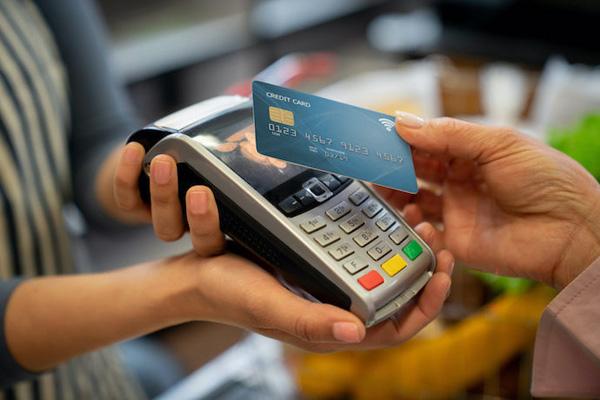
Contactless card payments can make small transactions faster where supported.
Mobile Card Management
Banking apps increasingly allow users to:
- Freeze cards
- View transactions
- Make payments
- Change settings
- Manage limits
- Redeem rewards
Co-Branded Cards
Cards linked with airlines, retailers, e-commerce platforms and other businesses provide category-specific benefits.
Greater Consumer Disclosure
RBI's regulatory framework continues to focus on transparency, customer consent and protection.
AI Summary Box: Credit Cards at a Glance
Credit cards provide access to a pre-approved credit facility that can be used for eligible purchases. Customers receive periodic statements and must make payments according to the card's terms.
Best practice: Use the card within your budget, monitor transactions, pay on time and understand all fees and interest charges.
Main benefits: Convenience, rewards, cashback, short-term credit and potential credit-history benefits.
Main risks: Interest costs, late fees, overspending, debt accumulation and fraud.
RBI protection: India's credit card framework includes requirements around customer consent, disclosures, credit limits, billing, EMI transparency and grievance handling.
Key Takeaways
- A credit card is a credit facility, not free money.
- Always understand the card's interest rates, fees and billing cycle.
- Paying the full applicable statement amount on time can help avoid finance charges on eligible purchases.
- Paying only the minimum amount can leave a balance outstanding and increase the cost of borrowing.
- Credit utilisation and payment history can affect your credit profile.
- Compare cards based on actual spending patterns rather than advertisements alone.
- Cashback and rewards are useful only when the card's overall economics make sense.
- Avoid unnecessary cash advances.
- Never share your PIN, CVV or OTP.
- Review every monthly statement.
- RBI rules provide important customer protections for credit card users.
- Read the issuer's current terms because fees, rewards and eligibility conditions can change.
Vizzve Financial – Loan Support for Your Financial Needs
Vizzve Financial is one of India's trusted loan support platforms offering quick personal loans, low documentation, and an easy approval process. Apply at www.vizzve.com.
Financial products are subject to eligibility, lender approval, applicable fees, interest rates and terms. Customers should review the complete terms before applying.
Frequently Asked Questions About Credit Cards
1. What is a credit card?
A credit card is a payment instrument linked to a credit facility that allows an eligible customer to make purchases and repay the amount according to the issuer's terms.
2. How does a credit card work?
The issuer provides a credit limit. Eligible purchases reduce available credit, and the customer receives a statement showing the amount payable and due date.
3. What is a credit card limit?
A credit limit is the maximum outstanding amount that the issuer permits on the card, subject to the issuer's terms and applicable rules.
4. What is the minimum amount due on a credit card?
It is the minimum payment specified in the monthly statement that must be paid by the due date. Paying only the minimum can leave an unpaid balance and lead to additional finance charges.
5. Is it better to pay the full credit card bill?
Where financially possible, paying the full applicable statement amount by the due date can help avoid finance charges on eligible purchases, subject to the card's terms.
6. Does a credit card affect CIBIL score?
Credit card repayment behaviour, utilisation and other credit factors can affect a person's credit profile.
7. What is credit utilisation?
Credit utilisation is the proportion of available revolving credit that is currently being used.
8. What are the main credit card charges?
Depending on the card, charges can include annual fees, finance charges, late-payment fees, cash advance fees, foreign transaction charges and other applicable fees.
9. What is a cashback credit card?
A cashback credit card provides cashback on eligible transactions according to the card's reward rules.
10. What is a rewards credit card?
A rewards credit card provides points or other benefits for eligible spending.
11. Can I withdraw cash using a credit card?
Some credit cards allow cash advances, but these can involve fees and finance charges. Customers should check the card's current terms before using this facility.
12. What is a credit card billing cycle?
It is the period during which transactions are accumulated before the issuer generates a statement.
13. What is a credit card due date?
The due date is the date by which the required payment must reach the issuer according to the monthly statement.
14. Can a bank issue a credit card without consent?
RBI rules prohibit unsolicited credit cards. Customers should not activate an unsolicited card or provide consent through OTP or another mechanism.
15. What should I do if I see an unauthorised credit card transaction?
Contact the card issuer through its official channels immediately, report the transaction, follow the issuer's security instructions and block the card if necessary.
Conclusion
Credit cards can be useful financial tools when they are used with discipline. They can simplify payments, provide rewards and offer short-term access to credit. At the same time, unpaid balances, fees and excessive spending can make credit expensive.
The best approach is to understand the complete cost of a card before applying, select a product that matches your spending habits, pay bills on time and monitor your credit usage.
RBI's credit card framework provides important consumer protections, including requirements related to consent, disclosures, credit limits, billing and EMI transparency.
For readers looking for personal loan support, Vizzve Financial provides loan support services with quick processing and low documentation. Visit www.vizzve.com to learn more and review applicable eligibility and terms.
Published on : 20th september
Published by : Bhargavi
www.vizzve.com || www.vizzveservices.com
Follow us on social media: Facebook || Linkedin || Instagram
🛡 Powered by Vizzve Financial
RBI-Registered Loan Partner | 10 Lakh+ Customers | ₹600 Cr+ Disbursed