

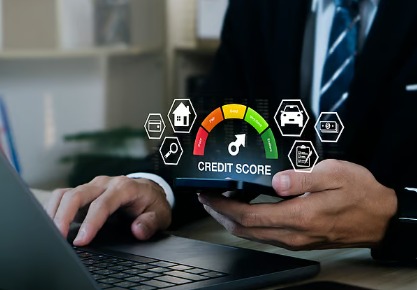
A good credit score is the backbone of financial health, influencing everything from loan approvals to interest rates. Unlike short-term financial wins, a sustainable credit score is built over time and can support you throughout life — whether buying a home, applying for a car loan, or even renting an apartment.
Why a Sustainable Credit Score Matters
Lower Borrowing Costs: Lenders reward high credit scores with lower interest rates and better terms.
Quick Loan Approvals: Banks and NBFCs consider credit scores as a primary eligibility factor, speeding up approvals.
Better Financial Opportunities: High scores increase eligibility for premium credit cards, higher loan amounts, and exclusive offers.
Insurance & Employment Benefits: Certain insurance policies and even employer background checks factor in creditworthiness.
Key Steps to Build a Lifelong Credit Score
1. Pay Your Bills on Time
Timely payments are the most critical factor in credit scoring. Even one missed payment can negatively impact your score.
Tip: Set up auto-pay or reminders for credit cards, loans, and utility bills.
2. Maintain Low Credit Utilization
Credit utilization is the ratio of your credit used vs. total credit limit. Keeping it below 30% signals responsible borrowing.
Tip: Spread spending across multiple cards or pay off balances before statement cycles.
3. Avoid Frequent Credit Applications
Each new credit application results in a hard inquiry, which can temporarily lower your score. Apply only when necessary.
4. Keep Old Accounts Active
The length of your credit history positively influences your score. Maintain older accounts to show long-term responsible usage.
5. Diversify Your Credit Mix
A healthy credit mix — credit cards, personal loans, home loans, and auto loans — shows you can manage different types of debt responsibly.
6. Regularly Monitor Your Credit Report
Check your credit report for errors or fraudulent activity. You can request free annual reports from credit bureaus like CIBIL, Experian, Equifax, and CRIF Highmark.
Tip: Dispute errors promptly to prevent unnecessary score drops.
7. Plan Major Borrowing Strategically
Before applying for large loans:
Check your credit score
Ensure timely repayments on existing debts
Avoid opening new credit accounts in the 6–12 months prior
Common Mistakes to Avoid
Paying only minimum credit card amounts
Ignoring small loans or utility payments
Frequently closing old accounts
Overspending on credit during festive seasons
FAQ
1. What is a good credit score in India?
A score above 750–800 is considered excellent. Scores between 650–749 are good, while below 600 may require improvement.
2. How long does it take to build a good credit score?
With consistent, responsible behavior, a good score can be built in 6–12 months, while a sustainable lifetime score requires ongoing diligence.
3. Do all loans impact credit scores equally?
No. Timely repayment of secured loans (home or auto) positively impacts scores, while defaults on credit cards or unsecured loans can be more damaging.
4. Can checking my own credit score reduce it?
No. Soft inquiries (checking your own score) do not affect your credit score. Only hard inquiries by lenders do.
5. How can I recover a damaged credit score?
Pay off overdue amounts, maintain low credit utilization, and monitor reports for errors. Recovery can take 6–12 months with consistent behavior.
Published on : 7th October
Published by : SMITA
www.vizzve.com || www.vizzveservices.com
Follow us on social media: Facebook || Linkedin || Instagram
🛡 Powered by Vizzve Financial
RBI-Registered Loan Partner | 10 Lakh+ Customers | ₹600 Cr+ Disbursed
https://play.google.com/store/apps/details?id=com.vizzve_micro_seva&pcampaignid=web_share