

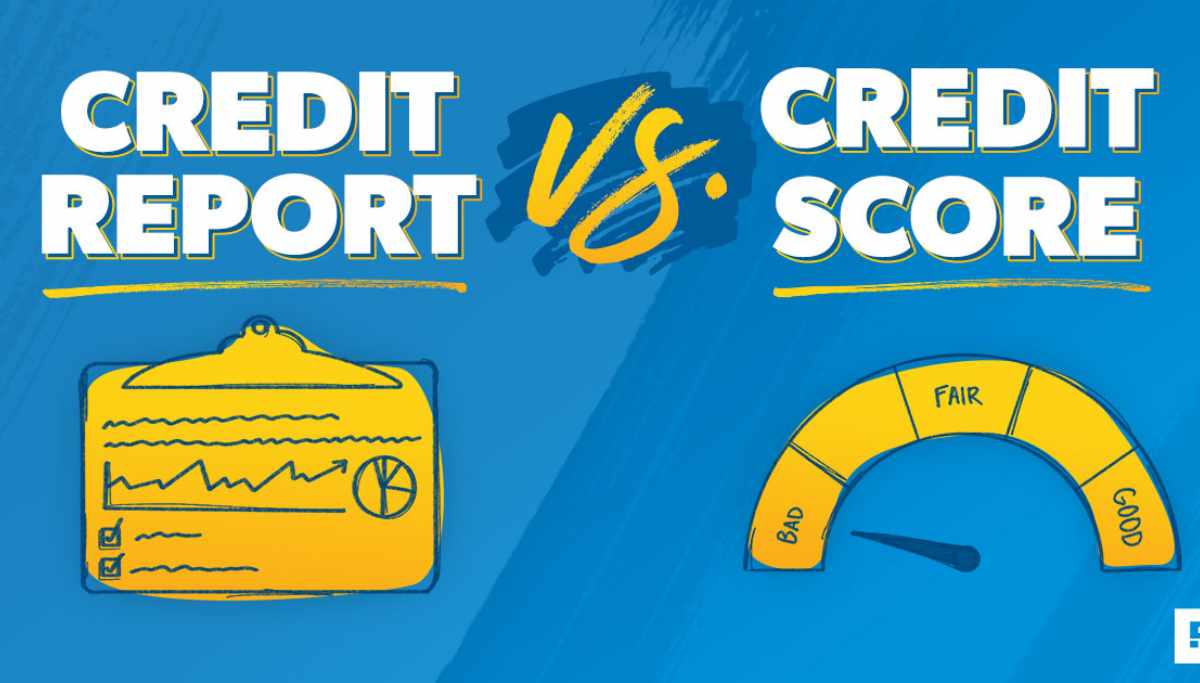
When applying for loans or credit cards, lenders consider both your credit score and credit remarks. While most people focus on the score, remarks—like late payments or defaults—can significantly impact your eligibility.
This guide explains the difference between credit score and credit remarks, and which is more important for borrowers.
1. What Is a Credit Score?
A numerical representation of your creditworthiness, usually ranging from 300 to 900 in India.
Factors affecting credit score:
Payment history (35%)
Credit utilization ratio (30%)
Length of credit history (15%)
Credit mix (10%)
New credit inquiries (10%)
Higher score → easier approvals, lower interest rates
2. What Are Credit Remarks?
Credit remarks are notes on your credit report that explain anomalies or issues, such as:
Late payment
Default or settlement
Overdue EMIs
Account written off
They provide context beyond the numeric score and are visible to lenders.
3. Credit Score vs Credit Remarks: Which Matters More?
| Factor | Impact |
|---|---|
| Credit Score | Determines general eligibility and loan interest rates |
| Credit Remarks | Can override score in case of serious issues, affecting approval decisions |
| Example | High score but multiple late payment remarks → may face loan rejection |
| Key Takeaway | Both are important; remarks explain the “why” behind the score |
Insight: Lenders often look at remarks for risk assessment, even if your score seems good.
4. How to Maintain Both
Pay EMIs on Time: Avoid negative remarks like late payment or default.
Keep Utilization Low: Maintain credit usage below 30–40%.
Monitor Credit Reports: Regularly check reports for discrepancies or errors.
Resolve Past Issues: Settle overdue loans and request updates to remarks if resolved.
Limit New Credit Applications: Frequent inquiries can lower your score.
5. Practical Tips for Loan Applicants
Even with a high credit score, negative remarks can delay or reduce loan approval.
If you have past issues, proactively explain them to the lender or provide additional documentation.
Use tools to track both score and remarks before applying for major loans.
Conclusion
While the credit score is a quick snapshot of your creditworthiness, credit remarks provide context that can make or break your loan application. For borrowers, maintaining a good score AND clean remarks is essential for better loan eligibility and lower interest rates.
FAQs
Q1: Can a single late payment remark affect my loan approval?
Yes, especially for high-value loans. Lenders may request explanations or collateral.
Q2: How long do negative credit remarks stay on my report?
Typically 2–7 years, depending on the severity of the issue.
Q3: Can I improve my credit remarks?
You can settle dues and request the credit bureau to update the report.
Q4: Is credit score alone enough to get loans?
No, lenders also consider remarks to understand your repayment behavior.
Q5: How often should I check my credit report?
At least once every 6 months to detect errors or negative entries early.
Published on : 12th September
Published by : SMITA
www.vizzve.com || www.vizzveservices.com
Follow us on social media: Facebook || Linkedin || Instagram
🛡 Powered by Vizzve Financial
RBI-Registered Loan Partner | 10 Lakh+ Customers | ₹600 Cr+ Disbursed
https://play.google.com/store/apps/details?id=com.vizzve_micro_seva&pcampaignid=web_share