

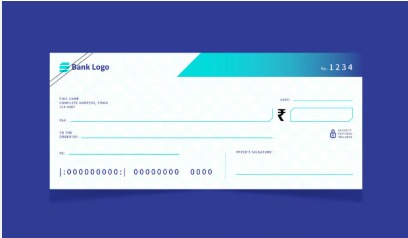
A cross cheque is one of the safest ways to transfer money through the banking system. While digital payments are popular, cheques remain widely used, especially for high-value transactions. Understanding what a cross cheque is, its types, and its significance is essential for anyone dealing with banking transactions.
What is a Cross Cheque?
A cross cheque is a cheque that has two parallel lines drawn across its top-left corner or across the cheque. The crossing signifies that the cheque cannot be immediately cashed over the counter; it must be deposited into a bank account.
Key points:
Ensures funds are transferred directly to the recipient’s bank account.
Helps reduce the risk of fraud or theft.
Commonly used for business transactions, salaries, and payments where security is important.
Types of Cross Cheques
General Crossing
Indicated by drawing two parallel lines on the cheque.
Can be deposited into any bank account.
May include the words “& Co.” or “Account Payee” for additional instructions.
Special Crossing
The cheque is crossed with the name of a specific bank.
Can only be deposited into an account at that bank.
Provides extra security, as it limits the transaction to a specified bank.
Account Payee Crossing
The cheque includes the phrase “Account Payee” between the parallel lines.
Ensures that the cheque cannot be transferred to anyone else — only the account of the named payee.
Commonly used for salary payments or business transactions.
Importance of Cross Cheques
Enhanced Security – Reduces risk of theft or fraud, as cashing over the counter is not allowed.
Traceability – Deposited funds leave a clear record in the banking system.
Legal Protection – Provides legal evidence of payment in case of disputes.
Safe Business Transactions – Preferred for large sums or official payments where security and record-keeping are essential.
Promotes Banking System Usage – Encourages electronic settlement and accountability.
Tips for Using Cross Cheques Safely
Always write clearly and avoid overwriting.
Ensure the payee’s name is correct.
Do not leave cheques unsigned or blank.
Deposit promptly to avoid delays or misuse.
Prefer account payee crossing for sensitive or large payments.
Final Thoughts
A cross cheque is a simple yet effective banking tool that combines convenience with security. Whether for salary, business, or personal transactions, using a cross cheque ensures that funds are safely transferred to the intended recipient’s account. Understanding the types and their purposes can help you make better financial decisions and prevent potential risks.
FAQs
Q1. Can a cross cheque be cashed over the counter?
No. A cross cheque must be deposited into a bank account.
Q2. What is the difference between general and special crossing?
General crossing can be deposited into any bank account, while special crossing restricts deposit to a specified bank.
Q3. What does “Account Payee” mean?
It means the cheque can only be deposited into the account of the named payee, adding extra security.
Q4. Is a cross cheque safer than a bearer cheque?
Yes. Bearer cheques can be cashed by anyone holding them, while cross cheques require deposit into an account.
Q5. Can I issue a cross cheque online?
No, cross cheques are physical instruments. For digital payments, UPI, NEFT, or RTGS are alternatives.
Published on : 7th November
Published by : SMITA
www.vizzve.com || www.vizzveservices.com
Follow us on social media: Facebook || Linkedin || Instagram
🛡 Powered by Vizzve Financial
RBI-Registered Loan Partner | 10 Lakh+ Customers | ₹600 Cr+ Disbursed