

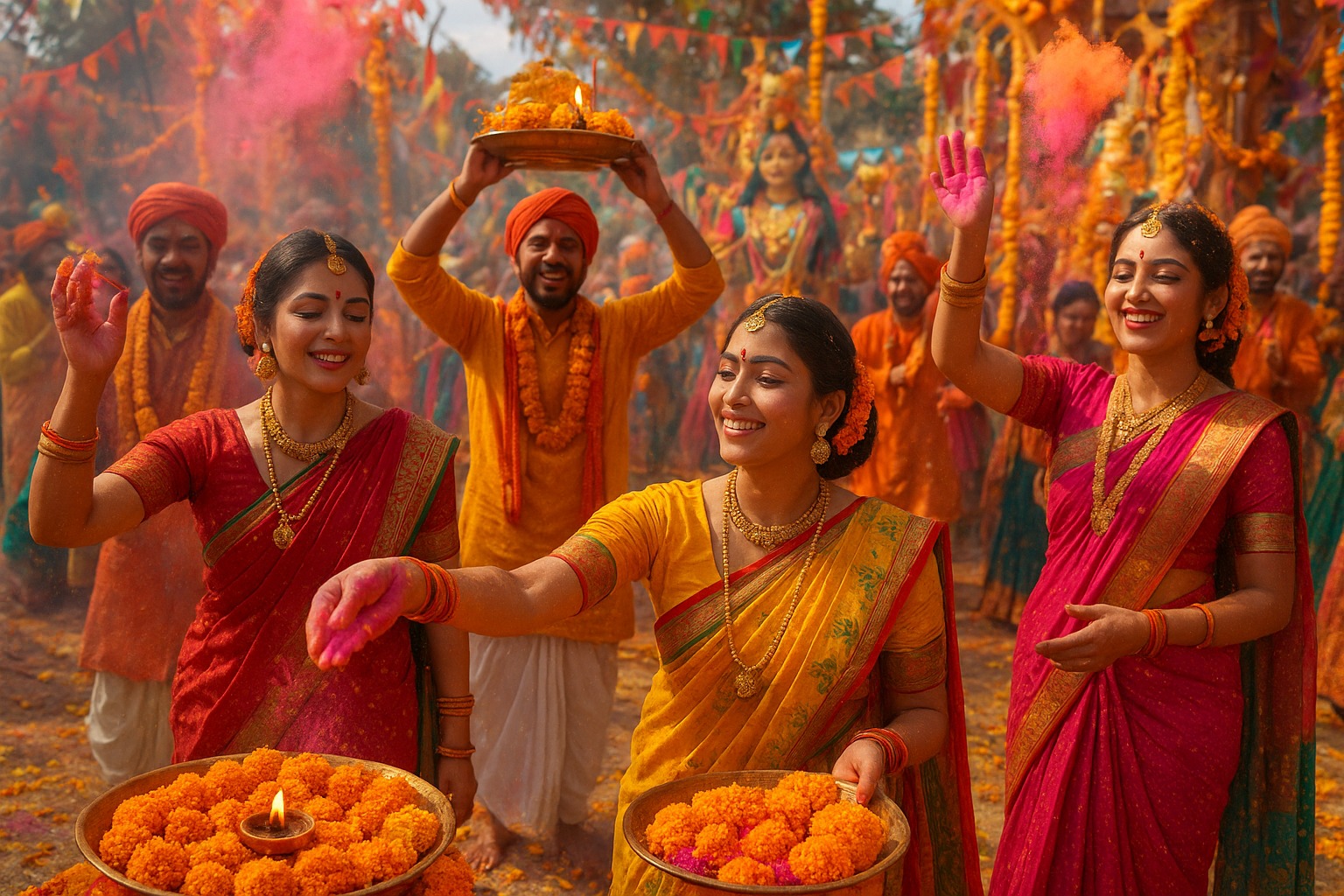
India is a land of diverse cultures and traditions, celebrated through numerous festivals. While Diwali, Holi, and Eid are widely known, many unique regional festivals remain under the radar. These festivals offer a glimpse into India’s rich heritage, customs, and local communities.
Lesser-Known Festivals in India
a. Hornbill Festival, Nagaland
Celebrated in December, showcasing tribal culture, traditional music, and dance.
Visitors can experience handicrafts, indigenous cuisine, and folk performances.
b. Phool Dei, Uttarakhand
A springtime festival where children scatter flowers around homes to bless new beginnings.
Symbolizes purity, prosperity, and the onset of the agricultural season.
c. Ladakhi Losar, Ladakh
Tibetan New Year celebrated with prayers, dances, and local feasts.
Offers insight into Buddhist traditions and local rituals.
d. Chhath Puja, Bihar & Jharkhand
Dedicated to the Sun God, performed along rivers and water bodies.
Emphasizes devotion, fasting, and environmental respect.
e. Surajkund Mela, Haryana
Annual craft fair showcasing handicrafts, folk art, and cultural performances from across India.
Celebrates traditional artisanship and regional diversity.
Importance of Lesser-Known Festivals
Preserve Cultural Heritage: Keep local traditions and rituals alive.
Promote Tourism: Offer travelers unique, authentic experiences.
Community Bonding: Strengthen social ties within communities.
Educational Value: Teach younger generations about history and customs.
Tips for Experiencing These Festivals
Plan Ahead: Check dates, local accommodations, and travel options.
Respect Local Customs: Dress appropriately and follow traditions.
Engage Locally: Participate in workshops, food tasting, and rituals.
Document Responsibly: Capture moments while being mindful of cultural sensitivity.
Conclusion
India’s lesser-known cultural festivals are treasures waiting to be explored. They reflect the country’s diversity, heritage, and spirit. By attending or learning about these festivals, travelers and locals alike can appreciate India’s vibrant culture beyond mainstream celebrations.
FAQ
Q1: Are these festivals celebrated nationwide?
No, most are regional and specific to local communities.
Q2: Can tourists participate in these festivals?
Yes, many festivals encourage visitors to join, but respectful participation is key.
Q3: When is the best time to visit these festivals?
It varies: Hornbill (December), Phool Dei (March), Ladakhi Losar (January/February), Chhath Puja (October/November).
Q4: Are these festivals religious?
Some are religious, others are cultural or seasonal, celebrating traditions and community.
Q5: How can one learn more about regional festivals?
Through local tourism boards, cultural websites, travel blogs, and guides familiar with the region.
Published on : 10th September
Published by : SMITA
www.vizzve.com || www.vizzveservices.com
Follow us on social media: Facebook || Linkedin || Instagram
🛡 Powered by Vizzve Financial
RBI-Registered Loan Partner | 10 Lakh+ Customers | ₹600 Cr+ Disbursed
https://play.google.com/store/apps/details?id=com.vizzve_micro_seva&pcampaignid=web_share