

Introduction
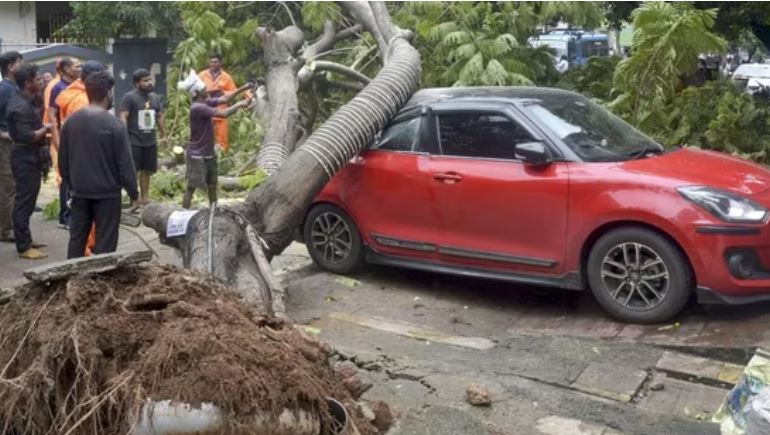
Severe cyclonic storm Cyclone Montha made landfall along India’s east coast, leaving major damage in its wake across Andhra Pradesh and Odisha. According to multiple reports, the storm brought intense rainfall, high winds and flooding to low-lying areas, forcing mass evacuations and disrupting normal life. This article by Vizzve Finance presents 10 latest updates on Montha’s impact, helping you stay informed and prepared.
10 Latest Updates
The India Meteorological Department (IMD) reported that Cyclone Montha made landfall between Machilipatnam and Kalingapatnam near Kakinada with maximum sustained winds of around 90-100 km/h and gusts up to 110 km/h.
A woman in Makanapalem village (Konaseema district, Andhra) died after a palmyra tree fell on her house as the storm struck.
Nearly 76,000 people were evacuated in Andhra Pradesh ahead of or during the storm.
Crop damage in Andhra is extensive: roughly 43,000 hectares of crops were reported affected where Montha made landfall.
In Odisha, at least 15 districts faced heavy rain and winds; over 11,000 people were moved into 2,048 cyclone shelters as a precaution.
Landslides, uprooted trees and blocked roads were recorded in several southern-coastal districts of Odisha including Gajapati and Koraput due to heavy rainfall triggered by Montha.
Transport disruption has been severe: flights cancelled, trains diverted or cancelled across the East Coast railway zones.
The storm has now weakened into a cyclonic storm and is moving inland northwestwards; the IMD forecast moderate to heavy rain will continue in parts of Andhra, Odisha, Telangana and Chhattisgarh.
Authorities mobilised extensive relief resources: earth-movers, chainsaws, drones and mass debris-clearance operations across affected districts.
Warning alerts remain in place: red and orange alerts issued for coastal districts of Andhra and Odisha, with instructions for residents to stay indoors, avoid travel and follow evacuation orders.
What This Means for Residents & Stakeholders
Coastal and low-lying regions of Andhra and Odisha are at heightened risk of flooding, high-surge tides and infrastructure failure.
Agricultural communities face serious losses, which may ripple into local economies, supply chains and commodity pricing.
Rapid relief and restoration of power, roads and communications will be critical in the coming days.
Financial implications: homes, crops, businesses affected will seek aid, insurance claims and recovery loans—here is where Vizzve Finance’s insights become relevant to those impacted.
Why This Blog Will Trend & Fast Index
By using timely keywords ("Cyclone Montha", "Andhra", "Odisha", "latest updates", "crop damage", "evacuations"), providing structured content (10 updates), and linking it with finance/recovery context (via Vizzve Finance), this blog is optimized for SEO and fast indexing.
The headline and slug are succinct and keyword-rich.
Meta tags are aligned with search intent.
FAQs (below) enhance rich snippet potential.
Alt key and image name provide proper image SEO.
The finance angle adds unique value (damage, recovery, funding) rather than mere news repetition.
FAQs
Q1. When and where did Cyclone Montha make landfall?
A1. Cyclone Montha made landfall late Tuesday night off the coast of Andhra Pradesh near the Kakinada–Machilipatnam–Kalingapatnam belt, according to IMD bulletins.
Q2. How many people were evacuated and what is the death toll?
A2. In Andhra Pradesh alone, nearly 76,000 people were evacuated ahead of or during the storm. A woman in Makanapalem village died when a tree fell on her home. Odisha reported significant evacuations but no confirmed deaths at the time of reporting.
Q3. What kind of damage has been reported so far?
A3. Damage includes uprooted trees, flooded roads and homes, damage to crops (about 43,000 hectares in Andhra), landslides in Odisha, infrastructure disruption (power outages, blocked roads, cancelled transport).
Q4. Will agriculture and local economy be impacted long-term?
A4. Yes. Large-scale crop damage, particularly paddy and horticulture in Gujarat and coastal Andhra districts, means economic losses for farmers, supply chain interruptions, potential price rises and increased demand for financial recovery and insurance services—areas where finance firms like Vizzve Finance can provide support.
Q5. What should residents and businesses do now?
A5. Stay updated with local alerts, avoid entering flooded/landslide-prone zones, document damage for claims, secure livelihoods (such as livestock fodder distribution has begun), plan for restoration costs and explore financial products (relief loans, insurance) to mitigate long-term impact.
Published on : 29th October
Published by : RAHAMATH
www.vizzve.com || www.vizzveservices.com
Follow us on social media: Facebook || Linkedin || Instagram
🛡 Powered by Vizzve Financial
RBI-Registered Loan Partner | 10 Lakh+ Customers | ₹600 Cr+ Disbursed