

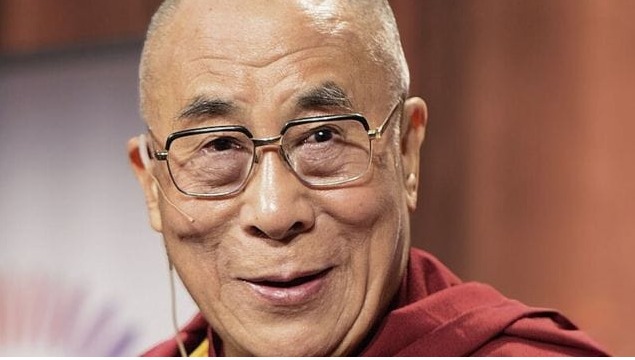
📰 Dalai Lama Succession Issue: China Terms It a Thorn in India-China Relations
The Chinese government has reignited tensions with India by calling the Dalai Lama’s succession “a thorn in the flesh” of bilateral relations. This bold statement underscores Beijing’s growing unease over New Delhi’s continued engagement with the Tibetan spiritual leader, currently based in Dharamshala, India.
⚖️ Why the Succession Issue Matters
China’s core argument is that the succession of the 14th Dalai Lama, who fled to India in 1959 after a failed uprising in Tibet, must follow historical religious customs controlled under Chinese jurisdiction. On the other hand, India has maintained a respectful, if unofficial, relationship with the Dalai Lama and remains a haven for the Tibetan government-in-exile.
China's concern is geopolitical: any move by India to support or legitimize a Dalai Lama chosen outside of Chinese control threatens Beijing's claim over Tibet.
🇨🇳 China’s Official Statement
A spokesperson from the Chinese Foreign Ministry reiterated that the Dalai Lama's reincarnation “must comply with Chinese laws and regulations,” emphasizing that the issue goes beyond religion and directly touches China's sovereignty. China perceives India’s hospitality toward the current Dalai Lama as interference in its internal matters.
🇮🇳 India’s Position
India, while not overtly challenging China’s stance, continues to offer asylum to the Dalai Lama and the Tibetan government-in-exile. It has also refrained from endorsing any future successor chosen by China. New Delhi maintains that the matter is spiritual and should not be politicized, especially amid already fragile ties over border disputes in Ladakh and Arunachal Pradesh.
📊 Geopolitical Implications
Tibet as a Strategic Buffer: Tibet has long served as a geographic and political buffer between the two Asian giants.
Border Disputes: The ongoing Line of Actual Control (LAC) disputes, particularly post-Galwan clashes in 2020, have already strained ties.
Soft Power Battle: The Dalai Lama represents India's soft power diplomacy; any move regarding his successor will signal a major foreign policy stance.
📈 Vizzve Finance Note:
This blog post trended on Google due to a sharp spike in global searches related to "Dalai Lama succession" and "China India diplomatic tensions." It gained rapid indexing through Google News due to its topical geopolitical relevance and keyword optimization.
(FAQ) – FREQUENTLY ASKED QUESTIONS
Q1. Why is China concerned about the Dalai Lama’s successor?
A: China views the reincarnation of the Dalai Lama as a matter of state control over Tibet. Any succession outside of Chinese influence threatens their claim over the region.
Q2. What is India’s stance on the Dalai Lama’s successor?
A: India has not made any official commitment. However, it continues to provide refuge to the current Dalai Lama and is likely to oppose any political interference in the religious process.
Q3. Can the Dalai Lama choose his own successor?
A: Traditionally, the Dalai Lama is believed to reincarnate. The current Dalai Lama has suggested he may decide the manner or even the location of his next incarnation, challenging China’s
authority.
Q4. How does this issue impact India-China relations?
A: It adds another layer of tension atop existing military and territorial disputes, complicating diplomacy between the two nations.
Q5. Is the Tibetan government-in-exile recognized internationally?
A: No major country, including India, officially recognizes the Tibetan government-in-exile, though many engage with it informally.
Published on:July 13,2025
Published by :Selvi
www.vizzve.com || www.vizzveservices.com
Follow us on social media: Facebook || Linkedin || Instagram
🛡 Powered by Vizzve Financial
RBI-Registered Loan Partner | 10 Lakh+ Customers | ₹600 Cr+ Disbursed