

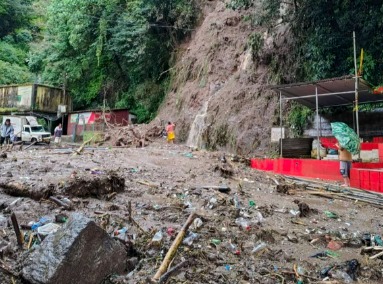
The picturesque hills of Darjeeling, known for their tea gardens and serene beauty, have been struck by severe floods and landslides following incessant rainfall. The disaster has disrupted daily life, leading to school closures, transportation breakdowns, and large-scale evacuations.
Authorities are racing to provide relief and ensure safety, while experts emphasize the need for long-term resilience planning to counter climate-related disasters increasingly impacting the Himalayan region.
Impact of the Floods and Landslides
Over the past few days, record-breaking rainfall has caused flash floods and landslides across Darjeeling and surrounding areas like Kalimpong, Kurseong, and Mirik.
Major roads have been blocked, and communication lines have suffered significant disruption.
Key impacts include:
School Closures: All schools and colleges have been ordered shut for safety until further notice.
Transport Disruption: Landslides have blocked the NH-10 highway connecting Siliguri to Gangtok.
Power and Water Supply Interruptions: Heavy rainfall damaged pipelines and electrical infrastructure.
Evacuations: Several families have been relocated to temporary shelters in low-risk zones.
Government and Local Response
The West Bengal Disaster Management Department and local authorities have launched swift rescue and relief operations with support from the National Disaster Response Force (NDRF) and Indian Army.
Relief measures include:
Rescue Operations: Evacuation of stranded residents from high-risk zones.
Temporary Shelters: Relief camps providing food, water, and medical aid.
Infrastructure Repair: Restoration of damaged roads, bridges, and power lines.
Helpline Support: 24x7 emergency control rooms established for public assistance.
Chief Minister Mamata Banerjee has directed officials to ensure prompt relief distribution and assess long-term damage to schools, hospitals, and tourism infrastructure.
Environmental and Climate Concerns
Experts warn that intense monsoon events like these are becoming more frequent due to climate change and unplanned urbanization in hilly regions.
Darjeeling’s fragile terrain is particularly vulnerable to soil erosion and landslides when subjected to extreme rainfall.
Environmentalists emphasize:
The need for eco-sensitive zoning regulations.
Restricting construction in landslide-prone areas.
Enhancing drainage and slope stabilization infrastructure.
Investing in early warning systems to reduce casualties and damage.
Long-Term Resilience and Mitigation
Authorities and environmental experts are advocating for a comprehensive disaster management strategy that focuses on sustainability and prevention.
Long-term strategies include:
Reforestation Programs to strengthen slopes and reduce soil erosion.
Smart Infrastructure Planning incorporating flood control systems.
Community-Based Training for early response and preparedness.
Climate-Adaptive Urban Development aligned with the National Mission on Himalayan Ecosystem.
These measures are vital to protect Darjeeling’s ecosystem and ensure the safety of its residents in the face of escalating climate threats.
FAQ Section
Q1: What caused the floods and landslides in Darjeeling?
A: Continuous heavy rainfall and unstable hill slopes triggered flash floods and landslides across the region.
Q2: Are schools and colleges closed?
A: Yes, all educational institutions have been temporarily closed for safety reasons.
Q3: What steps are being taken for rescue and relief?
A: The NDRF, Army, and local authorities are conducting evacuation, setting up relief camps, and restoring essential services.
Q4: How can such disasters be prevented in the future?
A: Strengthening slope management, reforestation, and climate-resilient urban planning can reduce future risks.
Q5: What is the long-term plan for Darjeeling’s climate resilience?
A: Authorities aim to develop sustainable infrastructure, improve early warning systems, and promote eco-sensitive land use.
Conclusion
The Darjeeling floods and landslides serve as a stark reminder of the growing climate vulnerabilities in India’s hilly regions. While emergency responses are underway, building long-term resilience through sustainable planning, ecosystem restoration, and community awareness is crucial for preventing such disasters in the future.
Darjeeling’s recovery will depend not just on immediate relief efforts but also on a collective commitment to climate adaptation and environmental stewardship.
Published on : 8th October
Published by : SMITA
www.vizzve.com || www.vizzveservices.com
Follow us on social media: Facebook || Linkedin || Instagram
🛡 Powered by Vizzve Financial
RBI-Registered Loan Partner | 10 Lakh+ Customers | ₹600 Cr+ Disbursed
https://play.google.com/store/apps/details?id=com.vizzve_micro_seva&pcampaignid=web_share