

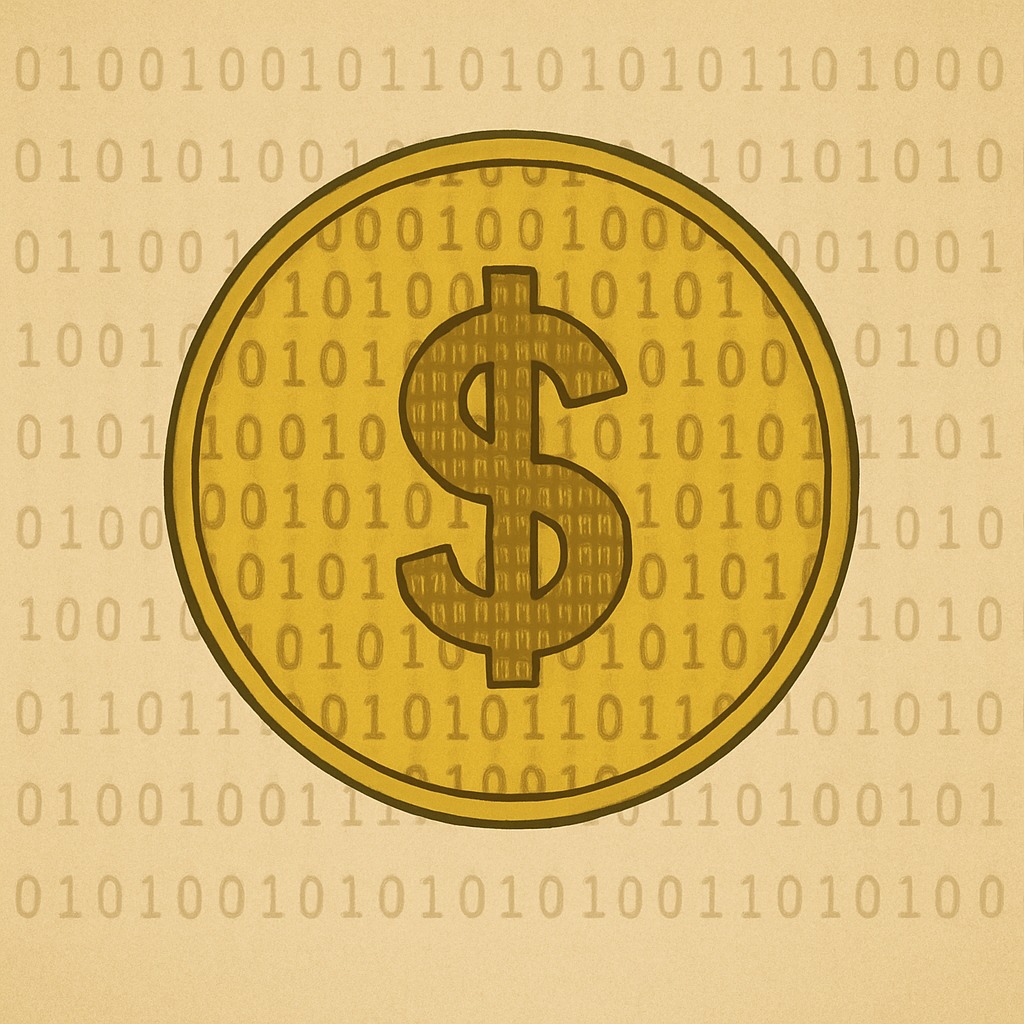
The Rise of Data as the World’s Most Valuable Asset
Once upon a time, wealth was measured in gold, oil, or land.
Today, it’s measured in data — the invisible asset driving every digital decision, transaction, and innovation.
From tech giants to startups, every modern business thrives on one thing: information.
How people think, buy, move, and communicate — all of it is monetized, analyzed, and transformed into economic power.
In essence, data is the new currency — not printed in banks but generated by clicks, searches, and digital footprints.
Why Data Equals Power
In the digital economy, data isn’t just knowledge — it’s leverage.
Companies with access to deep consumer insights dominate industries because they can:
Predict behavior before it happens
Personalize products and ads
Monetize trends in real-time
That’s why tech behemoths like Google, Meta, and Amazon are among the richest — not because of products, but because of the data behind them.
Data has replaced money as the engine of influence, giving rise to a new kind of wealth — informational wealth.
The New Wealth Code: Owning vs. Generating Data
Most people create data — but few own it.
Every click, stream, or purchase builds valuable digital information that someone else monetizes.
The new wealth mindset is about shifting from being the product to being the participant in the data economy.
Here’s how individuals can start:
Control your digital footprint: Be mindful of what data you give away.
Monetize your own content/data: Platforms like Substack, Medium, or YouTube let you profit from your output.
Leverage data-driven tools: Use analytics, AI, and insights to make smarter financial or business decisions.
Owning your data means owning your power.
From Information to Income
The smartest entrepreneurs and investors today use data as a decision-making compass.
For instance:
Retail investors use analytics tools to identify market trends early.
Freelancers use social and consumer data to position their services better.
Businesses mine customer behavior to improve retention and pricing.
The wealthiest individuals of the 2030s won’t just have money — they’ll have access, interpretation, and influence through data.
The Ethics of the Data Economy
With great value comes great vulnerability.
The same data that drives innovation also raises questions about privacy, surveillance, and consent.
In a world where personal information is traded like currency, transparency becomes essential.
The future belongs to platforms and systems that ensure data ownership, security, and fairness — not just profits.
The Future: Decentralized Data and Digital Equity
Emerging technologies like Web3, blockchain, and AI are reshaping how data is stored and shared.
Instead of being centralized in the hands of tech giants, data is gradually moving toward user-owned ecosystems.
Imagine earning tokens or passive income just for sharing your browsing data or fitness information securely.
That’s the next phase of digital wealth — where your data pays you.
The wealth code of the future isn’t just about how much you earn — it’s about how much of your data you control.
Final Thoughts
The world is shifting from capital power to information power.
Those who understand, control, and ethically use data will define the next generation of wealth builders.
Data is no longer a byproduct — it’s an asset class, a currency, and a mirror of modern value creation.
The question is no longer “What do you earn?” but “What do you know — and who owns that knowledge?”
❓ Frequently Asked Questions (FAQ)
1. What does “Data as Currency” mean?
It refers to the concept that information — not money — has become the most valuable asset in the modern digital economy. Data drives decisions, innovation, and profits across industries.
2. How is data used to create wealth?
Companies collect and analyze user data to predict trends, improve products, and sell targeted solutions. This process generates massive revenue, often more than physical assets.
3. Can individuals make money from their data?
Yes. Through content creation, Web3 platforms, affiliate marketing, and data-sharing programs, individuals can monetize their digital activity — turning personal data into income.
4. Why is data ownership important?
Because whoever owns data controls influence. Without ownership, users become products for corporations that use their data for profit without compensation or consent.
Published on : 8th November
Published by : SMITA
www.vizzve.com || www.vizzveservices.com
Follow us on social media: Facebook || Linkedin || Instagram
🛡 Powered by Vizzve Financial
RBI-Registered Loan Partner | 10 Lakh+ Customers | ₹600 Cr+ Disbursed