

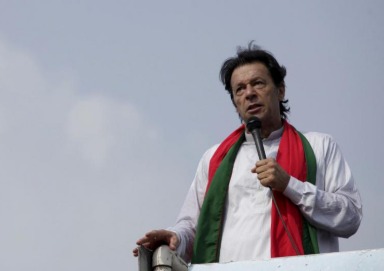
In a fiery 2024 opinion piece published in The Telegraph, former Pakistan Prime Minister Imran Khan delivered one of his most dramatic written statements, declaring that he would “prefer death over slavery.” The op-ed, written while he faced mounting legal challenges and political isolation, captured the intensity of Pakistan’s turbulent political climate.
Khan’s article was a sharp criticism of Pakistan’s power structure, alleging that democratic institutions were being undermined and that political freedoms were shrinking. His choice of words—emotional, confrontational, and uncompromising—ignited cross-border debate and drew global attention to his claims.
Why Imran Khan Wrote the 2024 Op-Ed
At the time, Khan was battling multiple court cases, internal party fractures, and strong pushback from Pakistan’s military and political establishment. The op-ed served as both a defence of his political movement and a message to the international community.
He wrote the piece to:
Reassert his political stance while in legal custody
Position himself as a defender of democracy
Accuse rivals of undermining Pakistan’s political freedoms
Appeal to his supporters and international observers
Present himself as a symbol of resistance
Key Points Imran Khan Highlighted in the Op-Ed
1. “I would prefer death over slavery”
Khan used this phrase to suggest that he would never compromise with what he called “undemocratic forces.” He framed his struggle as one between political freedom and authoritarian control.
2. Allegations of political persecution
Khan claimed that cases against him were politically motivated and aimed at silencing him and weakening his party, Pakistan Tehreek-e-Insaf (PTI).
3. Criticism of Pakistan’s power structure
He accused influential institutions of controlling political outcomes behind the scenes, calling it a form of “modern-day subjugation.”
4. Appeal for international attention
The op-ed attempted to draw global focus to Pakistan’s internal political tensions, urging democracies worldwide to recognise the “erosion of rights” under the existing system.
5. Defence of PTI and its movement
Khan emphasised that the PTI movement represented ordinary people seeking justice, transparency, and economic reform.
Political Context: Why the Statement Went Viral
The quote “death over slavery” was interpreted in multiple ways:
Supporters saw it as a powerful, patriotic declaration.
Critics viewed it as exaggerated rhetoric aimed at provoking emotional response.
Observers saw it as Khan’s attempt to maintain political relevance despite imprisonment and legal hurdles.
In Pakistan’s already volatile political atmosphere, such a statement amplified public emotions and sharpened political divisions.
Impact of the Op-Ed
1. Strengthened his narrative as a political victim
The op-ed helped Khan strengthen his image as someone resisting oppression.
2. Increased global media attention
International outlets widely circulated the headline, intensifying scrutiny of Pakistan’s political landscape.
3. Energised PTI supporters
Khan’s emotional appeal reignited both sympathy and determination within his voter base.
4. Heightened tensions with the establishment
His direct allegations created fresh friction between PTI and powerful state institutions.
How the Op-Ed Is Viewed Today
Looking back from 2025, the op-ed stands out for its bold rhetoric and its role in shaping the narrative around Khan during a politically unstable year.
It remains a symbol of his confrontational style of politics and his refusal to compromise with rivals he considers illegitimate.
FAQs
1. Where was the op-ed published?
It was published in The Telegraph in 2024.
2. Why did Imran Khan use the phrase “death over slavery”?
He used it to emphasize his refusal to submit to what he viewed as unfair political pressure and institutional dominance.
3. What was happening politically at that time?
Khan faced multiple legal challenges, internal party crackdowns, and heightened conflict with Pakistan’s establishment.
4. Did the op-ed influence public opinion?
Yes. It generated strong reactions across political lines and boosted attention to PTI’s narrative.
5. What is the op-ed’s significance now?
It is remembered as one of Khan’s most dramatic public statements during a period of intense political turmoil.
Published on : 28th November
Published by : SMITA
www.vizzve.com || www.vizzveservices.com
Follow us on social media: Facebook || Linkedin || Instagram
🛡 Powered by Vizzve Financial
RBI-Registered Loan Partner | 10 Lakh+ Customers | ₹600 Cr+ Disbursed
Source Credit: Saikat Kumar Bose / NDTV