

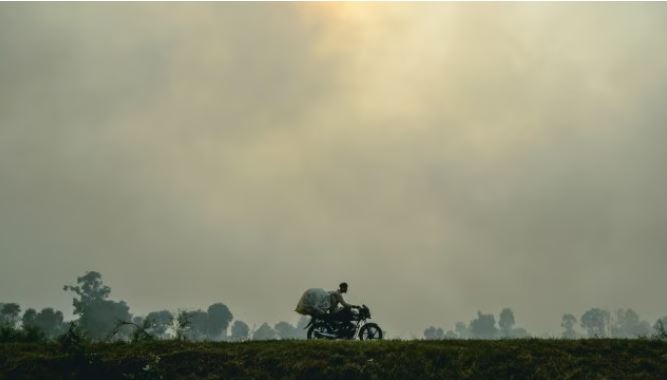
Delhi News LIVE Updates: Air Quality Shows Slight Relief, But Pollution Still ‘Poor’; Shadipur Records AQI 308
Delhi witnessed a minor improvement in air quality on Tuesday, offering residents a brief respite after days of severe smog. However, pollution levels still remain in the ‘poor’ category as per the Central Pollution Control Board (CPCB).
The overall AQI in Delhi stood at 276, marking a slight decline from Monday’s severe range. Among all monitoring stations, Shadipur recorded the worst air quality with an AQI of 308, placing it firmly in the ‘very poor’ category.
Other hotspots such as Anand Vihar, Jahangirpuri, and RK Puram also recorded AQIs between 270 and 290, indicating that pollution remains a pressing concern across the capital.
Meteorological Factors Offer Temporary Relief
Experts attribute the slight improvement to increased wind speed and a change in wind direction, which helped disperse particulate matter. However, stagnant weather conditions expected later this week could again worsen pollution levels.
A senior IMD official noted, “While the marginal relief is welcome, sustained improvement depends on consistent weather support and emission control measures.”
Government’s Response and Measures
The Delhi government continues to implement the Graded Response Action Plan (GRAP) Stage III, which includes curbs on construction, waste burning, and the entry of heavy vehicles. Citizens have been urged to use public transport, avoid outdoor exercise, and wear masks when stepping outside.
Health Advisory
Medical professionals have advised residents, especially children, the elderly, and people with respiratory issues, to stay indoors as much as possible. Continuous exposure to poor air quality can aggravate asthma, bronchitis, and other cardiovascular diseases.
Economic and Policy
According to persistent air pollution has not only affected public health but also increased healthcare spending and reduced workforce productivity, indirectly impacting Delhi’s economy. Sustainable infrastructure investments and cleaner technologies are key to improving both environmental and economic well-being.
FAQs
1. What is the current AQI level in Delhi?
The overall AQI in Delhi is around 276, categorized as ‘poor’. Shadipur is currently the worst-affected area with an AQI of 308.
2. Which areas in Delhi have the highest pollution levels?
Shadipur, Anand Vihar, RK Puram, and Jahangirpuri have recorded some of the highest AQI levels in the city.
3. What measures are being taken by the government to control air pollution?
The Delhi government has implemented Stage III of GRAP, restricting construction activities, waste burning, and heavy vehicle movement.
4. How does air pollution affect the economy?
Air pollution increases healthcare expenses, lowers productivity, and deters tourism and business investments.
5. What can residents do to protect themselves from poor air quality?
Use N95 masks, stay indoors during peak pollution hours, use air purifiers, and support eco-friendly transport and energy solutions.
Published on : 5th November
Published by : RAHAMATH
www.vizzve.com || www.vizzveservices.com
Follow us on social media: Facebook || Linkedin || Instagram
🛡 Powered by Vizzve Financial
RBI-Registered Loan Partner | 10 Lakh+ Customers | ₹600 Cr+ Disbursed