

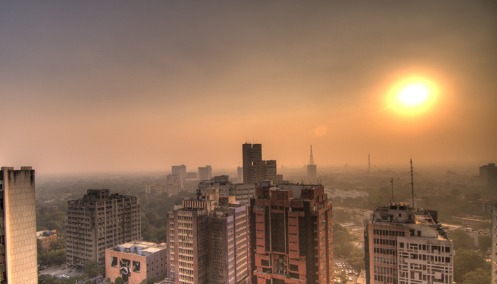
After weeks of high pollution levels, Delhi has recorded a slight improvement in air quality. The city’s Air Quality Index (AQI) dropped from ‘very poor’ to ‘moderate to poor’ levels in several monitoring stations, offering some relief to residents. Authorities continue to monitor the situation and advise precautions for vulnerable groups, including children, the elderly, and individuals with respiratory conditions.
Current AQI Situation
AQI levels in central and south Delhi are around 260–300, categorized as “poor”.
Northern and northwestern parts of the city report AQI between 180–220, falling in the “moderate” range.
Meteorological factors, including higher wind speeds and reduced temperature inversion, have contributed to the slight improvement.
Factors Affecting Air Quality
Stubble Burning: Residual smoke from nearby states like Punjab and Haryana continues to contribute to particulate pollution.
Vehicular Emissions: Despite some reduction in traffic due to seasonal restrictions, vehicles remain a major source of pollutants.
Industrial Activity: Local industries contribute to NOx and PM2.5 emissions.
Weather Conditions: Improved wind patterns and lower humidity have helped disperse pollutants slightly.
Health Advisory
Authorities recommend that:
Sensitive groups (children, elderly, respiratory patients) limit outdoor activities.
Masks and air purifiers be used indoors for protection against PM2.5 particles.
Residents monitor real-time AQI through government apps and take precautionary measures accordingly.
Government Measures
Emergency Action Plans: Measures such as restricting construction activity, enforcing vehicular norms, and controlling industrial emissions continue.
Public Awareness: Advisories on minimizing pollution exposure and maintaining indoor air quality are being disseminated.
Collaboration with Neighboring States: Steps to curb stubble burning in Punjab and Haryana are ongoing to reduce transboundary pollution.
Conclusion
While Delhi residents see a slight improvement in air quality, the city is still experiencing moderate to poor pollution levels. Continued vigilance, adherence to health advisories, and proactive government measures are key to maintaining and further improving air quality in the capital.
FAQs
Q1: What is the current air quality in Delhi?
Delhi’s AQI currently ranges between 180–300 depending on the area, with northern parts seeing moderate levels and central/south Delhi still in poor range.
Q2: What factors are responsible for Delhi’s air pollution?
Key contributors include stubble burning in neighboring states, vehicular emissions, industrial activity, and adverse weather conditions.
Q3: Who is most affected by poor air quality?
Children, elderly individuals, and people with respiratory or cardiovascular issues are most vulnerable.
Q4: How can residents protect themselves?
Using masks, air purifiers, limiting outdoor exposure, and staying informed via AQI updates are recommended.
Q5: What is being done to improve air quality?
Government measures include monitoring emissions, enforcing restrictions, controlling stubble burning, and raising public awareness.
Published on : 12th October
Published by : SMITA
www.vizzve.com || www.vizzveservices.com
Follow us on social media: Facebook || Linkedin || Instagram
🛡 Powered by Vizzve Financial
RBI-Registered Loan Partner | 10 Lakh+ Customers | ₹600 Cr+ Disbursed
https://play.google.com/store/apps/details?id=com.vizzve_micro_seva&pcampaignid=web_share