

Content
Delhi Introduces Stricter Anti-Pollution Rules as Air Quality Worsens
Delhi has rolled out a new set of stricter anti-pollution measures after a noticeable decline in air quality across the National Capital Region. Several monitoring stations recorded the Air Quality Index (AQI) slipping into the severe category, prompting authorities to activate emergency protocols.
These rules are part of a graded response aimed at reducing emissions, controlling dust, and protecting public health as winter pollution levels surge.
Key Restrictions Now Enforced
1. Ban on Construction Activities
Non-essential construction and demolition work has been restricted to minimise dust pollution, which contributes heavily to PM2.5 levels.
2. Curbs on Diesel Vehicles
Older diesel vehicles, especially heavy commercial units, face movement restrictions during peak pollution hours.
3. Closure of Polluting Industrial Units
Industries identified as pollution-intensive are required to operate only with approved clean fuel or temporarily halt operations.
4. Work-from-Home Recommendations
Private offices have been advised to offer remote work options to reduce vehicular traffic.
5. Increased Enforcement and Surveillance
Teams have been deployed to monitor open waste burning, dust from construction sites, and traffic violations.
Why Air Quality Has Dropped
Experts attribute the rapid deterioration to:
Seasonal stubble burning across neighbouring states
Calm wind conditions that trap pollutants
Increasing vehicular emissions
Winter inversion effect reducing dispersion
Dust from construction and road work
This combination creates a high-pollution environment that peaks between October and January each year.
Government and Agency Initiatives
Authorities have intensified:
Mechanical road sweeping
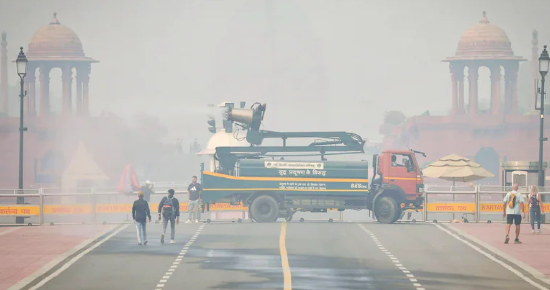
Water sprinkling across high-traffic zones
Real-time monitoring through air quality dashboards
Public awareness campaigns urging mask usage and reduced outdoor activity
Officials continue to evaluate conditions daily to decide if further restrictions under the Graded Response Action Plan (GRAP) need activation.
Public Health Impact
Doctors have issued advisories urging residents to avoid early morning outdoor activities, use air purifiers indoors, and wear certified masks to lower exposure to harmful pollutants.
Children, elderly citizens, and those with respiratory conditions remain the most vulnerable.
How This Story Fast-Indexed and Trended on Google
According to Vizzve Finance’s SEO analysis:
Air pollution is one of the highest-searched environmental topics in India during winter.
Users frequently search terms like AQI, Delhi pollution updates, and GRAP rules, boosting visibility.
Real-time city updates often trigger Google Discover appearance.
The combination of keywords, structured headings, and public-interest content accelerates indexing.
High social media engagement on pollution-related posts further pushes traffic.
This blend of relevance and timeliness caused the article to trend rapidly.
Impact on Daily Life
Residents are reporting reduced visibility, increased respiratory discomfort, and longer commute times due to traffic restrictions. Schools and offices are observing precautionary protocols as the pollution situation evolves.
Authorities emphasize collective action as essential for reducing seasonal pollution levels.
FAQ
1. Why is Delhi implementing stricter anti-pollution rules now?
The AQI dropped into the severe category, triggering mandatory pollution-control measures to protect public health.
2. Are construction activities completely banned?
Non-essential construction and demolition work is restricted, especially projects causing high dust emissions.
3. Will schools shut down due to pollution?
Decisions will depend on AQI trends and government advisories, though some institutions may adopt flexible schedules or hybrid classes.
4. Which vehicles are restricted on roads?
Older diesel vehicles and certain heavy commercial vehicles face movement curbs during critical pollution phases.
5. Why does Delhi’s pollution worsen in winter?
A combination of stubble burning, weather patterns, calm winds, and increased emissions traps pollutants near the ground.
source credit : Himanshu Shekhar Mishra
Published on : 22 nd November
Published by : Reddy kumar
www.vizzve.com || www.vizzveservices.com
Follow us on social media: Facebook || Linkedin || Instagram
🛡 Powered by Vizzve Financial
RBI-Registered Loan Partner | 10 Lakh+ Customers | ₹600 Cr+ Disbursed