

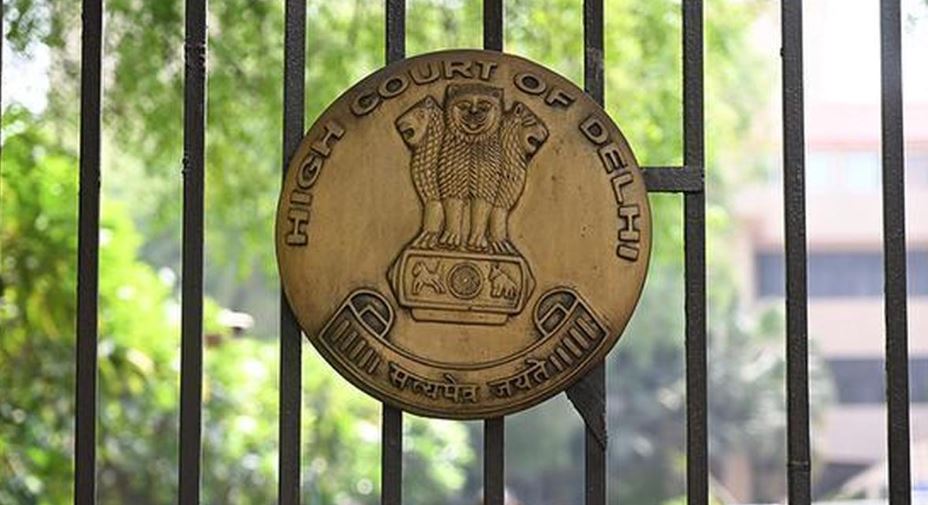
Delhi High Court: No Law Student Should Be Barred from Exams for Lack of Attendance
In a significant judgment upholding the rights of students, the Delhi High Court has ruled that no law student should be detained from sitting for examinations solely due to shortage of attendance. The decision marks a pivotal step towards balancing discipline and fairness within India’s legal education system.
Court’s Stand on Student Rights
The ruling emerged after several students petitioned against college administrations that had withheld exam permissions citing attendance shortages. The Delhi HC observed that education institutions must ensure that attendance rules do not override a student’s right to education and fair opportunity.
Justice emphasized that the purpose of attendance is to encourage participation, not to impose punishment. Therefore, detaining a student from exams merely on this basis, without considering valid reasons or academic merit, violates the spirit of justice and equality.
Impact on Law Colleges and Universities
This landmark judgment is expected to have far-reaching implications across law universities in India. The Court clarified that students pursuing professional degrees like law should not be deprived of their academic progression due to rigid attendance norms, especially in cases of genuine hardship.
Institutions are encouraged to adopt more flexible and transparent attendance policies, ensuring academic discipline while protecting students’ rights.
Public and Academic Reactions
The verdict has sparked widespread discussions among educators, students, and legal professionals. Many have hailed it as a progressive interpretation of academic policies, bringing relief to students across Delhi and beyond.
It underscores that learning outcomes and academic performance should weigh more than bureaucratic rigidity.
FAQs
1. What was the Delhi High Court’s main ruling on law student attendance?
The Delhi HC ruled that no law student should be prevented from appearing for exams solely because of attendance shortages, provided there are valid reasons for their absence.
2. Does this mean attendance is no longer mandatory in law colleges?
Attendance remains essential, but the ruling ensures that colleges cannot arbitrarily bar students from exams without considering context or fairness.
3. How will this affect other universities in India?
While the judgment directly applies to Delhi-based institutions, it sets a persuasive precedent that may influence educational policies across the country.
4. What message does this send about education in India?
The decision reinforces that education is a right, not a privilege, and institutions must act with empathy and fairness.
5. How does Finance view this judgment?
Finance supports the principle of fairness and opportunity in education, aligning with its broader vision of empowering individuals through equitable access and support.
Published on : 3rd November
Published by : RAHAMATH
www.vizzve.com || www.vizzveservices.com
Follow us on social media: Facebook || Linkedin || Instagram
🛡 Powered by Vizzve Financial
RBI-Registered Loan Partner | 10 Lakh+ Customers | ₹600 Cr+ Disbursed