

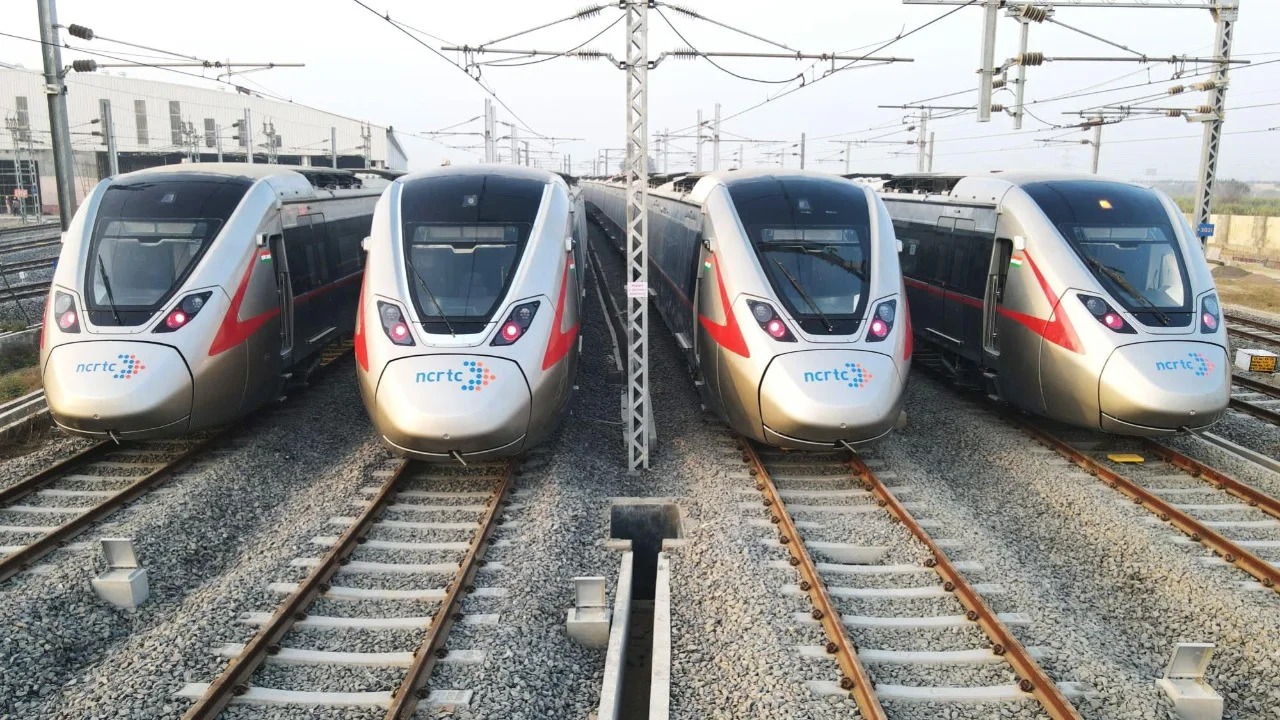
Delhi–NCR is witnessing a massive transformation in its connectivity landscape. From expressways to modern metro lines and upcoming regional rail projects, the region is entering a new era of seamless travel. This not only reduces travel time but also opens up opportunities for business, real estate, and urban growth.
Delhi–NCR Connectivity: Why It Matters
The National Capital Region (NCR) is one of the most urbanized and economically significant regions in India. However, rapid urbanization has led to challenges such as traffic congestion, pollution, and inefficient transport systems. Improved connectivity promises:
Faster intercity travel
Reduced traffic congestion
Improved quality of life for daily commuters
Better integration of satellite cities like Gurugram, Noida, Ghaziabad, and Faridabad
Key Projects Driving the Change
1. Delhi–Meerut RRTS (Rapid Rail)
The Regional Rapid Transit System (RRTS) is set to redefine public transport with high-speed trains running at 180 km/h, cutting Delhi–Meerut travel time to just 55 minutes.
2. Dwarka Expressway
India’s first eight-lane elevated expressway will ease pressure on NH-48 and provide smoother connectivity between Delhi and Gurugram.
3. Delhi Metro Expansion
With newer metro lines and extensions under construction, more areas in Noida, Greater Noida, and Faridabad will be connected to central Delhi.
4. Jewar International Airport
The upcoming Noida International Airport will boost air connectivity, supporting both tourism and trade while reducing dependency on IGI Airport.
5. Urban Road & Highway Projects
Projects like the Delhi-Mumbai Expressway and Peripheral Expressways are strengthening regional road connectivity, reducing travel time for both commuters and logistics.
Impact on Economy and Lifestyle
Real Estate Growth: Areas like Greater Noida, Gurugram, and Ghaziabad are witnessing rising demand due to easier access.
Business Expansion: Improved logistics and workforce mobility will attract more companies to NCR.
Lifestyle Upgrade: Shorter commutes mean more leisure and family time, contributing to work-life balance.
Challenges Ahead
While connectivity projects bring growth, challenges like land acquisition, environmental impact, and construction delays must be addressed for smooth execution.
Conclusion
Delhi–NCR is on the cusp of a connectivity revolution. With high-speed rail, advanced expressways, and international air links, the region is preparing for a future where travel is faster, smarter, and more sustainable. This new era will not only transform commuting but also redefine the economic and cultural landscape of North India.
FAQs
Q1. What is the biggest upcoming connectivity project in Delhi–NCR?
The Delhi–Meerut RRTS is one of the most impactful projects, cutting travel time drastically.
Q2. How will Dwarka Expressway benefit commuters?
It will reduce congestion on NH-48 and provide a faster route between Delhi and Gurugram.
Q3. Will Jewar Airport reduce pressure on Delhi’s IGI Airport?
Yes, the Noida International Airport will share air traffic load and improve international as well as domestic connectivity.
Q4. How will these projects affect real estate?
Areas near metro lines, expressways, and RRTS stations are expected to see a surge in property demand and prices.
Published on : 16th August
Published by : SMITA
www.vizzve.com || www.vizzveservices.com
Follow us on social media: Facebook || Linkedin || Instagram
🛡 Powered by Vizzve Financial
RBI-Registered Loan Partner | 10 Lakh+ Customers | ₹600 Cr+ Disbursed