

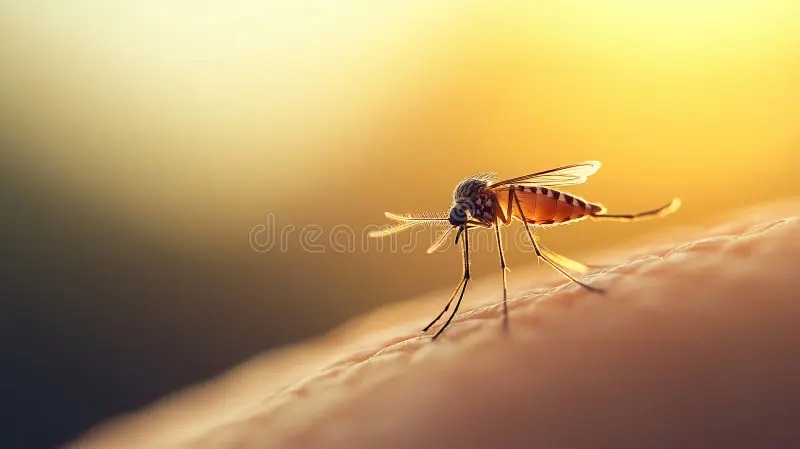
Delhi has reported 135 confirmed cases of malaria this year, marking the highest number in the last five years. This surge has raised public health concerns, prompting authorities to step up preventive measures and awareness campaigns. In this blog, we examine the causes, impact, and steps to control malaria in the city.
What Is Malaria?
Malaria is a mosquito-borne infectious disease caused by Plasmodium parasites. It spreads through the bite of infected female Anopheles mosquitoes. Common symptoms include high fever, chills, headache, and fatigue. If untreated, malaria can lead to severe complications and even death.
Why Has Malaria Cases Increased in Delhi?
Several factors contribute to the rise in malaria cases:
Monsoon Season and Waterlogging: Stagnant water after rains provides ideal breeding grounds for mosquitoes.
Urbanization and Construction Sites: Water accumulation in construction areas encourages mosquito proliferation.
Climate Change: Increasing temperatures and unpredictable weather patterns affect mosquito behavior.
Delayed Preventive Measures: In some areas, mosquito control efforts might have lagged.
Impact on Public Health
The rise in malaria cases puts additional pressure on Delhi’s healthcare system. Vulnerable populations, including children, elderly, and those with compromised immunity, are at higher risk of severe illness.
Government and Community Response
Enhanced Mosquito Control: Fogging, larvicidal treatments, and clearing stagnant water bodies.
Public Awareness Campaigns: Educating citizens on preventive measures like using mosquito nets and repellents.
Early Diagnosis and Treatment: Encouraging people to seek timely medical help to prevent complications.
How You Can Protect Yourself from Malaria
Use mosquito repellents and wear long-sleeved clothing, especially during dusk and dawn.
Ensure your home has window screens or nets to keep mosquitoes out.
Eliminate stagnant water around your home regularly.
Seek medical attention promptly if you experience symptoms.
FAQs
Q1: Is malaria contagious from person to person?
No, malaria is transmitted only through mosquito bites.
Q2: How long does it take to recover from malaria?
With timely treatment, recovery usually occurs within 2 to 3 weeks.
Q3: Are there vaccines for malaria?
Malaria vaccines are available but are not yet widely distributed in India.
Conclusion
The rise in malaria cases in Delhi highlights the urgent need for continued vigilance and community participation in preventive measures. Staying informed and proactive is key to controlling this vector-borne disease and protecting public health.
Published on : 8th August
Published by : SMITA
www.vizzve.com || www.vizzveservices.com
Follow us on social media: Facebook || Linkedin || Instagram
🛡 Powered by Vizzve Financial
RBI-Registered Loan Partner | 10 Lakh+ Customers | ₹600 Cr+ Disbursed