

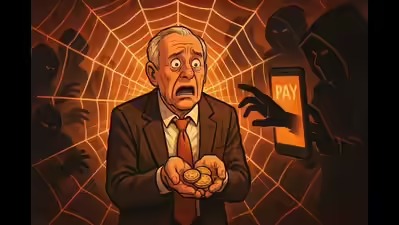
In a chilling reminder of how sophisticated cyber scams have become, a retired government employee in Delhi was defrauded of ₹14 lakh by conmen posing as law enforcement and cybercrime officers, using a technique now known as the “digital arrest” scam.
The victim, aged 67, was coerced into transferring the amount over several transactions, after being falsely told he was involved in a money laundering case.
🎭 What Is a Digital Arrest Scam?
Digital arrest scams are an emerging cybercrime method where fraudsters impersonate:
Police officers
Cybercrime officials
Income Tax or RBI agents
They use VoIP calls, fake video conferencing apps, and even AI-generated face videos to convince victims of false legal charges. The victims are threatened with arrest unless they make immediate payments or "security deposits."
🕵️♂️ How the Scam Unfolded in Delhi
The victim received a call from someone posing as a FedEx agent, claiming a parcel in his name contained illegal items.
The call was then "transferred" to fake Delhi Police and cybercrime officials.
They conducted a fake video "interrogation" and showed forged documents, claiming his name was under investigation.
He was asked to stay online and “digitally arrested” — not allowed to disconnect — and forced to transfer ₹14 lakh to “verify” his identity and prove innocence.
Only after he contacted his daughter did he realize the scam.
🚨 Delhi Police Warning
Delhi Police Cyber Cell has urged citizens:
“Do not respond to calls alleging police or legal action without in-person verification. No law enforcement agency will demand money over a call.”
🧠 How to Protect Yourself
✅ Never share personal or banking information over unsolicited calls
✅ Law enforcement will never demand online payments
✅ Verify all claims by visiting the nearest police station
✅ Report incidents on cybercrime.gov.in
🔍 FAQs
Q1: What is a digital arrest?
A: A fake scenario created by scammers to trick victims into believing they are under legal custody or investigation to extort money.
Q2: How do scammers make it believable?
A: They use VoIP numbers, fake video calls, fabricated documents, and impersonate real institutions like CBI, RBI, or police departments.
Q3: What should I do if I get such a call?
A: Immediately disconnect, do not transfer any money, and report the call to the nearest police station or on the Cyber Crime Portal.
Q4: Can retired or elderly individuals be more vulnerable?
A: Yes, scammers often target older individuals who may not be tech-savvy or familiar with new fraud patterns.
published on 1st july
Publisher : SMITA
www.vizzve.com || www.vizzveservices.com
Follow us on social media: Facebook || Linkedin || Instagram
🛡 Powered by Vizzve Financial
RBI-Registered Loan Partner | 10 Lakh+ Customers | ₹600 Cr+ Disbursed.