

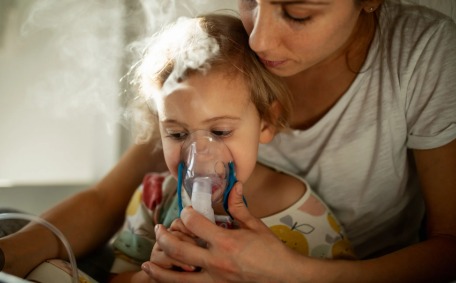
Delhi woke up to a thick blanket of smog following Diwali festivities, and hospitals across the city have reported a 30% increase in respiratory patients within 48 hours.
Doctors attribute this sudden rise to the combination of firecracker emissions, stagnant air, and already poor air quality in the region.
Spike in Pollution and Health Impact
According to data from the Central Pollution Control Board (CPCB), Delhi’s Air Quality Index (AQI) hovered between ‘Severe’ and ‘Very Poor’ categories across major zones such as Anand Vihar, RK Puram, and Jahangirpuri.
“We’ve seen a sharp increase in patients suffering from breathlessness, wheezing, and aggravated asthma,” said Dr. Meenakshi Sharma, a pulmonologist at AIIMS.
“Children and elderly citizens are the worst affected.”
Hospitals like Safdarjung, AIIMS, and LNJP confirmed overcrowded emergency wards, with several patients requiring nebulization and oxygen support.
Causes Behind the Surge
Experts point to a mix of firecracker smoke, vehicle emissions, and low wind speeds that trapped pollutants in the atmosphere.
Despite the Supreme Court’s restrictions on firecracker sales, violations were rampant across the NCR region.
Doctors have urged people with pre-existing lung or heart conditions to avoid outdoor exposure, especially during early mornings and late evenings when smog is densest.
Government and Public Response
The Delhi government has reactivated its GRAP (Graded Response Action Plan) measures, including:
Banning construction and demolition work in sensitive zones.
Encouraging carpooling and public transport use.
Urging residents to wear N95 masks when outdoors.
Authorities are also considering temporary school closures if pollution levels remain high through the week.
Long-Term Concerns
Environmental experts warn that such post-Diwali health spikes have become an annual crisis. The need for sustainable celebrations, green crackers, and strict enforcement of pollution norms has never been more urgent.
“Delhi’s air is a slow-moving public health emergency,” remarked environmentalist Anumita Roy Chowdhury.
“Without collective accountability, the damage will only deepen.”
FAQ
Q1. Why did respiratory cases increase after Diwali?
A: The rise is due to severe air pollution from firecracker smoke and stagnant weather conditions trapping pollutants.
Q2. Who is most at risk?
A: Children, senior citizens, and people with asthma, COPD, or cardiac diseases.
Q3. What precautions can citizens take?
A: Use N95 masks, run air purifiers indoors, stay hydrated, and avoid outdoor activity during peak smog hours.
Q4. What is Delhi’s current AQI level?
A: AQI readings in several areas have crossed 400–450, classified as ‘Severe’.
Q5. Has the government taken any steps?
A: Yes, GRAP restrictions are active, and authorities are monitoring hospital admissions and air quality daily.
Published on : 25th October
Published by : SMITA
www.vizzve.com || www.vizzveservices.com
Follow us on social media: Facebook || Linkedin || Instagram
🛡 Powered by Vizzve Financial
RBI-Registered Loan Partner | 10 Lakh+ Customers | ₹600 Cr+ Disbursed
https://play.google.com/store/apps/details?id=com.vizzve_micro_seva&pcampaignid=web_share