

Introduction
On Saturday 8 November 2025, the national capital, Delhi-NCR, awoke to a perilous air-quality situation and a major air-traffic disruption. The darndest combo: dense smog turning the air hazardous and a tech glitch at Indira Gandhi International Airport (IGIA) disrupting hundreds of flights.
Air Quality Surge: Smog Envelopes the City
Early morning readings showed the AQI (Air Quality Index) at 335 per EWS, while private monitor aqi.in pegged it at 566 around 7 am.
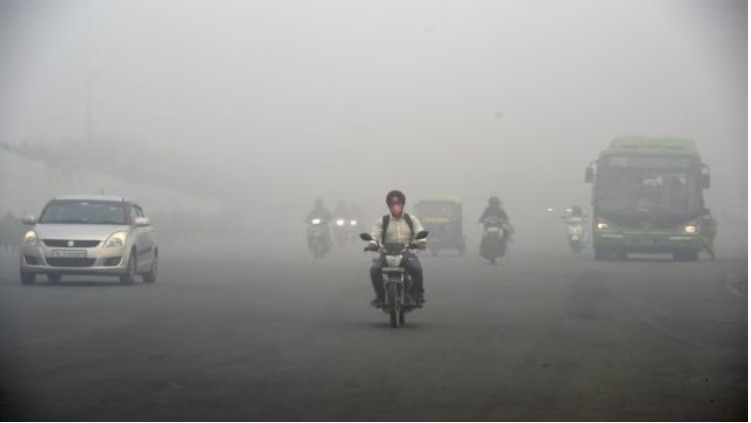
Visuals showed large swathes of Delhi shrouded in thick, yellow-grey haze, with visibility severely reduced.
Contributing factors: dropping temperatures, light winds, and emissions trapped near the surface (a pattern seen in past years).
Health Advisory: Residents, especially children, elderly and people with respiratory ailments, are urged to minimise outdoor exposure, use N95/KN95 masks if stepping out, and keep windows closed.
Airport Tech Glitch: Flight Operations Hit
The disruption originated in the ATC’s core messaging system — the Automatic Message Switching System (AMSS), which failed, forcing manual flight-plan processing
Hundreds of flights were delayed. One report said nearly 800 flights were held up after the AMSS malfunctioned.
According to official updates, normal operations are “gradually improving” as system restoration proceeds.
For travellers: Check flight status, expect delays, allow extra time at terminals, and consult your airline for updates.
The Dual Impact
The combination of smog and infrastructure disruption has created a layered challenge: while parts of the city struggle with hazardous air, the airport disruption compounds travel stress. The two situations—though independent—underscore how environmental and technological vulnerabilities can converge in urban living.
What’s Next?
For air‐quality: The smog condition may persist over the next few days unless wind picks up or rain intervenes.
For flights: Monitoring continues; while the AMSS is reported restored, airlines caution residual delays and backlog clear-up may take time.
Frequently Asked Questions (FAQ)
Q1. What caused the spike in Delhi’s air pollution today?
A1. The major contributors are falling temperatures, light winds that cause pollutants to get trapped, vehicular and industrial emissions, and possibly regional crop-burning.
Q2. How hazardous is the AQI reading of 566?
A2. An AQI of 566 is in the “severe” to “hazardous” category, meaning everyone may experience serious health impacts. Outdoor activity should be minimised and protective measures taken.
Q3. What exactly went wrong at the airport?
A3. The AMSS, which automates flight-plan messages for ATC, failed. Controllers had to switch to manual processing, dramatically slowing down operations
Q4. Are flight operations back to normal now?
A4. The authorities report that operations are “gradually improving”. The system is restored but some delays and backlog remain. Travellers should check with their airline.
Q5. What precautions should residents and travellers take?
A5. Residents: Limit outdoor exposure, use face masks, keep indoor air filtered. Travellers: Monitor flight status, allow extra time at airport, use real-time updates.
Published on : 8th November
Published by : Express Web Desk
www.vizzve.com || www.vizzveservices.com
Follow us on social media: Facebook || Linkedin || Instagram
🛡 Powered by Vizzve Financial
RBI-Registered Loan Partner | 10 Lakh+ Customers | ₹600 Cr+ Disbursed