

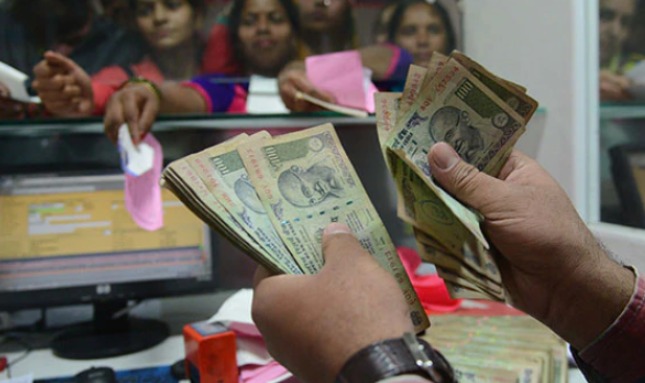
Putting a big pile of cash into your bank account isn’t illegal — but it is closely watched. Banks and tax authorities flag high-value cash transactions so they can check for undisclosed income, money-laundering or tax evasion. If a flagged deposit doesn’t have a clear, provable source, it can lead to a notice from the Income-tax Department asking you to explain the money.
Below is a practical, lawful guide on what triggers reporting, why notices happen, and — most importantly — what you should do to keep things clean and avoid hassle.
What banks report (and why it matters)
Banks and other reporting entities must send Statements of Financial Transactions (SFT/AIR) to the tax department for specified high-value cash transactions. Common report triggers include large cash deposits in savings or current accounts and certain other cash payments. When your transaction is reported, it may show up in your AIS/Form 26AS and be cross-checked with your filed income tax return. If there’s a mismatch, the department may ask questions.
Key practical triggers often used by banks and tax authorities:
Cash deposits aggregating to ₹10 lakh or more in a financial year in savings accounts are commonly reportable.
Cash deposits/withdrawals in current accounts aggregating to ₹50 lakh or more in a financial year are monitored closely.
Many banks also require you to quote PAN for cash transactions above certain daily thresholds (commonly ₹50,000).
(Thresholds and reporting formats have evolved over time — the values above reflect the commonly enforced reporting triggers used in recent reporting regimes)
Why you might get a tax notice after depositing cash
A notice is usually generated when the tax department’s records show:
Large cash deposits that don’t match declared income in your tax returns; or
Repeated high cash inflows without supporting documentation; or
Unexplained cash that raises suspicion of undisclosed business income or other sources.
Not every notice means you’ve done something wrong — sometimes banks report automatically and tax officers simply want clarification. There are recent cases where taxpayers successfully explained deposits with proper evidence and the matter was closed.
How to avoid a tax notice — lawful steps that actually work
Keep clear documentation for the cash
Maintain receipts, invoices, sale bills, gift letters, rent receipts, or bank withdrawal slips that show where the cash came from (sale of assets, gift from a relative, business receipts, etc.).
If the cash is from a one-off source (sale of an old vehicle, personal loan repayment from a friend, etc.), get written proof and preserve it.
Quote your PAN when asked
Always provide your PAN for cash transactions when the bank requests it. This ties the transaction to your tax identity and reduces the chance of mismatch. Many banks ask for PAN above ₹50,000 or similar thresholds.
Declare and report legitimately taxable income
If the cash is taxable (e.g., business sales not yet declared), declare it in your income tax return for the relevant year. Voluntarily disclosing and paying tax (plus interest/penalty if applicable) is better than waiting for a notice.
Use banking channels where possible
Deposit money by cheque, NEFT/RTGS from another bank account, or transfer from digital wallets (with records). Electronic trails are easier to explain.
If you must deposit cash, do so with supporting documents.
Avoid illegal structuring (don’t split deposits to evade reporting)
Deliberately breaking cash into multiple smaller deposits or using multiple accounts to avoid reporting thresholds is illegal and can itself trigger investigations. Don’t attempt to “game” reporting rules.
File accurate and timely tax returns
Ensure your ITR reflects your known income and bank transactions. A current, accurate return diminishes the likelihood of a notice escalating.
If you receive a notice, respond promptly and professionally
Don’t ignore notices. Provide the requested explanations and copies of supporting documents through the prescribed channels. Many routine notices are resolved after reasonable clarification.
Practical examples of good documentation
Received ₹6 lakh from selling personal property: keep sale deed, transfer receipts, buyer’s payment proof.
Received ₹3 lakh as a gift from a close relative: get a signed gift letter (with identity proof of donor) and evidence of donor’s source of funds if available.
Business cash receipts: maintain cash memos, daily cashbooks, and bank credit entries matching the deposits.
Red flags to avoid
No proof for cash inflows that match large deposits.
Frequent large cash deposits with no declared source in ITRs.
Structuring deposits to stay below reporting thresholds (this is considered an attempt to evade reporting).
Using third-party accounts to park your cash without lawful cause.
If you avoid these, you greatly reduce the chance a routine bank report turns into a time-consuming tax notice.
What to do if you still get a tax notice
Read the notice carefully — it will state the issue and time limit to respond.
Gather all documentary proof showing the source of funds.
Respond through the e-filing portal or the mode requested; attach copies of evidence and a clear explanation.
If the matter is complex, consult a chartered accountant or tax professional to prepare the reply or represent you. Prompt, factual responses usually close the matter quickly.
Final thoughts
Depositing large cash is not a crime — but it is a trigger for monitoring. The golden rule is: document everything, be transparent, and file accurate tax returns. If your deposits track to genuine income or legitimate sources and you can prove it, notices are typically a routine compliance step rather than a punitive action. On the other hand, attempts to hide cash or split deposits to avoid reporting can make the situation far worse.
Stay proactive: organize receipts, keep your PAN linked to bank accounts, and treat notices as an opportunity to clarify rather than panic.
FAQs
Q1. Will a single large cash deposit always trigger a notice?
No. Many deposits are reported automatically, but a notice follows only if the tax department’s records show inconsistency with declared income or if the transaction raises suspicion. Proper proof can resolve most queries.
Q2. What are common reporting thresholds I should know about?
Banks report various high-value transactions under SFT rules — cash deposits in savings accounts often get reported when they aggregate to around ₹10 lakh in a financial year, and current-account cash flows have higher thresholds. Also, banks may ask for PAN for single large transactions (commonly above ₹50,000). (Thresholds can evolve, so keep updated.)
Q3. Can I deposit cash given to me as a gift?
Yes — but keep a signed gift letter and proof that the donor had funds to give. Gifts from relatives are generally exempt from tax, but documentation helps clear any queries.
Q4. Is splitting cash deposits into smaller amounts safe?
No. Deliberately splitting deposits to avoid reporting is considered structuring and can attract more scrutiny or penalties.
Q5. Should I consult a tax expert if I get a notice?
Yes—especially for large amounts or complex sources. A qualified tax professional can help you prepare a robust response.
Published on : 7th November
Published by : SMITA
www.vizzve.com || www.vizzveservices.com
Follow us on social media: Facebook || Linkedin || Instagram
🛡 Powered by Vizzve Financial
RBI-Registered Loan Partner | 10 Lakh+ Customers | ₹600 Cr+ Disbursed