

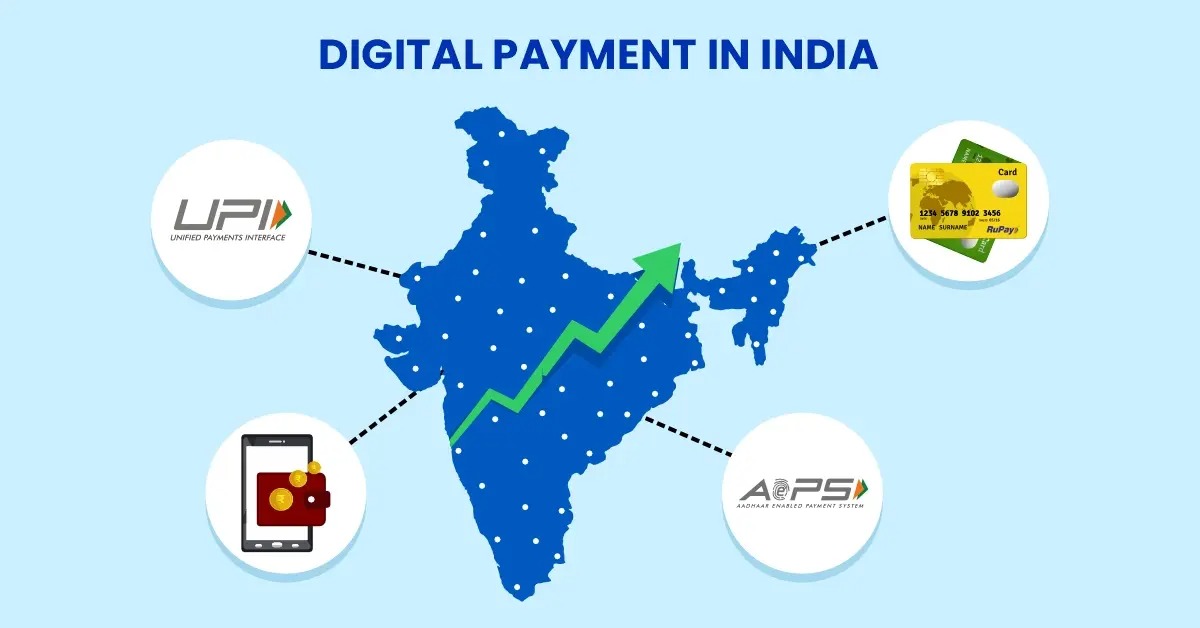
Digital banking has emerged as a game-changer in India’s financial ecosystem, enabling millions of unbanked and underbanked citizens to access banking services. With fintech innovations, mobile wallets, UPI, and digital lending, financial inclusion has accelerated, transforming how individuals and businesses manage money.
How Digital Banking Promotes Financial Inclusion
Access for Remote Areas
Mobile banking and UPI allow people in rural and remote regions to access accounts, transfer funds, and pay bills without visiting a branch.
Affordable Banking Solutions
Digital platforms reduce the cost of banking services, making them accessible to low-income households.
Instant Payments and Transfers
Services like UPI, NEFT, and digital wallets enable fast, secure, and convenient transactions.
Digital Lending and Microfinance
Fintech apps provide instant loans, credit scoring, and microfinance solutions for individuals and small businesses.
Financial Literacy and Awareness
Mobile apps and online platforms educate users about savings, investments, and credit management.
Impact on Individuals and Businesses
Individuals: Easy account creation, seamless money transfers, and access to credit improve financial empowerment.
Small Businesses: Digital payments and loans reduce dependence on cash, improve cash flow, and expand market reach.
Banks & Fintech Companies: Lower operational costs and expanded customer base foster financial growth and innovation.
Challenges and Considerations
Digital Literacy – Users need basic skills to navigate digital banking safely.
Cybersecurity Risks – Increased dependence on online platforms requires robust security measures.
Infrastructure Gaps – Internet connectivity and smartphone penetration are still limited in some rural areas.
FAQs:
Q1: How has UPI contributed to financial inclusion in India?
A1: UPI enables instant, secure, and low-cost digital transactions, making banking accessible to a wider population.
Q2: Can digital banking replace traditional banks?
A2: Digital banking complements traditional banks, providing convenience, speed, and accessibility while branch banking remains important for certain services.
Q3: What role do fintech startups play in financial inclusion?
A3: Fintechs provide innovative lending, payments, and insurance solutions, reaching underserved populations efficiently.
Q4: Are digital banking services secure?
A4: Yes, with encryption, multi-factor authentication, and regulatory oversight, digital banking is generally safe, though users must follow best practices.
Q5: How can small businesses benefit from digital banking?
A5: Digital payments and instant loans reduce cash handling, improve liquidity, and expand market access, boosting growth.
Conclusion
Digital banking in India is transforming financial inclusion, bridging gaps for underserved populations and small businesses. By leveraging fintech innovations, secure platforms, and government initiatives, India is moving toward a more inclusive and digitally empowered financial ecosystem.
Published on : 4th September
Published by : SMITA
www.vizzve.com || www.vizzveservices.com
Follow us on social media: Facebook || Linkedin || Instagram
🛡 Powered by Vizzve Financial
RBI-Registered Loan Partner | 10 Lakh+ Customers | ₹600 Cr+ Disbursed
https://play.google.com/store/apps/details?id=com.vizzve_micro_seva&pcampaignid=web_share