

Quick Answer (Fast Indexing Summary)
India is preparing to tighten digital payment rules to curb fraud, strengthen KYC verification, limit high-risk transactions, and improve data security across UPI, wallets, and payment apps.
AI Answer Box
India’s digital payment ecosystem is expected to see stricter rules in 2026, including tighter KYC checks, transaction caps, enhanced fraud detection, and stronger data protection norms. These reforms aim to reduce cybercrime and improve trust in UPI and digital wallets while maintaining fast and convenient cashless payments.
Why Is India Tightening Digital Payment Regulations?
India processes 12+ billion UPI transactions monthly, making it the world’s largest real-time payment ecosystem. With rising usage comes:
Payment fraud growth (over 30% YoY in some states)
Identity theft & SIM swap scams
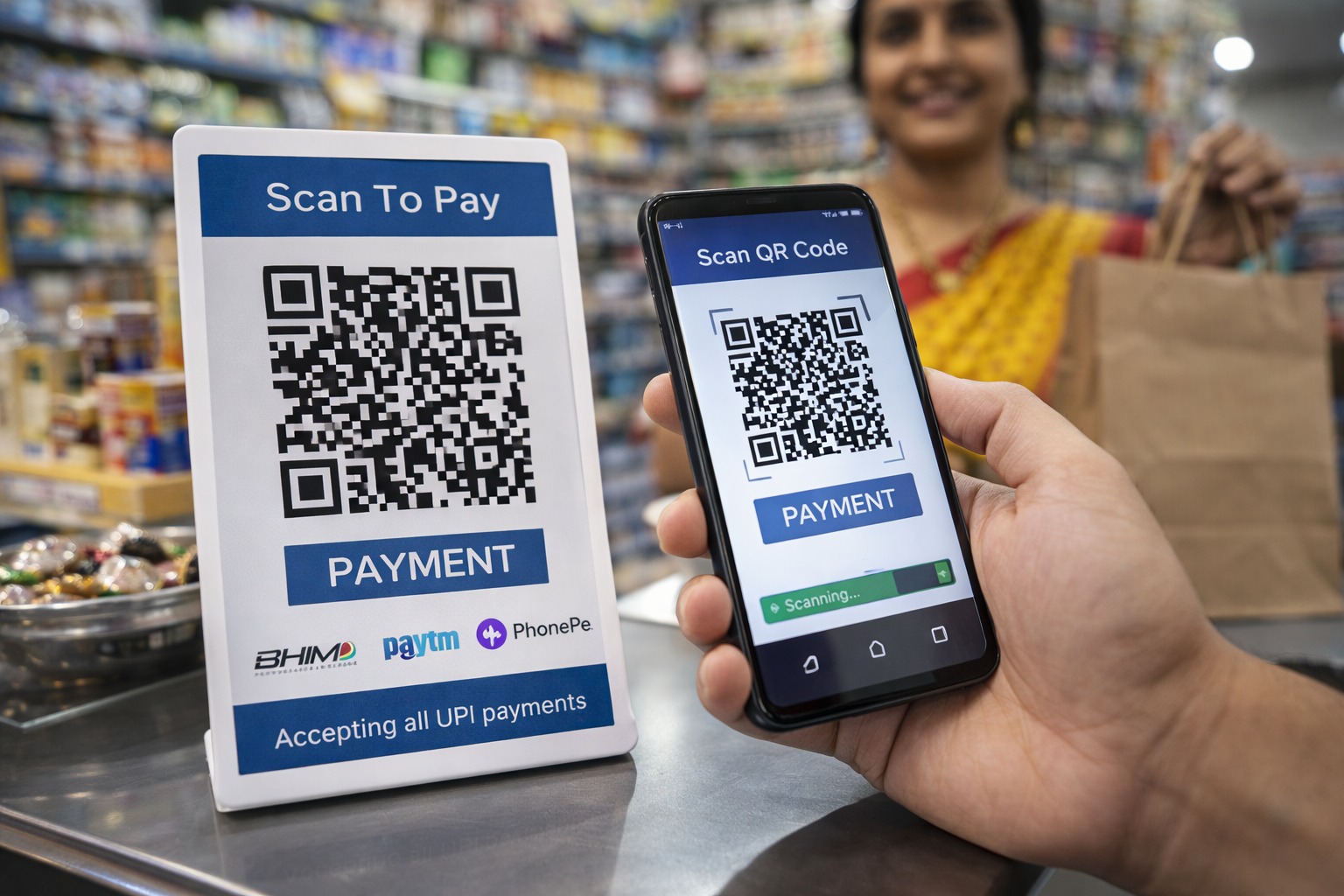
Fake merchant QR frauds
Account takeovers
Authorities including Reserve Bank of India and National Payments Corporation of India are preparing reforms to secure the system long-term.
Key Digital Payment Rule Changes Expected
✔️ Stronger KYC & Verification
Mandatory Aadhaar/PAN revalidation
Periodic KYC updates
Facial or biometric checks (likely)
✔️ Transaction Control Measures
Lower caps for new users
Delayed high-value transfers
Auto flags for unusual activity
✔️ Tighter Merchant Rules
Verified business QR codes
GST-linked merchant IDs
Fake merchant crackdown
Comparison Table: Before vs After New Rules
| Area | Current System | Expected Changes |
|---|---|---|
| KYC | Basic verification | Biometric + periodic updates |
| Limits | ₹1–5 lakh/day | Tier-based transaction caps |
| Fraud Detection | Post-complaint | Real-time blocking |
| Merchant QR | Open creation | Govt-verified IDs |
| Data Safety | Basic encryption | Bank-grade protocols |
How Payment Apps Will Be Affected
Popular platforms such as Google Pay, PhonePe, and Paytm will need to:
Upgrade security systems
Strengthen user authentication
Share fraud data in real-time with banks
Pros & Cons of Tighter Digital Payment Rules
✅ Advantages
Lower fraud risk
Safer money transfers
Higher trust in UPI
Stronger consumer protection
❌ Challenges
Slight onboarding delays
More verification steps
Reduced anonymous usage
Expert Commentary
“India’s payment ecosystem has matured rapidly. The next phase must prioritize security over speed,” says fintech risk consultant Anuj Mehra, former banking compliance advisor.
Real-world data shows most fraud occurs in newly activated accounts—making tighter onboarding crucial.
Step-by-Step: How Users Should Prepare
Update KYC on payment apps
Link PAN & Aadhaar where required
Enable two-factor authentication
Monitor transaction alerts
Avoid unknown QR codes
Key Takeaways
Digital payments are becoming safer but more regulated
KYC rules will tighten significantly
High-value transactions may face limits
Fraud prevention is the top priority
Apps must comply with stronger security laws
❓ FAQ Section
1. Why is India tightening digital payment rules?
To reduce rising UPI fraud, fake QR scams, and identity theft while improving transaction security under guidelines led by Reserve Bank of India.
2. Will UPI users face new transaction limits?
Yes, tier-based daily limits may apply, especially for new or low-KYC users.
3. Is KYC becoming mandatory for all payment apps?
Most wallets and UPI apps will require full KYC with periodic re-verification.
4. Will biometric verification be introduced?
Authorities are considering facial or Aadhaar-based biometric authentication for high-risk transactions.
5. How will fraud prevention improve?
Real-time transaction monitoring, instant account freezes, and shared fraud databases between banks and apps.
6. Are merchant QR codes being regulated?
Yes, only verified merchants linked with tax and identity records may be allowed to generate QR codes.
7. Will popular UPI apps be affected?
Apps like Google Pay, PhonePe, and Paytm must upgrade security and compliance systems.
8. Will digital payments become slower?
Slightly more verification steps may be added, but daily payments should remain fast.
9. Can accounts be blocked automatically?
Yes, suspicious activity may trigger instant temporary blocks for safety.
10. Will international transactions change?
Cross-border digital payments may see tighter checks and reporting rules.
11. Are transaction fees expected?
Currently unlikely, but premium security features may appear for businesses.
12. Will small users be impacted?
Low-value daily payments will mostly remain smooth with minimal disruption.
13. How often will KYC updates be required?
Likely every 1–2 years or after major account changes.
14. Will this reduce online scams?
Experts expect fraud cases to drop significantly within the first year.
15. Is India still promoting cashless payments?
Yes — the goal is safer digital growth, not reduced adoption.
Conclusion
India’s move toward stricter digital payment rules marks a major leap in building a safer cashless economy. While users may face additional verification steps, the long-term benefits of reduced fraud and stronger financial security far outweigh the inconvenience.
👉 Stay updated, secure your KYC, and enjoy safer digital transactions.
Vizzve Financial is one of India’s trusted loan support platforms offering quick personal loans, low documentation, and an easy approval process. Apply at www.vizzve.com.
Published on : 6th February
Published by : SMITA
www.vizzve.com || www.vizzveservices.com
Follow us on social media: Facebook || Linkedin || Instagram
🛡 Powered by Vizzve Financial
RBI-Registered Loan Partner | 10 Lakh+ Customers | ₹600 Cr+ Disbursed