

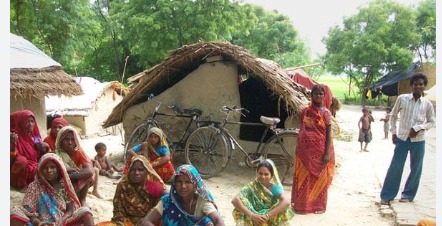
In a striking example of poor planning meeting good intentions, several Anganwadi centers in Madhya Pradesh have recently received LED television sets under a digital learning initiative — but many of these centers do not have electricity connections. The move, though well-meaning, highlights the gaps between policy vision and on-ground execution in India’s rural welfare programs.
The Initiative: Digital Push for Early Education
As part of the state’s plan to modernize early childhood education, the Women and Child Development (WCD) Department distributed LED TVs to thousands of Anganwadis.
The aim was to:
Introduce digital learning content for children aged 3–6.
Improve teaching outcomes through visual tools.
Support nutrition and awareness programs with video-based content.
However, a ground reality check paints a different picture — many of these Anganwadis lack basic infrastructure, making the technology upgrade practically unusable.
Ground Reality: Screens Without Power
Reports from various districts such as Chhindwara, Rewa, and Balaghat reveal that a significant number of Anganwadis have no power supply.
“The TV is here, but we don’t have electricity. It’s just lying in the corner,” said an Anganwadi worker in Rewa.
In some areas, workers have resorted to borrowing electricity from nearby homes or using battery inverters to show educational videos. But for many, the TVs remain boxed or idle.
Digital Divide in Rural Welfare
The issue underscores a broader challenge: technology-led welfare programs often outpace basic infrastructure development.
Key Challenges Identified:
No Electricity: Many centers lack power or stable supply.
No Internet Access: Digital learning content often requires online updates.
Staff Training Gaps: Anganwadi workers need training to use digital tools effectively.
Maintenance Issues: Damaged TVs or cables remain unrepaired due to low funding.
This mismatch between policy design and implementation capability exposes how well-intended reforms can falter without groundwork.
Government Response
Officials from the WCD Department have stated that efforts are underway to provide electricity connections to all centers.
“We are aware of the issue. Electrification is being prioritized for Anganwadis under the state’s rural development program,” said a senior WCD official.
Additionally, the department plans to explore solar-powered solutions in off-grid areas to ensure the continuity of digital learning.
Expert Views: Reform vs. Readiness
Education experts argue that digital infrastructure should follow basic readiness, not precede it.
“Providing digital tools without electricity is like building roads without bridges,” remarked a policy analyst from Bhopal.
They emphasize that rural education policies need a layered approach — beginning with infrastructure, followed by technology integration and staff training.
The Bigger Picture: Learning from the LED Lesson
While the LED TV distribution program highlights the state’s commitment to modernizing Anganwadis, it also signals the urgent need for:
Infrastructure audits before rolling out technology.
Integrated planning across departments (Education, Power, and Rural Development).
Community involvement in implementation and monitoring.
Voices from the Field
Some Anganwadi workers have turned the challenge into an opportunity:
In a few villages, workers use solar lamps or power banks to run educational content occasionally.
Others use the TV screens as display boards for teaching charts and visual aids, keeping the spirit of learning alive despite challenges.
These local solutions show the resilience of India’s grassroots educators, even when systems fail to fully support them.
FAQ
1. Why were LED TVs distributed to Anganwadis?
To promote digital learning and early childhood education through visual aids.
2. Why are the TVs not being used?
Many Anganwadis lack electricity connections or have unreliable power supply.
3. What is the government doing about it?
The state is planning electrification drives and exploring solar options for rural Anganwadis.
4. How many Anganwadis are affected?
Reports suggest hundreds of centers across multiple districts face this issue.
5. Can the TVs be used offline?
Yes, some content can be preloaded via USB drives, but regular updates require electricity and internet.
Published on : 7th October
Published by : SMITA
www.vizzve.com || www.vizzveservices.com
Follow us on social media: Facebook || Linkedin || Instagram
🛡 Powered by Vizzve Financial
RBI-Registered Loan Partner | 10 Lakh+ Customers | ₹600 Cr+ Disbursed
https://play.google.com/store/apps/details?id=com.vizzve_micro_seva&pcampaignid=web_share