

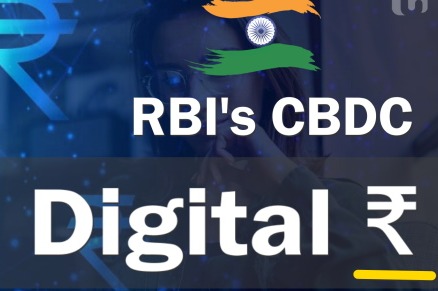
The Digital Rupee, India’s central bank digital currency (CBDC), is poised to revolutionize the way Indians transact. With growing digital adoption, the CBDC aims to complement cash, enhance financial inclusion, and streamline payments, offering faster and more secure alternatives to traditional banking.
What is the Digital Rupee (CBDC)?
A legal tender issued by the Reserve Bank of India (RBI) in digital form.
Functions like cash but exists electronically, stored in digital wallets.
Can be used for peer-to-peer transfers, merchant payments, and government disbursals.
Potential Benefits of Digital Rupee
Faster & Secure Transactions
Real-time transfers without relying on traditional banking infrastructure.
Reduced fraud risk with encrypted digital ledgers.
Financial Inclusion
People without bank accounts can hold and transact digitally via wallets.
Government subsidies and welfare payments can be delivered directly to digital wallets.
Reduced Cash Dependence
Lowers printing and handling costs for physical currency.
Encourages traceable transactions, reducing black-money circulation.
Cost-Effective Cross-Border Payments
Could simplify remittances and international trade payments, reducing transaction fees.
Programmable Payments & Smart Contracts
Enables conditional payments (e.g., government schemes released only upon verification).
Potential integration with blockchain for transparency.
Challenges to Adoption
Digital Literacy & Infrastructure – Ensuring access for rural and semi-urban populations.
Cybersecurity Risks – Protecting wallets and networks from hacking.
Integration with Existing Payment Systems – Banks, UPI, and wallets must adapt seamlessly.
Regulatory Clarity – Legal frameworks for digital transactions and cross-border use.
Impact on Everyday Transactions
Retail Payments: Pay at shops via QR codes or digital wallets.
Peer-to-Peer Transfers: Send money instantly to friends and family without bank delays.
Government Disbursals: Direct subsidies and welfare payments digitally traceable and faster.
E-Commerce & Digital Services: Reduce dependency on cards and UPI for online payments.
Conclusion
The Digital Rupee (CBDC) promises to transform everyday transactions, making payments faster, more secure, and inclusive. While challenges like digital literacy and cybersecurity need attention, adoption of the digital rupee could reshape India’s payment ecosystem and accelerate the shift toward a cashless economy.
FAQs
Q1: What is the Digital Rupee (CBDC)?
A central bank-issued digital currency that works like cash but in electronic form.
Q2: How will it impact retail payments?
Instant payments via digital wallets or QR codes, reducing cash handling.
Q3: Can people without bank accounts use it?
Yes, digital wallets can allow unbanked populations to transact digitally.
Q4: How does it help in financial inclusion?
Enables direct subsidies, welfare payments, and access to digital financial services.
Q5: Are there security risks?
While encryption and RBI oversight reduce risk, cybersecurity remains critical.
Published on : 25th September
Published by : SMITA
www.vizzve.com || www.vizzveservices.com
Follow us on social media: Facebook || Linkedin || Instagram
🛡 Powered by Vizzve Financial
RBI-Registered Loan Partner | 10 Lakh+ Customers | ₹600 Cr+ Disbursed
https://play.google.com/store/apps/details?id=com.vizzve_micro_seva&pcampaignid=web_share